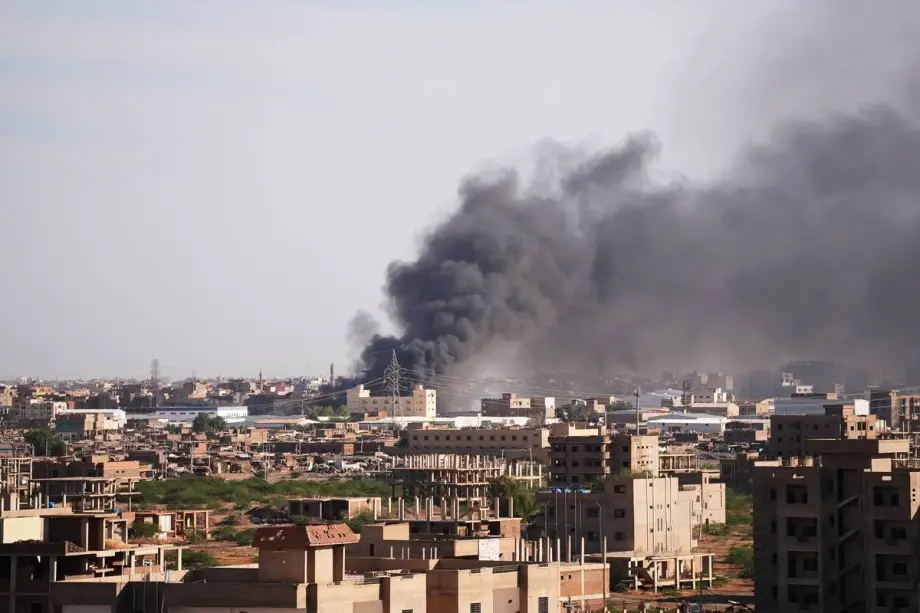
Sudan’s deepening conflict is pushing the country’s energy sector to the brink with
widespread power outages, fuel shortages and soaring costs compounding the
suffering of millions already affected by war.
Nearly two years of fighting between the Sudanese Armed Forces and the Rapid
Support Forces have severely disrupted oil production and electricity supply across
the country. Key oil fields have been shut down, refineries damaged or forced to
close and energy workers displaced as insecurity spreads around strategic
installations.
The collapse of domestic fuel production has left Sudan increasingly dependent on
expensive imports that remain difficult to secure amid instability and weakened state
finances. As a result, diesel, petrol and cooking gas have become scarce, paralysing
transport, small businesses and essential services including hospitals and water
systems that rely on generators.
Electricity shortages, long a challenge in Sudan, have intensified sharply since the
outbreak of the conflict. Prolonged blackouts are now common in major cities and
towns, leaving households without lighting, refrigeration or reliable communication,
while industries operate at a fraction of their capacity or shut down altogether.
The energy crisis is also straining government revenue, as oil exports once a critical
source of income have dwindled. Analysts warn that without functioning energy
infrastructure, efforts to stabilise the economy or support humanitarian response will
remain severely constrained.
For ordinary Sudanese, the impact is immediate and personal. Families face rising
living costs as fuel prices climb while access to basic services continues to erode.
Many say the energy shortages are making daily survival increasingly difficult,
especially in urban areas where reliance on electricity and fuel is high.
Experts caution that unless the fighting subsides and damaged infrastructure is
repaired, Sudan’s energy sector may suffer long term setbacks that outlast the war
itself. As the conflict drags on, the country’s power crisis stands as another stark
reminder of how sustained violence can dismantle the foundations of everyday life.