By Johannah Nantongo
KAMPALA, Uganda — Two years ago, Jessica Muteteri’s beauty salon was struggling to stay afloat. Mounting rent arrears, rising utility bills and the pressure of paying staff had pushed her business to the brink. What once felt like an exciting entrepreneurial journey had become a daily battle to survive.
Relief came in the form of a Shs5 million loan from Equity Bank Uganda, secured through a friend and structured for repayment within a year. Muteteri says the funding helped her stabilize operations, restock supplies and regain control of her finances — a turning point that reshaped her outlook.
So when she later received an invitation to attend a seminar titled Grow Your Salon Business with Equity Bank, she didn’t hesitate. She confirmed her attendance and encouraged other salon operators from Galilaya Arcade and nearby areas in Kampala to join.
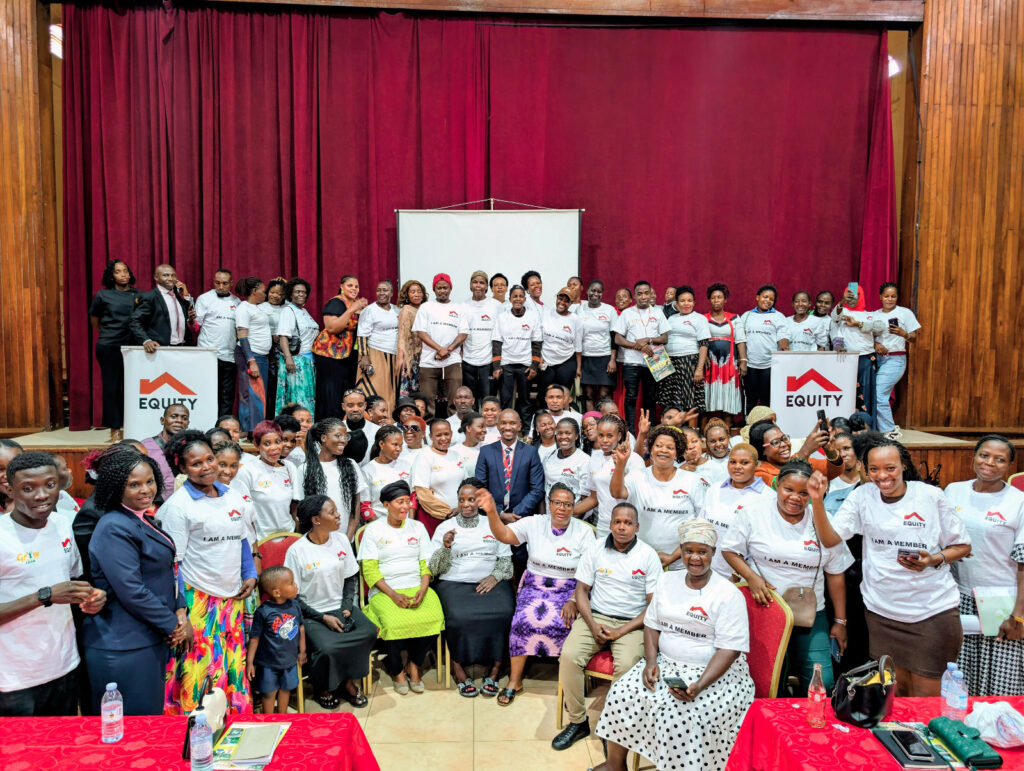
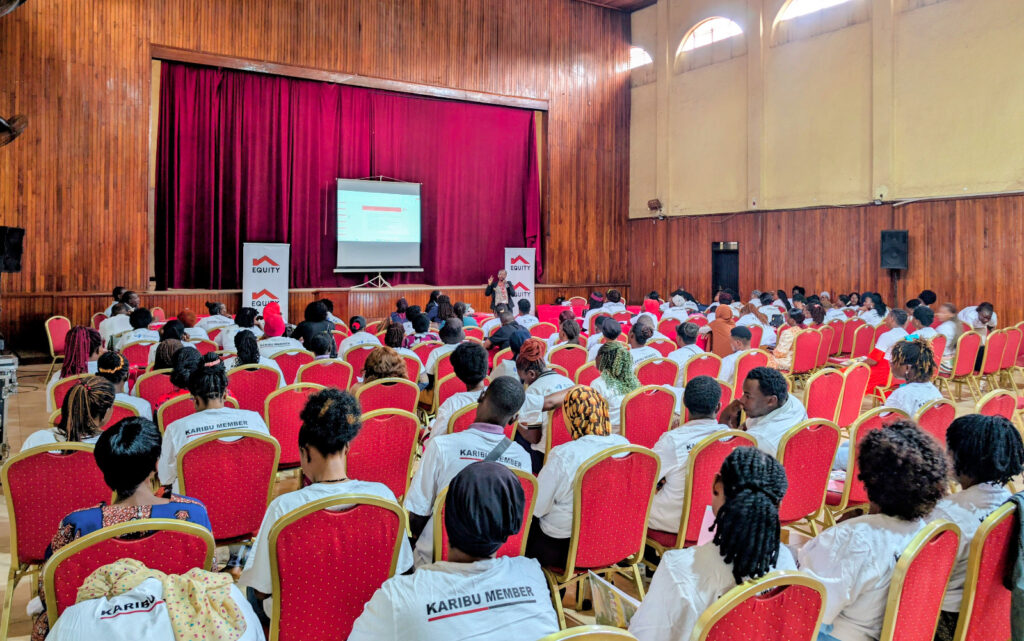
The workshop, organized by the bank’s Commercial Department under its Micro segment, took place at the Pope Paul Memorial Centre. More than 200 salon owners — including stylists, barbers and beauticians — gathered to explore strategies for strengthening and expanding their businesses.
Building Skills Beyond Styling
Equity Bank says its goal is to support both personal and enterprise growth. Throughout the session, participants engaged in discussions on record-keeping, disciplined saving, group lending structures and tailored financial products. Among the highlighted offerings was Equi-Mama, a financing solution targeting women-led enterprises.
The initiative was delivered in partnership with the Federation of Uganda Salons and Beauty Professionals Association (FUSPRO), a national association representing salon professionals. Established in 2016, the federation operates in most districts across Uganda and brings together thousands of salon owners and trainers.
FUSPRO Chief Executive Officer Celestine Kamanyire addressed what he described as persistent gaps in the sector — particularly in financial literacy, business management and professional standards. He emphasized the importance of equipping salon operators with knowledge that enables them to formalize and scale their enterprises.
Access to Capital and Formalization
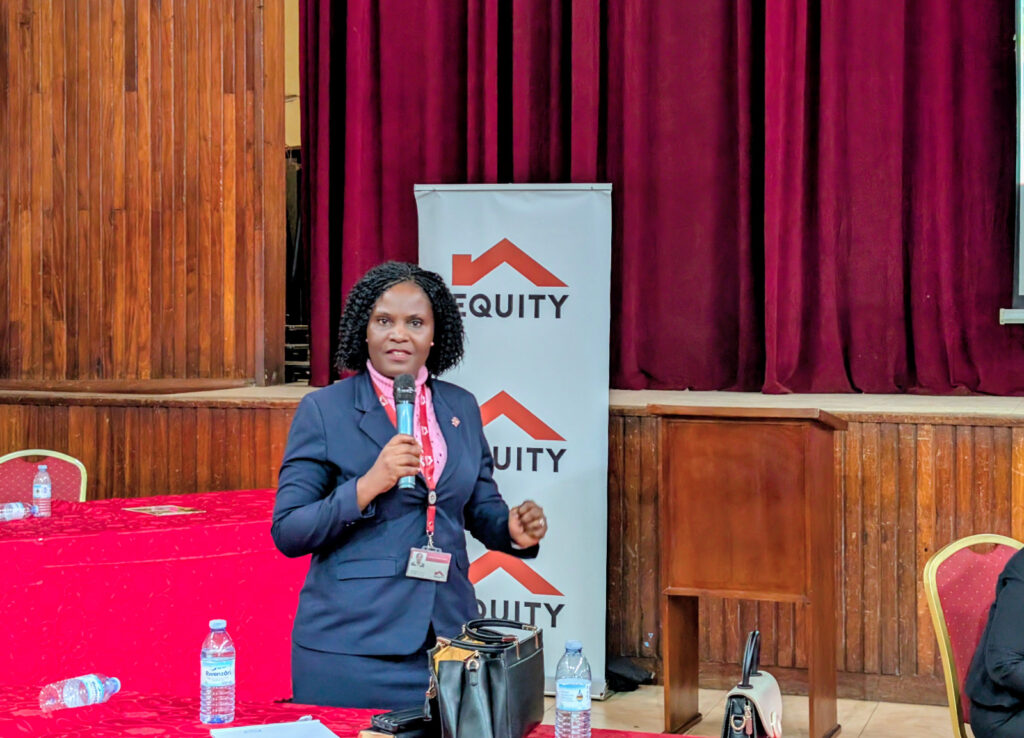
Bob Paul Lusembo, Head of Micro Business at Equity Bank, offered practical guidance on building sustainable businesses. He encouraged attendees to adopt daily saving habits, maintain accurate records and explore structured loan products responsibly.
For Esther Namutebi, a salon owner facing frequent power outages, the seminar provided clarity on how to finance improvements such as purchasing a generator and upgrading equipment. She said the training shifted her understanding from simply accessing credit to using it strategically and ensuring timely repayment.
A key theme throughout the workshop was business formalization. Participants were advised on registering their enterprises, obtaining Tax Identification Numbers and opening dedicated business accounts. Compliance with regulatory bodies such as the Uganda Registration Services Bureau was highlighted as essential for credibility and long-term growth.
A Sector Ready for Change
For Muteteri, whose salon — Galicious Beauty Parlor — has regained stability, the progress feels tangible. She now views her business as competitive and growth-ready rather than vulnerable.
Organizers say similar workshops are planned for Western, Eastern and Northern Uganda, aiming to replicate the enthusiasm seen in Kampala.
The seminar ultimately served as more than a financial literacy session. It was a confidence boost for a sector largely driven by women and youth entrepreneurs operating in the informal economy. If momentum continues, Uganda’s salon industry could be entering a new chapter — shaped not only by creativity and skill, but also by stronger business foundations and improved access to finance.