by Buwule Joseph Mary
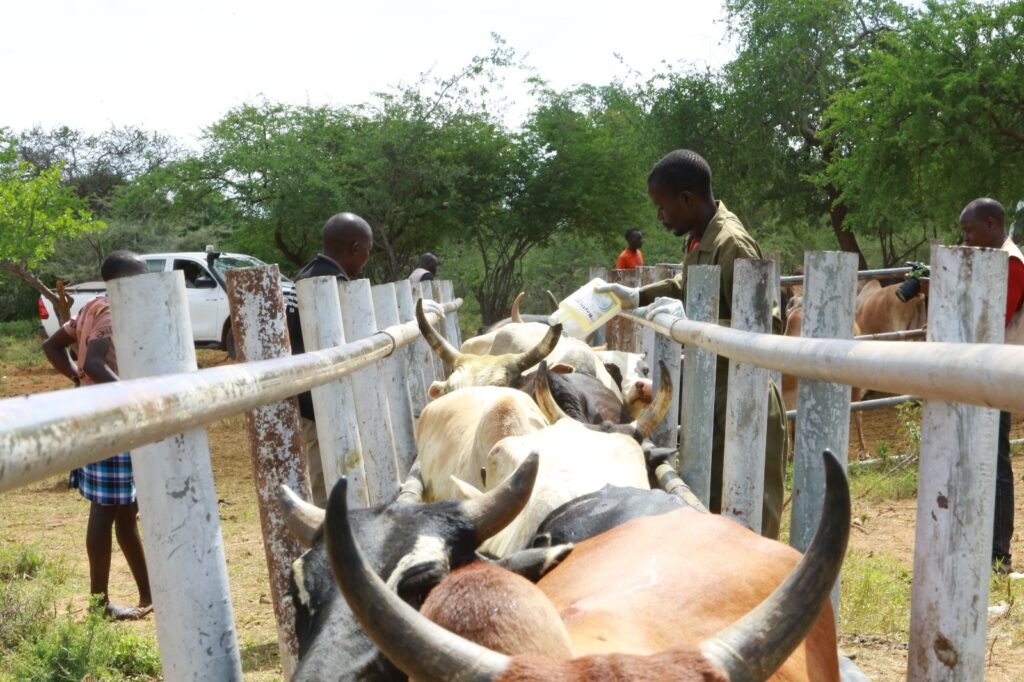
A large-scale livestock vaccination campaign currently underway in the Karamoja sub-region is gathering significant momentum, offering renewed hope to pastoral communities whose livelihoods depend heavily on healthy and productive animals.
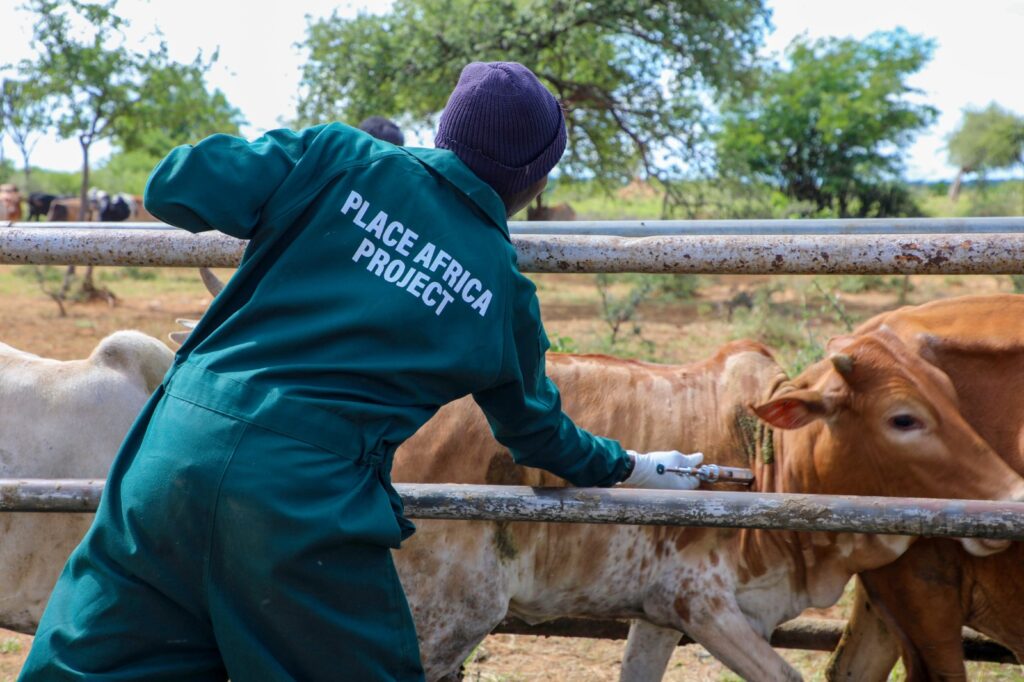
The month-long exercise, spearheaded by the Ministry of Agriculture, Animal Industry and Fisheries (MAAIF), is being implemented with strong technical and logistical support from the Food and Agriculture Organization (FAO) and funding from the European Union under the PLACE programme. The initiative has already reached tens of thousands of animals across the region.
This week alone, veterinary teams carried out a major vaccination drive in Loroo Sub-county in Amudat District, where more than 4,500 goats and sheep were inoculated in a single day. The exercise drew large numbers of livestock keepers, many of whom trekked long distances across the semi-arid terrain to access the lifesaving service.
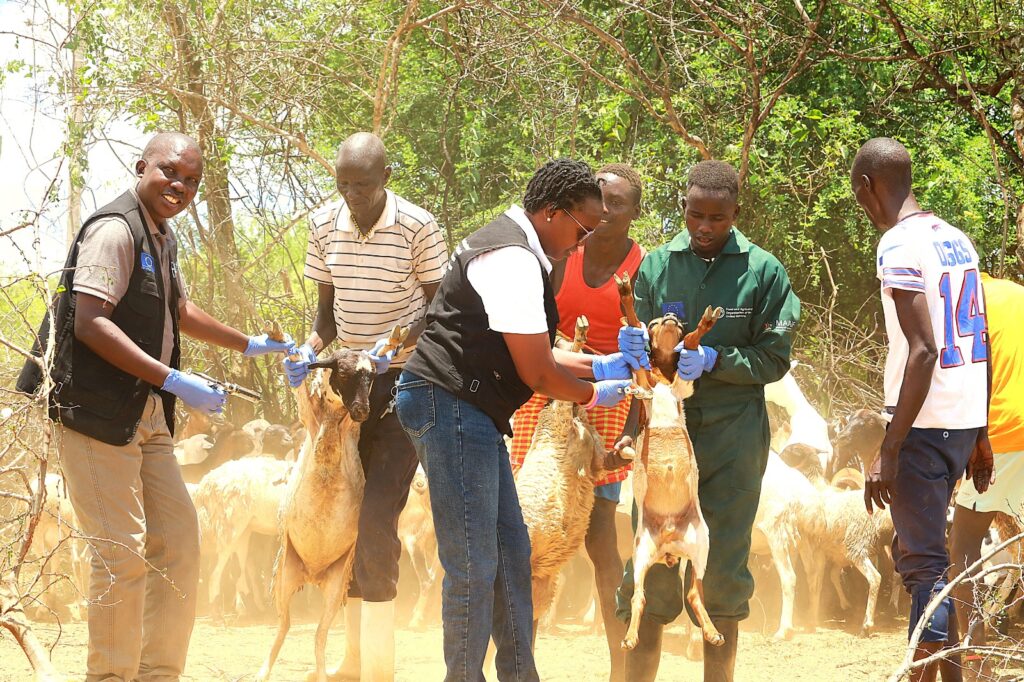
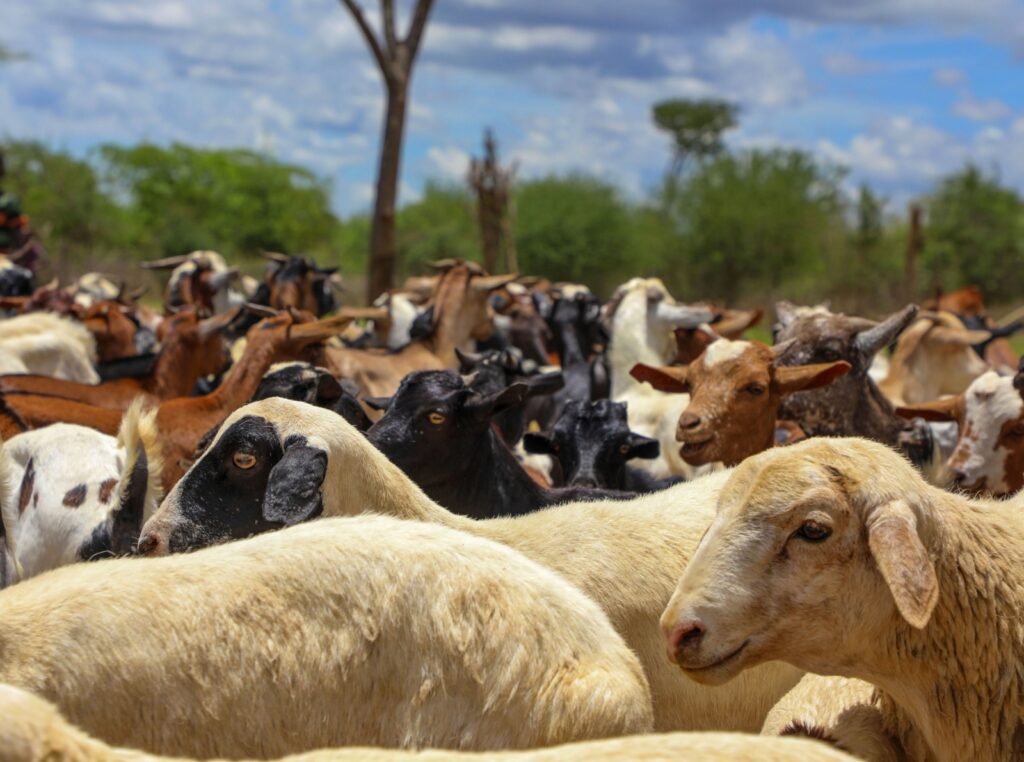
For Karamoja communities, livestock is far more than a source of food and income—it is a symbol of wealth, cultural identity, and social security. Protecting animal health, therefore, directly safeguards household resilience and community stability.
Targeting Deadly Livestock Diseases
According to MAAIF officials, the campaign is specifically designed to control and prevent the spread of transboundary animal diseases, which remain a persistent threat in Karamoja due to nomadic pastoralism and frequent cross-border livestock movement.
Among the key diseases being targeted are:
• Peste des Petits Ruminants (PPR), a highly contagious viral disease affecting goats and sheep;
• Contagious Bovine Pleuropneumonia (CBPP), which affects cattle;
• Contagious Caprine Pleuropneumonia (CCPP), a severe respiratory disease in goats.
These diseases have historically caused devastating losses in the region—wiping out herds, reducing productivity, and pushing already vulnerable households deeper into poverty.
FAO’s Critical Support
The Food and Agriculture Organization has played a central role in supporting the Government of Uganda through technical guidance, strengthening disease surveillance systems, training veterinary personnel, and improving vaccine delivery mechanisms.
Dr. Besong Wellington, Team Leader of the Emergency Centre for Transboundary Animal Diseases at FAO Uganda, led a monitoring mission in Moroto District and Amudat to assess the effectiveness of the campaign.
“This is a risk-based vaccination campaign targeting the most vulnerable and high-risk areas,” he explained. “Livestock are central to livelihoods here. When disease strikes, it directly affects household income, nutrition, and resilience.”
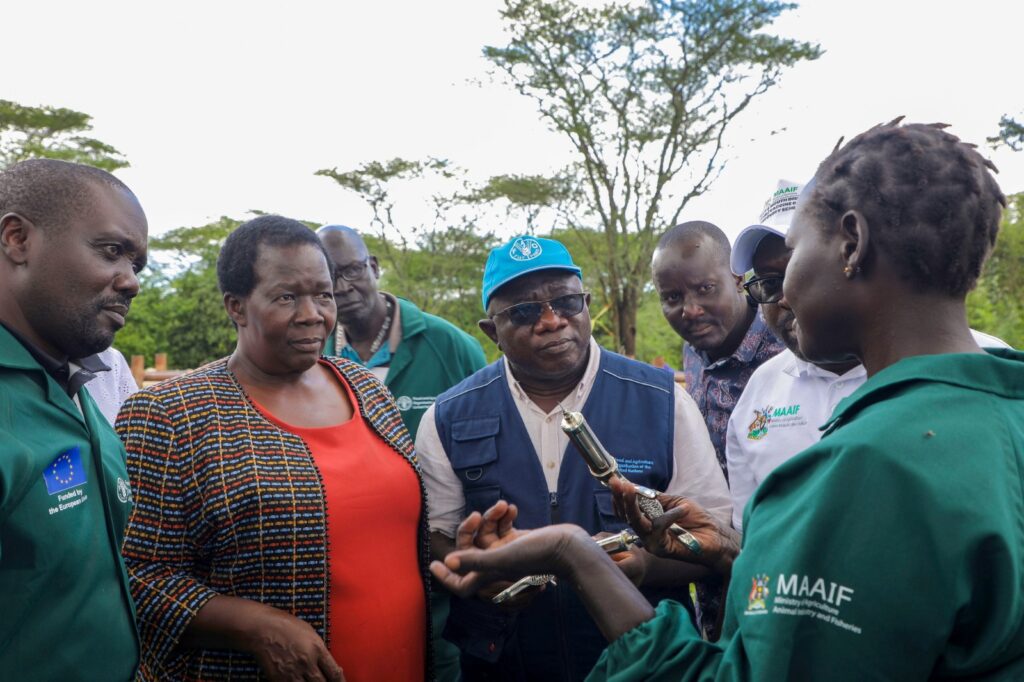
He emphasized that the success of such a large-scale intervention depends on precision and coordination, particularly in maintaining vaccine quality through an effective cold chain system.
“We are assessing whether vaccines are properly stored, transported, and administered, as well as how data is being captured in real time,” he added.
Technology and Disease Surveillance
To enhance disease control, FAO has introduced digital surveillance tools. Community animal health workers are now using mobile applications to report disease outbreaks in real time, enabling faster response and informed decision-making.
“This system allows early detection and rapid containment of diseases,” Dr. Besong noted. “Just as human pandemics can spread rapidly, animal diseases can also cross borders quickly if not controlled early.”
Cross-Border Livestock Movement a Key Challenge
One of the major challenges highlighted during the campaign is the high mobility of livestock across borders. Animals from neighboring Kenya and South Sudan frequently move into Karamoja in search of pasture and water, often exceeding initial vaccination projections.
“This is why a regional approach is essential,” Dr. Besong said. “Disease control efforts must go beyond national borders.”
The PLACE programme supports coordinated interventions across the Horn of Africa, ensuring that livestock along shared corridors are protected.
Progress and Coverage
Preliminary findings indicate that vaccination coverage in high-risk areas has exceeded 75 percent, particularly in hotspots such as water points and grazing corridors where animals congregate.
However, officials caution that due to the fluid nature of livestock populations in Karamoja, the actual coverage may be lower than estimated. The influx of animals from neighboring regions continues to expand the target population.
The campaign uses a risk-based approach, prioritizing high-exposure zones rather than attempting blanket vaccination.
District-Level Impact
In Amudat District, Dr. Daniel Esoku, the District Surveillance Focal Point, underscored the severity of PPR, noting that it can cause mortality rates of up to 70 percent if left unchecked.
“Vaccination remains the most effective way to protect animals, especially young and vulnerable stock,” he said.
Nationally, Uganda has received over 275,000 doses of the PPR vaccine, with the majority already deployed in targeted high-risk areas.
Despite progress, several operational challenges persist:
• Difficult terrain and poor road networks;
• Rainfall disruptions affecting field operations;
• Limited veterinary workforce;
• Occasional vaccine hesitancy among some farmers.
Government Commitment and Regional Cooperation
Dr. Anna Rose Ademun Okurut, Commissioner for Animal Health at MAAIF, emphasized the importance of regional collaboration in tackling livestock diseases.
“Uganda shares borders, grazing lands, and water sources with neighboring countries. Animals and communities move freely—and so do diseases,” she said.
She noted that the transboundary animal disease programme, supported by FAO and regional partners, is addressing shared disease risks across Uganda, Kenya, and South Sudan.
“These communities share pastures and water sources. Their animals mix, and therefore diseases spread easily. That is why we agreed to work together as countries to address challenges in this region collectively,” she added.
Dr. Okurut explained that achieving approximately 80 percent vaccination coverage is sufficient to establish herd immunity.
“In epidemiological terms, 80 percent coverage significantly reduces disease transmission. Even if a disease enters a community, the likelihood of it spreading widely is minimal because most animals are already protected,” she said.
She further noted that official livestock population figures may underestimate the actual numbers in Karamoja due to seasonal migration.
“We are working with Uganda Bureau of Statistics estimates, but the population here is fluid and increasing. Animals migrate into these fertile grazing areas, which affects our planning. We will only get an accurate picture after the full vaccination exercise,” she explained.
Farmers Welcome the Initiative
Local farmers have welcomed the campaign, describing it as timely and lifesaving.
Mr. Loitangora Kizito Siya, a farmer in Amudat, recounted his experience with past outbreaks.
“In just one month, I lost 11 goats,” he said. “This vaccination is very important, but we need it to reach all animals.”
Amudat District Chairperson Joseph Langole Lobot also praised the intervention for being responsive to community realities.
“This programme understands our way of life—our mobility, our challenges, and our needs. It is a well-designed intervention,” he noted.
Despite logistical and environmental challenges, stakeholders remain optimistic about the campaign’s long-term impact. With continued support from the Food and Agriculture Organization, the European Union, and the Government of Uganda, significant progress is being made toward controlling transboundary animal diseases in Karamoja.
A second phase of the vaccination campaign is expected later in the year, building on current gains and accelerating Uganda’s goal of eradicating PPR by 2030.
As the campaign continues to roll out, it stands as a critical step toward strengthening livestock systems, improving food security, and building resilience among some of Uganda’s most vulnerable pastoral communities.