By Joseph Mary Buwule
Kampala, Uganda —
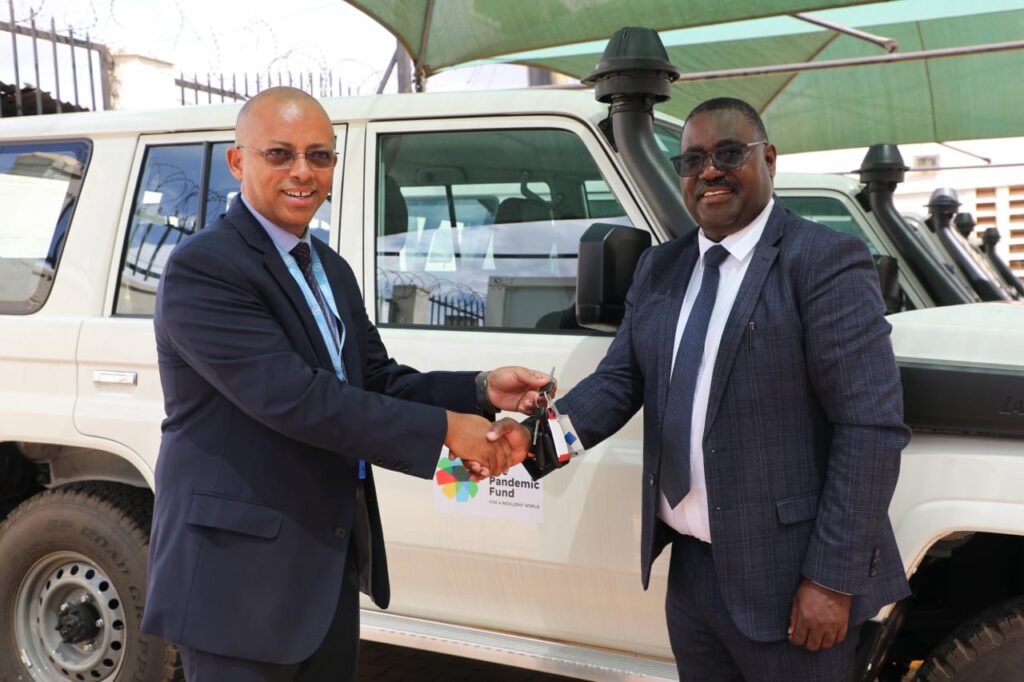
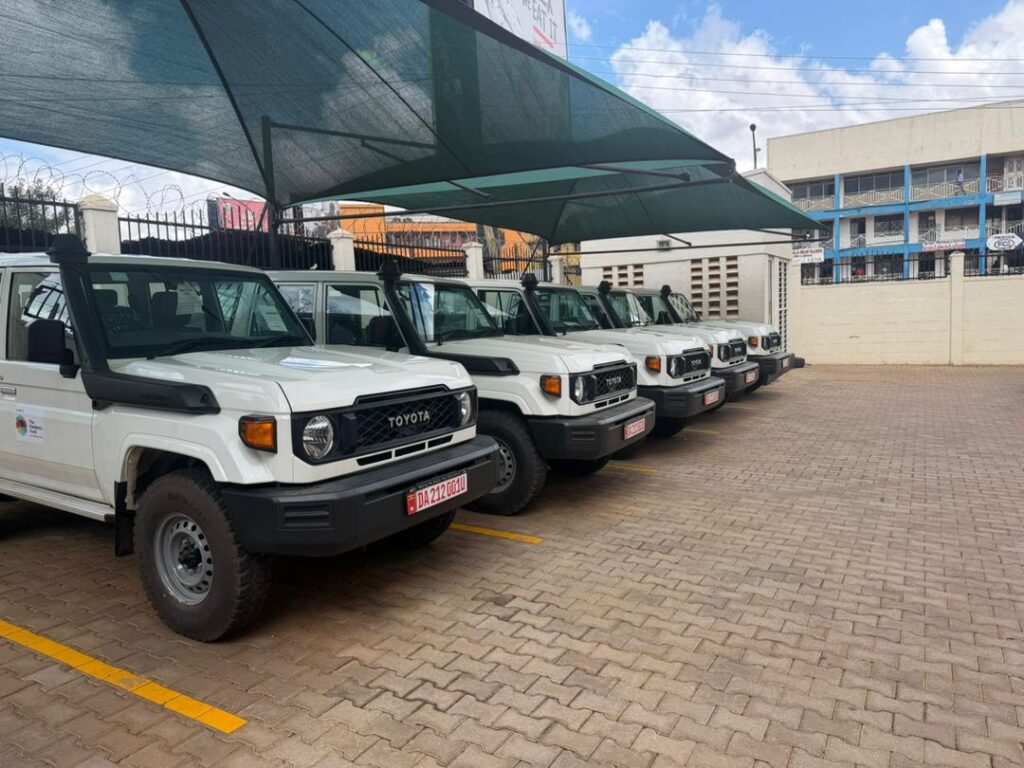
The Food and Agriculture Organization of the United Nations (FAO) has handed over eight field vehicles to the Greater Virunga Transboundary Collaboration (GVTC) and Gorilla Doctors, in a significant move aimed at strengthening frontline disease surveillance and response in the Greater Virunga Landscape.
Stretching across Uganda, Rwanda, and the Democratic Republic of the Congo, the Greater Virunga Landscape is globally recognized for its exceptional biodiversity. However, this unique ecosystem—where humans, livestock, and wildlife frequently interact—also presents heightened risks for zoonotic disease transmission.
The newly delivered vehicles are expected to significantly improve mobility for field teams operating in remote forests, farming zones, and border communities. This enhanced capacity will enable quicker detection of disease outbreaks, faster response times, and stronger cross-border coordination in managing health threats at their source.
The support comes under the Regional One Health Pandemic Prevention, Preparedness and Response project, funded by the World Bank Pandemic Fund and implemented by FAO in collaboration with the World Health Organization (WHO) and UNICEF.
Dr. Andrew G. Seguya, Executive Secretary of GVTC, described the handover as timely and strategic in strengthening regional preparedness. He noted that the additional logistical support enhances operational capacity to respond to zoonotic disease threats while reinforcing cross-border collaboration under the One Health framework. According to him, more than 3,000 samples have already been collected through the project, signaling strong progress in building robust surveillance systems across the region.
Dr. Edson Katushabe emphasized that improved field mobility will boost the timeliness and efficiency of surveillance and response activities, particularly in hard-to-reach and underserved communities.
Speaking on behalf of UNICEF, Stefan Lawson highlighted the importance of reaching vulnerable populations, noting that the vehicles will support last-mile delivery of critical services, including early warning systems and rapid response interventions.
The initiative has also been welcomed by conservation and health partners operating in the landscape, including the World Wide Fund for Nature (WWF), the International Gorilla Conservation Programme, and the International Union for Conservation of Nature (IUCN), all of whom play key roles in safeguarding both biodiversity and public health in the region.
FAO Representative in Uganda, Ezana Kassa, underscored the importance of partnerships in addressing complex ecosystem challenges. He noted that the initiative demonstrates the One Health approach in action—integrating human, animal, and environmental health to reduce the risk of future pandemics while protecting livelihoods and biodiversity.
About the Pandemic Fund
The Strengthening One Health Preparedness, Prevention, and Response in the Greater Virunga Landscape (SOHGVL) project is a regional initiative bringing together Uganda, Rwanda, and the Democratic Republic of the Congo to reduce the risk of future pandemics at their source. Funded by the World Bank’s Pandemic Fund and jointly implemented by FAO, WHO, and UNICEF, the project focuses on one of the world’s most biodiverse yet vulnerable ecosystems.
With a budget of USD 24.5 million over 31 months, the initiative is strengthening early warning systems, enhancing disease surveillance, and building workforce capacity across human, animal, and environmental health sectors. It also promotes cross-border coordination and community engagement to detect and respond to health threats before they escalate into full-scale outbreaks.