By Joseph Mary Buwule
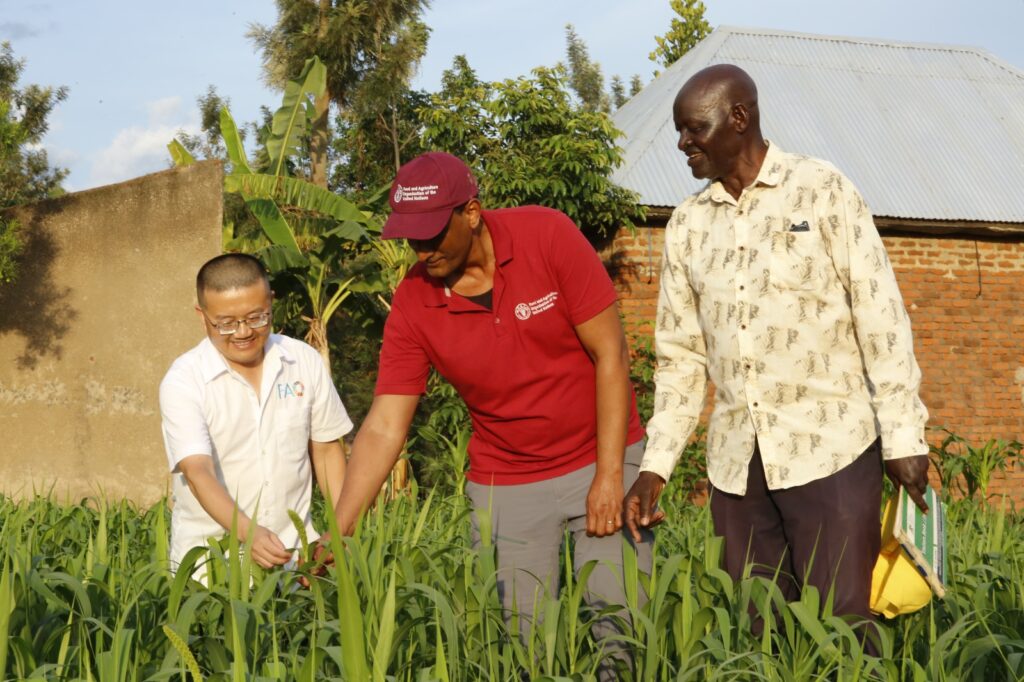
BUTALEJA UGANDA — A joint review mission under the Food and Agriculture Organization of the United Nations (FAO) Uganda–China South-South Cooperation Project has highlighted remarkable progress in boosting agricultural productivity and farmer incomes, with a standout success story emerging from eastern Uganda’s Butaleja District.
During a field visit to Butaleja, stakeholders witnessed firsthand how the introduction of foxtail millet is transforming livelihoods, with farmers reporting up to threefold increases in yields compared to traditional varieties. The initiative is part of a broader effort under the FAO–China partnership to strengthen food security, promote climate-resilient crops, and enhance agricultural value chains across Uganda.
Leading the technical support on the ground is Chinese agronomist Wei Runwu, a foxtail millet expert who has been instrumental in training local farmers under the South-South Cooperation framework. Through hands-on demonstrations, farmer field schools, and continuous extension support, Wei and his team have equipped farmers with modern agronomic practices tailored to local conditions.
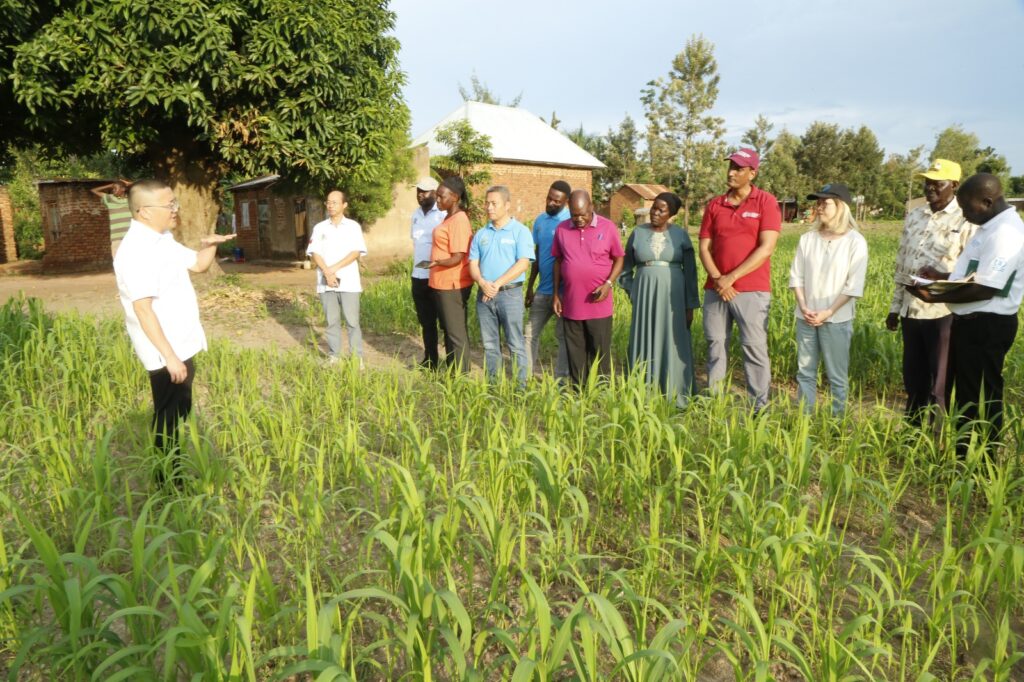
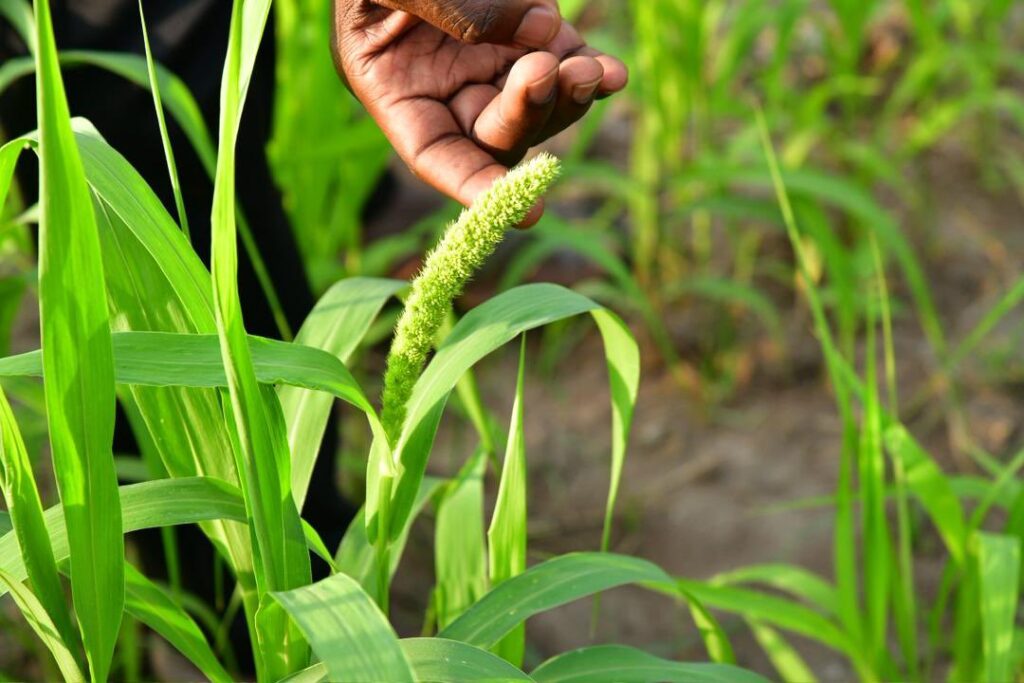
Wei described foxtail millet as a “game-changing crop” with multiple benefits for both farmers and consumers. He emphasized that the grain is highly nutritious, gluten-free, and rich in protein, fiber, iron, and antioxidants. Widely cultivated in Asia and parts of Africa for thousands of years, foxtail millet is increasingly gaining attention as a healthy alternative to staples like rice and maize.
“It is not only a food crop but a solution to many challenges farmers face today,” Wei noted. “Foxtail millet grows quickly, requires less water, and performs well even under drought conditions. This makes it ideal for regions affected by climate variability.” He encouraged Ugandan farmers to embrace the improved variety introduced through the project, noting its potential to improve both household nutrition and incomes.
Local farmers are already reaping the benefits. Sagura Robert, a farmer in Butaleja where the crop was piloted, shared a compelling testimony of transformation. Before joining the project, he relied on traditional millet varieties that required significant investment but yielded poor returns.
“Farming local millet was costly, and the harvest was always disappointing,” Sagura explained. “But this new foxtail millet is like a miracle crop. Since I started growing it, my yields have tripled.”
He added that the increased productivity has translated into tangible economic gains for his household. “Now every season, I earn a reasonable income. I am grateful to the South-South Cooperation project for introducing this initiative to us,” he said.
Beyond production, the review mission also assessed progress on establishing mechanization facilities aimed at boosting value addition for both rice and millet. The planned facilities are expected to support post-harvest handling, processing, and packaging—key steps in reducing losses and improving market access for farmers.
Officials noted that value addition remains a critical gap in Uganda’s agricultural sector, with many farmers losing potential income due to limited processing capacity. The new mechanization sites are therefore seen as a strategic investment to enhance competitiveness and unlock new market opportunities, both locally and internationally.
The FAO Uganda–China South-South Cooperation Project continues to serve as a model for knowledge exchange, bringing together technical expertise from China and local experience from Ugandan farmers. By promoting resilient crops like foxtail millet and strengthening value chains, the initiative is contributing to Uganda’s broader goals of agricultural transformation and sustainable development.
As the joint review mission concluded its visit to Butaleja, one message stood out clearly: with the right knowledge, partnerships, and innovations, smallholder farmers can significantly increase productivity and improve their livelihoods—one grain at a time.