
By Joseph Kiggundu
President Museveni has pledged government support towards local manufacturers of wooden crockery .
This follows a scientific assessment that cleared the products as safe for food use, in a move aimed at promoting indigenous materials and reducing reliance on imported alternatives.
In a letter dated March 27, 2026, addressed to Matongo Wood Works Company in Kampala, Museveni said findings from a specialised Chemical, Biological, Radiological and Nuclear (CBRN) analysis had revealed that wooden containers made from mahogany and albizia do not release toxic substances into food.
“I have received the report… regarding the safety of the wooden containers for food. The report clears mahogany and albizia of any toxic elements leaching into foods unlike ceramics,” Museveni wrote.
He added that the government would back the initiative financially, instructing the State House Comptroller to “fully fund” the company, arguing that Uganda should move away from what he described as “the colonial madness of using breakables.”
The directive signals a potential policy shift toward reviving traditional utensils, which the president framed as both safer and culturally rooted. Museveni recalled widespread historical use of wooden and clay items such as milk pots, bowls, and cooking vessels across Ugandan communities.
“I was using wooden and clay containers… The wooden containers last a very long time. I still have my grandfather’s milk pot,” he said.
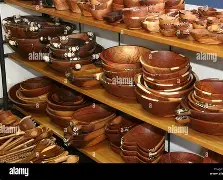
According to the accompanying report summary, the study conducted a toxicological and usability assessment of handcrafted wooden crockery under simulated real-life conditions, including exposure to hot and cold liquids, acidic and alkaline substances, and extended usage periods.
Laboratory testing using advanced methods such as GC-MS/MS and X-ray fluorescence found no toxic compounds of CBRN relevance in either the utensils or food served on them. The analysis also confirmed the absence of heavy metals.
Researchers noted that while albizia wood may release some natural color into liquid foods, the leached substances were found to be non-toxic. Mahogany, by contrast, showed no color transfer, making it particularly suitable for serving liquids.
The report recommended proper handling practices, including avoiding prolonged soaking, using mild detergents for cleaning, and periodic oiling with food-grade oils such as olive or linseed oil to maintain durability and hygiene.
Museveni said copies of the findings had been shared with the Uganda National Bureau of Standards and the Ministry of Health for further guidance and potential standardisation.
The push comes amid growing interest in sustainable and locally sourced materials, with policymakers increasingly promoting value addition and import substitution as part of Uganda’s industrialisation strategy.
If implemented at full scale, the initiative could boost small-scale woodcraft industries, create jobs, and reshape consumer habits in favour of durable, reusable, and culturally familiar products.