KAMPALA.
Ugandans need to scale up voluntary blood donation amid continued shortages that health officials say are costing lives in hospitals across the country.
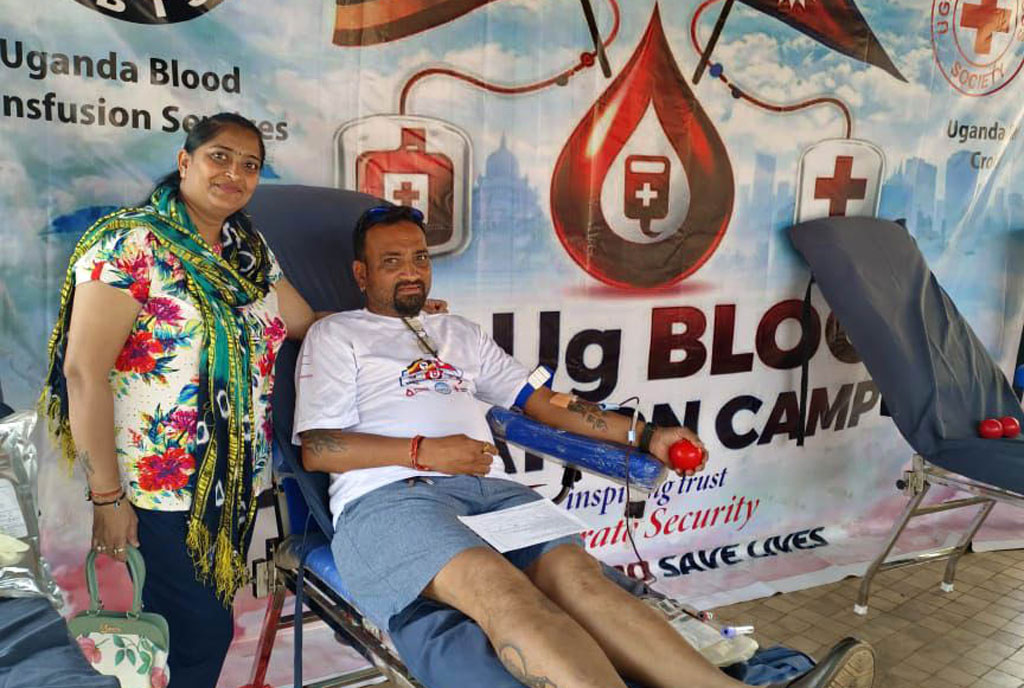
The call was highlighted during a blood donation camp held in Kampala, organised by the Non-Resident Nepali Association Uganda in partnership with the Uganda Blood Transfusion Services (UBTS), where more than 80 units of blood were collected at Acacia Mall in Kamwokya.
The event formed part of activities marking the birthday of Kabaka Ronald Muwenda Mutebi II, with organisers saying the drive was inspired by his repeated appeals for increased voluntary blood donation, particularly to support expectant mothers and patients in urgent need of transfusions.
The Honorary Consul General of Nepal to Uganda and businessman Sudhir Ruparelia, who also donated blood at the event, underscored the urgency of addressing shortages in the national blood bank.
“Uganda blood bank is always short of blood, hence the need for every Ugandan to donate blood so that we can save lives that need it most,” Mr Ruparelia said
He added; “The blood you give is a lifeline in emergency situations and for people who need long-term treatments.”
Health experts and organisers noted that blood remains critical in managing emergencies, surgical procedures, cancer treatment, chronic illnesses, sickle cell disease, and trauma cases, particularly among children and pregnant women.
According to the World Health Organization (WHO), at least one percent of a country’s population should donate blood annually. Uganda’s target stands at about 300,000 units per year, though the national requirement is estimated at around 400,000 units.
Despite these targets, Uganda continues to face shortages, with health experts warning that nearly 30 mothers and children die daily due to complications linked to childbirth, severe anaemia, and lack of timely transfusions.
Organisers said the Kampala blood drive was a demonstration of solidarity and community action to help bridge the gap in supply.
Mr Samuel Davis Wante commended participants and linked the initiative to the Kabaka’s long-standing advocacy for life-saving health campaigns.
“The Kabaka has always encouraged life-saving initiatives like blood donation, especially to protect mothers and children. We are grateful that you are stepping forward,” Wante said.
Health officials reiterated that blood cannot be manufactured and depends entirely on voluntary donation, urging more citizens and organisations to support regular blood drives to reduce preventable deaths in health facilities.