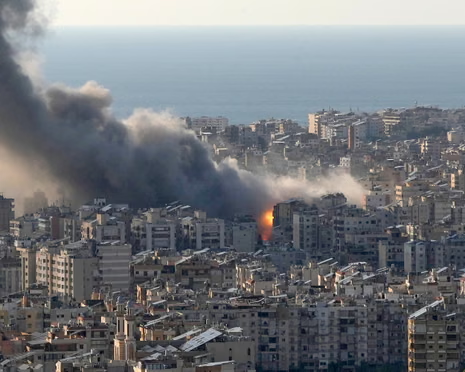
A planned diplomatic push involving a US delegation to Islamabad has faltered after Iran declined participation, deepening a standoff marked by military brinkmanship, economic pressure, and increasingly sharp rhetoric from both Washington and Tehran.
A fresh diplomatic initiative involving the United States has hit an early wall after Iranian officials refused to attend talks in Islamabad, where US Vice President JD Vance had been expected to play a central role.
The collapse of the proposed engagement underscores the widening gulf between Washington and Tehran at a time when tensions are already being inflamed by military actions, economic sanctions, and escalating threats.
Iran’s Foreign Minister Abbas Araghchi delivered a blunt rejection of the process, accusing Washington of bad faith and misinformation over the past two months.
In a sharply worded statement, Araghchi said: “Sending a US delegation to Pakistan for negotiations is pointless at this stage. For the past two months, President Trump has spread falsehoods daily. You cannot negotiate with a partner who abandons truth.”
He went further, directly challenging core US positions on Iran’s nuclear and strategic posture.
“Let the record be clear, Iran has never agreed to surrender its Uranium,” he said, dismissing Trump’s repeated posturing on the matter.
“China has never agreed to stop defense cooperation with us. The Strait of Hormuz was never opened by us under pressure.
“While the US President and his son profit daily, ordinary Americans and citizens across the world bear the cost of these lies and wars.
“The world must see what this is really about. This is not a fight over Iran’s uranium. This is a fight to undermine the sustainability and self-sufficiency of China, Russia, and India. Until there is honesty, there can be no diplomacy.”
The remarks land against a backdrop of increasingly aggressive rhetoric from US President Donald Trump, who has repeatedly threatened to escalate military action against Iran’s infrastructure.
In recent statements, Trump warned that the United States could target “all bridges and electricity installations” in Iran if tensions continue to rise, language that signals a willingness to strike civilian-critical infrastructure.
The situation has been further complicated by a maritime incident involving US forces and an Iranian commercial vessel reportedly returning from China.
According to Iranian accounts, US forces intercepted and fired upon the vessel before seizing it, an action Tehran has framed as a violation of international law and an escalation in economic warfare.
Washington has not fully detailed the operation publicly, but the incident has added to Iran’s claims that the US is targeting not just military assets but also commercial lifelines tied to its partnerships with Beijing.
In Tehran, the response has been both rhetorical and symbolic. Iranian authorities on Tuesday staged a high-profile military display featuring advanced missile launchers, a move widely interpreted as a signal of deterrence.
The show of force follows earlier warnings from Parliament Speaker Mohammad Bagher Ghalibaf, who said Iran possesses missile systems and weapons capabilities “yet to be shown to the world” and would deploy them if attacked.
The parade is part of a broader messaging strategy aimed at demonstrating that Iran is prepared for a sustained confrontation, even as it insists it is not seeking war.
Analysts note that such displays are intended to shape both domestic confidence and international calculations, particularly in Washington and allied capitals.
The diplomatic impasse in Islamabad reflects deeper structural tensions. The United States has sought to bring Iran back into a framework that limits its nuclear programme and curbs its regional influence, while Iran insists on recognition of its sovereignty, security interests, and economic partnerships, particularly with China and Russia.
For now, the breakdown of talks suggests that neither side is willing to make the concessions necessary to restart meaningful diplomacy.
With military incidents at sea, threats to critical infrastructure, and visible preparations for potential conflict, the crisis appears to be entering a more volatile phase—one where miscalculation could carry significant regional and global consequences.