By Joseph Mary Buwule
KAMPALA — The Food and Agriculture Organization (FAO) has urged governments and health agencies to strengthen disease surveillance at the points where humans, animals and the environment interact, warning that relying solely on hospital-based detection leaves the world vulnerable to future outbreaks.
In a statement marking World Zoonoses Day on July 6, FAO Representative in Uganda, Ezana Kassa, said global health systems remain largely reactive, often responding to diseases only after they have spread among people.
Kassa argued that while hospitals and laboratories play a critical role in diagnosing infections, tracing contacts and treating patients, such measures come into effect only after pathogens have crossed from animals to humans.
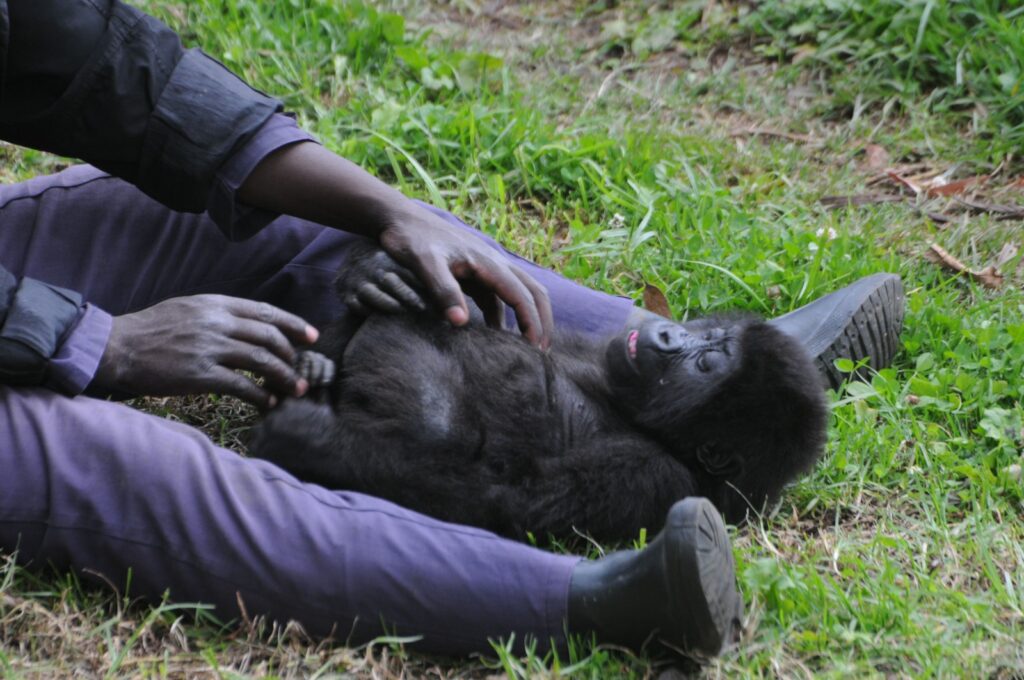
According to him, preventing future epidemics requires shifting attention to the wildlife-livestock-human interface, where many infectious diseases originate.
He noted that scientific research has increasingly shown that several major outbreaks are driven not only by human-to-human transmission but also by repeated spillover events from animals. As a result, controlling outbreaks in people alone does not eliminate the underlying threat if pathogens continue circulating in animal populations.
Drawing lessons from recent Ebola outbreaks, Kassa said delayed detection often allows diseases to gain a significant foothold before public health authorities can intervene. He observed that symptoms of diseases such as Ebola can initially resemble common illnesses, making early diagnosis difficult and giving outbreaks time to spread within communities.
Kassa said this challenge highlights weaknesses in current surveillance systems, which remain heavily concentrated in human health facilities rather than in areas where disease transmission risks first emerge.
He pointed to environmental changes, agricultural expansion and growing interactions between people, livestock and wildlife as factors increasing the likelihood of zoonotic disease transmission.
To address these risks, Kassa highlighted Uganda’s efforts to strengthen early-warning systems through the establishment of a wildlife veterinary diagnostic laboratory in Queen Elizabeth National Park in 2021. The facility was created to support the detection and monitoring of diseases circulating in wildlife before they spill over into human populations.
The laboratory enables scientists and veterinary experts to track pathogens across wildlife and livestock populations, providing information that can support preventive action before outbreaks occur.
Kassa said Uganda’s experience demonstrates the value of the One Health approach, which promotes collaboration between human health, animal health and environmental sectors to tackle disease threats more effectively.
He noted that FAO continues to work with international partners, including the World Health Organization (WHO), the World Organisation for Animal Health (WOAH) and the United Nations Environment Programme (UNEP), to strengthen integrated surveillance and disease prevention systems.
In Uganda, FAO supports programmes aimed at improving veterinary services, livestock health, ecosystem management and sustainable agricultural practices to reduce the risk of disease emergence.
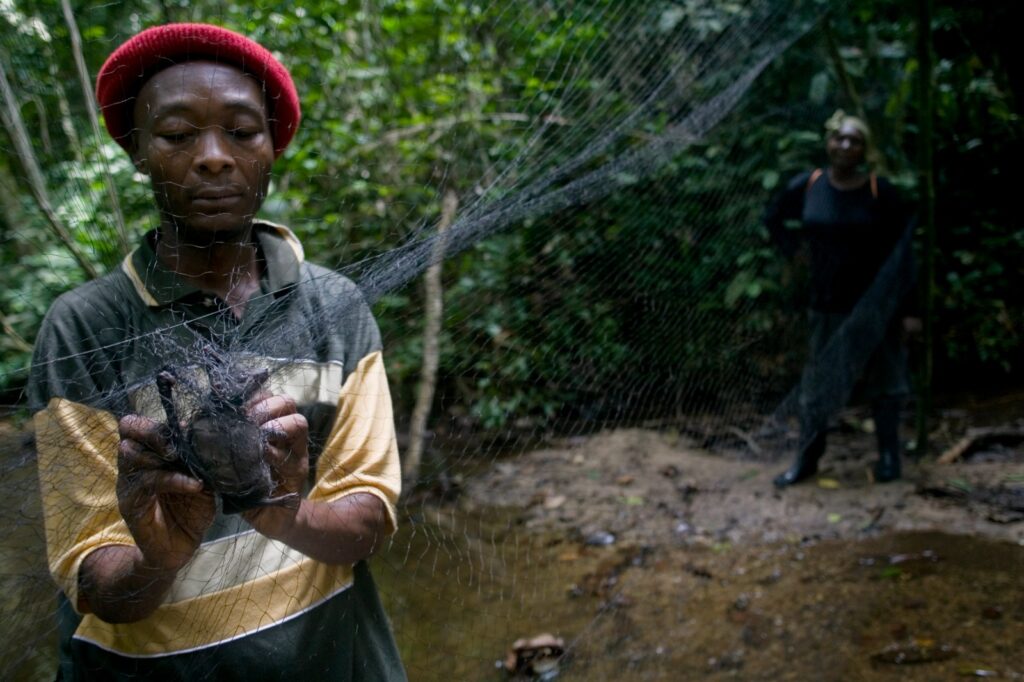
Kassa also called for greater recognition of the social and economic realities that influence disease risks. In many communities, activities such as bushmeat hunting and consumption remain important sources of food and income.
Rather than attempting to eliminate such practices entirely, he advocated measures that reduce risks through improved hygiene, safer handling of animal products, stronger veterinary inspections and increased public awareness.
He said evidence suggests that spillover events are becoming more frequent, making investment in prevention more urgent than ever.
According to Kassa, strengthening surveillance systems before diseases reach human populations is not only more effective but also less costly than managing large-scale outbreaks after they occur.
As countries reflect on lessons from previous epidemics, he urged policymakers to invest in early detection systems capable of identifying threats before they become public health emergencies.
Kassa warned that future pandemics are likely to emerge at the intersection of wildlife, livestock and human activity, stressing that preparedness must begin long before patients arrive at hospitals.
He said the choice facing governments is whether to invest in prevention now or bear the far greater costs of responding to future outbreaks later