ADDIS ABABA, Ethiopia –
The Food and Agriculture Organization of the United Nations (FAO), in partnership with the International Plant Protection Convention (IPPC) and other stakeholders, has launched the third phase of the Africa Phytosanitary Programme (APP), a major initiative aimed at strengthening Africa’s capacity to detect, monitor and control destructive crop pests through the use of advanced digital technologies.
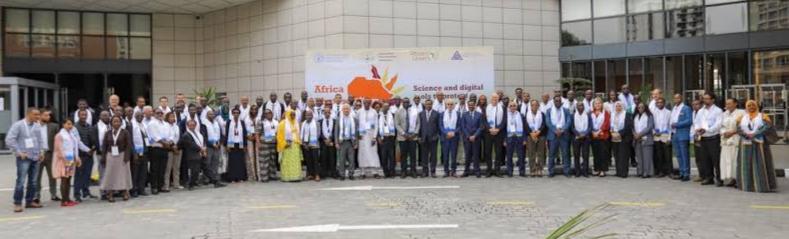
The programme was officially launched in Addis Ababa and hosted by the Ethiopian Agricultural Authority (EAA). It has brought together nearly 100 phytosanitary experts from 18 African countries for a week-long Train-the-Trainer workshop focused on improving pest surveillance, protecting agricultural production, enhancing food security and facilitating international trade.
Participating countries include Botswana, Burkina Faso, the Central African Republic, Comoros, Côte d’Ivoire, Djibouti, Eswatini, Ethiopia, Gabon, Libya, Mauritania, Mozambique, Namibia, Niger, Nigeria, São Tomé and Príncipe, Sudan and Togo. Uganda is among the countries attending as an observer, alongside Egypt, Mali and South Africa, which took part in earlier phases of the programme. Observers from Yemen and FAO plant health officers from across the continent are also participating.
During the training, participants will receive hands-on instruction in the use of advanced digital tools, including geospatial surveillance tablets, to strengthen the monitoring, detection and reporting of economically significant plant pests and diseases. The trainees are expected to transfer the skills acquired to colleagues within their National Plant Protection Organizations upon returning home.
The latest phase builds on the achievements of the pilot programme launched in 2023 and a second phase implemented in 2025, both of which trained plant health experts from nearly 20 African countries.
Speaking at the launch, Ethiopian Agricultural Authority Director General Ambassador Diriba Kuma emphasized the need for stronger regional cooperation in tackling plant health threats.
He said Africa can no longer rely on fragmented responses to pests that continue to undermine agricultural productivity and disrupt cross-border trade. According to Kuma, strengthening technical capacity will help reduce trade barriers and expand access to international markets.
He noted that plant pests do not respect national boundaries, making coordinated, data-driven action essential for protecting food systems and strengthening economies. Kuma also highlighted Ethiopia’s ongoing efforts to modernize its phytosanitary systems through the implementation of the IPPC ePhyto Solution and the Phytosanitary Capacity Evaluation tool.
IPPC Secretary Enrico Perotti warned that climate change, growing international trade and increased global travel are accelerating the spread of invasive pests and plant diseases. He urged participants to ensure that lessons learned through the programme are widely shared to prevent future economic losses.
Perotti also pointed out that while some international markets have reduced tariffs on African agricultural products, many exporters continue to face challenges meeting sanitary and phytosanitary standards. FAO estimates that nearly 30 percent of Africa’s agricultural exports are rejected due to non-compliance with these requirements.
Several countries participating in the programme are already reporting positive results. Egypt has used harmonized pest surveillance data to support market access for citrus fruits, mangoes and grapes in the Dominican Republic and Peru. Kenya and Uganda have strengthened surveillance systems to prevent the spread of serious pests and diseases, including Xylella fastidiosa and banana bunchy top disease, while Mali has expanded nationwide training and deployment of APP digital technologies.
FAO Representative ad interim in Ethiopia Orlando Sosa said the programme is helping to create a continent-wide network of plant health professionals who can collaborate, share expertise and strengthen national plant protection systems.
African Union Inter-African Phytosanitary Council (AU-IAPSC) Coordinator Saliou Niassy described APP as one of the continent’s most ambitious initiatives to establish a harmonized and digitally connected phytosanitary network. He said safeguarding plant health has become a strategic investment in food security, economic resilience and stability across Africa.
Mohamed Habib Ben Jamaa, Executive Director of the Near East and North Africa Plant Protection Organization (NEPPO), called for stronger partnerships between governments and the private sector to accelerate access to innovative technologies and improve pest management solutions.
The third phase of the Africa Phytosanitary Programme is funded by the European Union and the United Kingdom. It builds on earlier support from the United States Department of Agriculture’s Animal and Plant Health Inspection Service (USDA-APHIS), which financed the pilot phase in 2023.
Organizers say the programme will continue to expand to additional African countries while gradually transferring leadership to regional institutions. Under the new phase, the AU-IAPSC and NEPPO will take a leading role in strengthening regional ownership and ensuring the programme’s long-term sustainability.