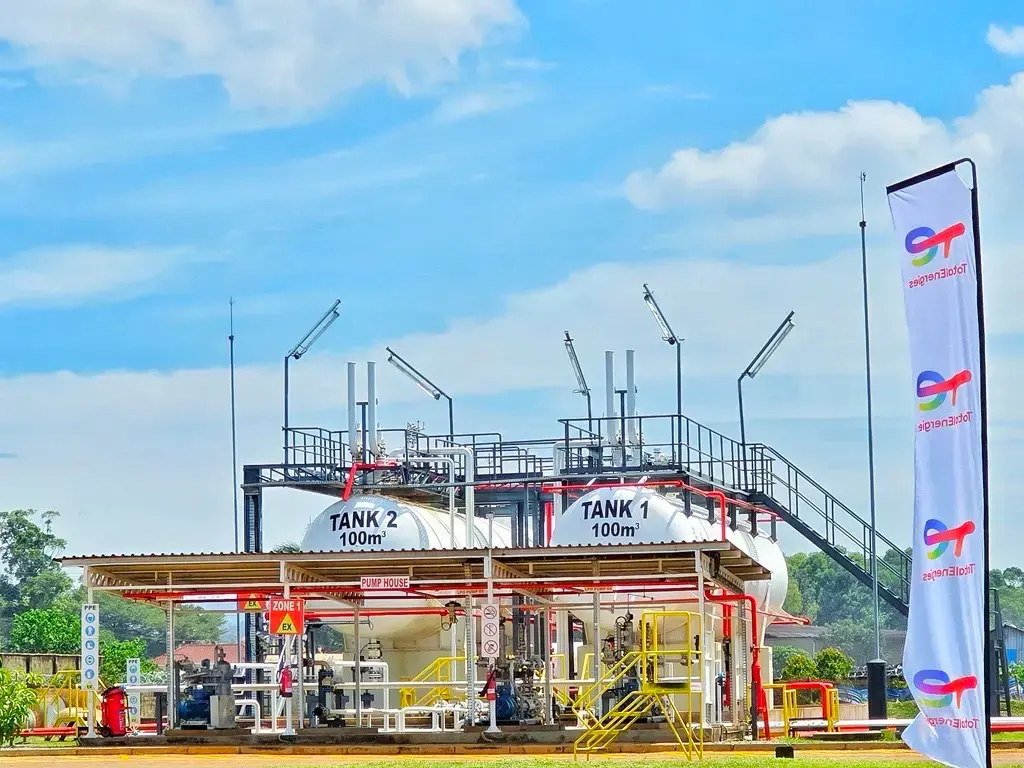
On 25 June 2026, the Paris Judicial Court issued a landmark decision under France’s Duty of Vigilance Law, holding TotalEnergies accountable for shortcomings in its climate-related due diligence. While the ruling was delivered in France, its implications extend far beyond Europe, sparking global debate on corporate responsibility, environmental protection and the role of businesses in preventing ecological harm.
For Uganda, where oil and gas projects are rapidly expanding into wetlands, forests, rivers and other fragile ecosystems, the judgment provides a timely reminder of the urgent need for stronger environmental governance. These landscapes are vital for biodiversity, food security, water resources and community livelihoods, yet they face mounting pressure from extractive activities.
The French court’s decision underscores that environmental due diligence must be more than a procedural formality. Companies operating in sensitive sectors are expected to proactively identify risks, prevent harm and remain accountable for their impacts. Restoration after damage is often costly or impossible, making prevention the most effective safeguard.
Uganda’s experience highlights the importance of independent monitoring, precautionary planning and meaningful community participation. Local communities are often the first to notice changes in water sources, biodiversity and agricultural land. Their knowledge and observations should inform decision-making and strengthen accountability. Transparent access to environmental information is equally critical, enabling citizens to engage in oversight and ensure that corporate and government commitments translate into real protection.
The ruling also reflects a broader global shift: courts, investors and civil society increasingly demand that companies demonstrate genuine environmental responsibility. For Uganda, this is an opportunity to reinforce existing legal frameworks, ensure consistent enforcement and prioritize environmental protection as a foundation for human rights, livelihoods and sustainable development.
Ultimately, the debate should not be limited to oil revenues. It must also ask whether Uganda’s ecosystems are being safeguarded, whether communities are meaningfully involved in shaping their future, and whether future generations will inherit a resilient environment. These are the questions that should guide Uganda’s environmental governance long after the oil is gone