By Joseph Mary Buwule
BUNYORO — Older persons in the Bunyoro sub-region have called on government to establish a health insurance scheme specifically designed to support elderly citizens, saying the rising cost of medical care and difficulties accessing health services are affecting their wellbeing and quality of life.
The elderly want the government to introduce a system that would enable them to receive affordable healthcare within their communities without having to worry about the cost of consultations, medicines, laboratory tests and other essential medical services.
They have also asked government to increase social assistance grants, arguing that the current financial support is inadequate to meet their daily needs, including food, clothing, healthcare and other basic necessities.
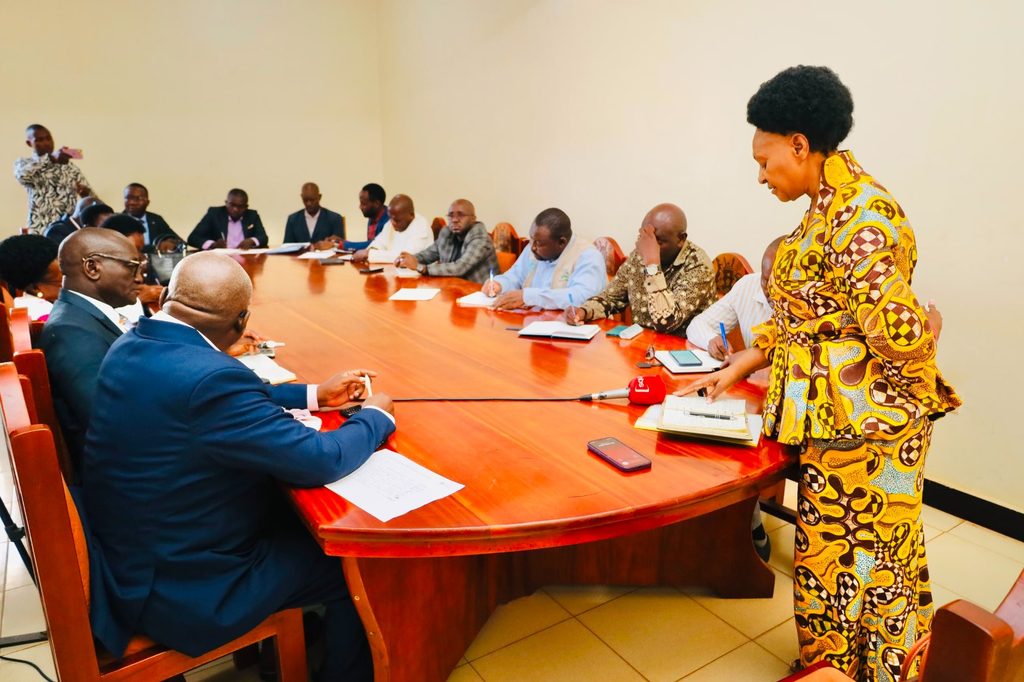
The concerns were raised during an oversight monitoring visit by the Minister of State for Elderly Affairs, Hon. Jacqueline Mbabazi, who is in Bunyoro to assess the implementation and impact of government programmes targeting older citizens.
The minister is monitoring the Social Assistance Grants for Empowerment (SAGE), the Special Enterprise Grant for Older Persons and the Parish Development Model (PDM), among other government interventions intended to improve the livelihoods of vulnerable and economically disadvantaged citizens.
The beneficiaries said that while government support has helped some older persons meet their immediate needs, access to affordable and reliable healthcare remains one of the most pressing challenges facing the elderly.
They called for a comprehensive healthcare arrangement that would reduce the financial burden associated with seeking treatment and enable them to access medical services closer to their homes.
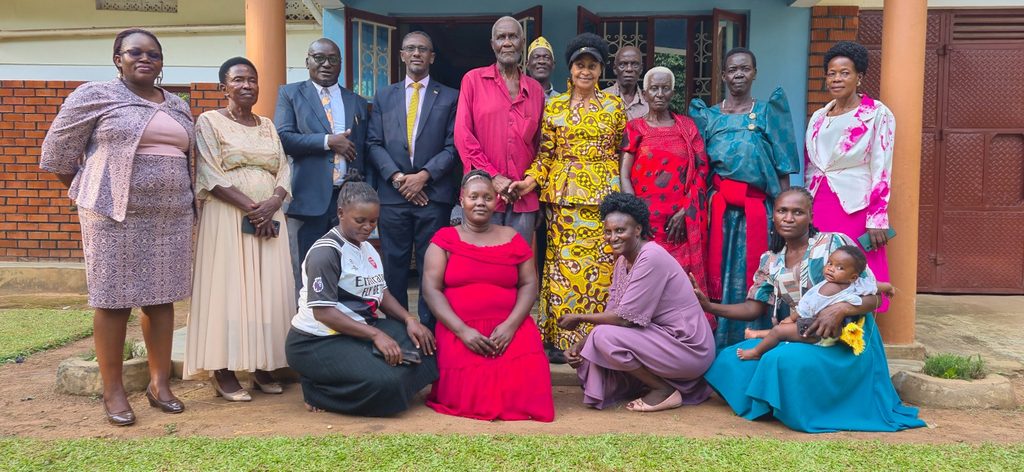
Healthcare costs remain a major concern
Older persons face a range of challenges when seeking medical care, including the cost of treatment, transport to health facilities, availability of medicines and the difficulty of travelling long distances to obtain specialised services.
As people age, they may require more frequent medical attention, regular check-ups and continued treatment for long-term illnesses. For elderly citizens who depend on social assistance, family support or irregular income, these needs can place considerable pressure on already limited resources.
The absence of a dedicated health insurance arrangement for older persons means that many must rely on available public health services, personal savings or assistance from relatives to meet medical expenses.
Even where consultation and treatment are available at public health facilities, patients may still incur costs related to transport, medicines that are unavailable at the facility, diagnostic tests and referrals to higher-level health centres.
For older persons living in rural communities, the distance to health facilities can present an additional challenge. Limited mobility, physical frailty and the need for someone to accompany them may make it difficult to travel for medical attention, particularly when health services are not readily available within their immediate communities.
The elderly in Bunyoro therefore want government to consider a health insurance scheme that takes into account their particular needs and enables them to access healthcare without being forced to choose between seeking treatment and meeting other household expenses.
They also want healthcare services for older persons strengthened at community level, with improved access to essential medicines, regular medical assessments and appropriate referral services.
Calls for increased social assistance
Apart from healthcare, the older persons appealed for an increase in social grants, saying the financial support they receive should reflect the cost of living and the growing needs of elderly citizens.
They explained that many older persons have limited opportunities to engage in productive economic activities and depend on social assistance to meet basic household requirements.
For some beneficiaries, the grants provide an important source of income for purchasing food, paying for essential household items and supporting other daily needs.
However, beneficiaries argue that increasing the amount would enable them to respond more effectively to their needs, particularly when faced with unexpected expenses such as illness or emergencies.
The appeal comes as government continues to implement social protection and economic empowerment programmes intended to improve the welfare of vulnerable groups, including older persons.
The elderly want the government to ensure that social assistance remains responsive to their changing needs and provides meaningful support towards living with dignity and independence.
Government interventions under review
Minister Mbabazi’s visit to Bunyoro is aimed at assessing how government programmes targeting older citizens are being implemented and the extent to which beneficiaries are experiencing improvements in their livelihoods.
The monitoring exercise is also intended to identify challenges affecting the delivery of government support and establish areas that may require further attention.
Among the programmes under review is the Social Assistance Grants for Empowerment, commonly known as SAGE, which provides cash assistance to eligible older persons as part of government’s social protection efforts.
The minister is also assessing the Special Enterprise Grant for Older Persons, which is intended to support economic empowerment, as well as the Parish Development Model, a government initiative designed to facilitate household participation in the money economy.
The programmes are expected to contribute to improved household welfare, increased economic participation and reduced vulnerability among beneficiaries.
However, the effectiveness of these interventions depends not only on the availability of funds but also on their accessibility, timely delivery and the ability of beneficiaries to use the support to address their specific needs.
The monitoring visit provides an opportunity for government officials to interact directly with older persons, hear their concerns and assess whether the programmes are delivering the intended benefits.
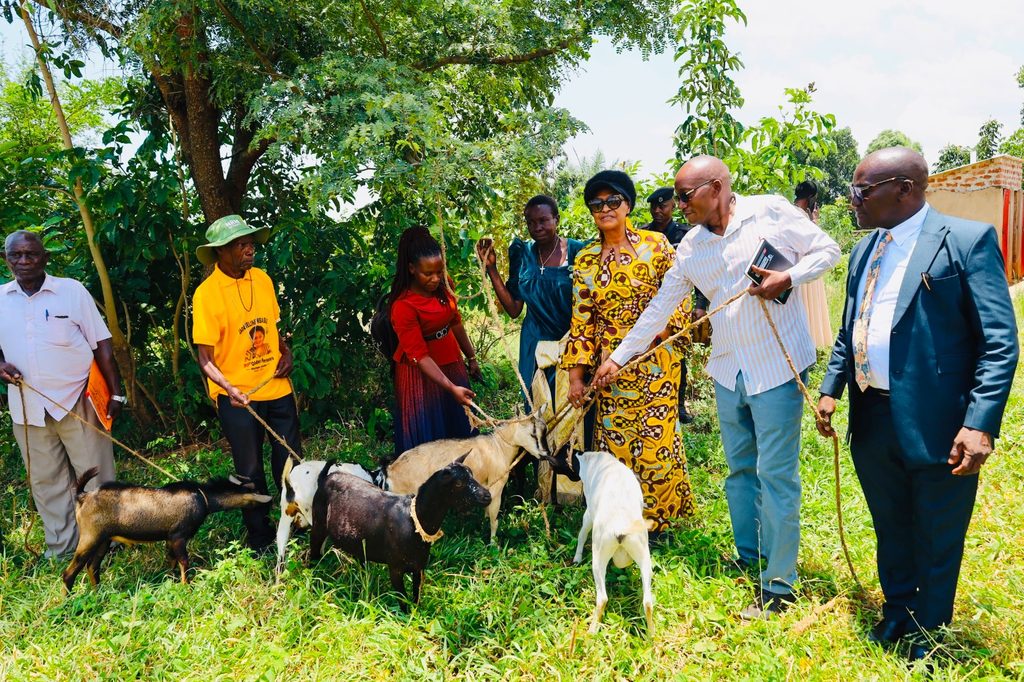
Cash transfers described as transformative
During the engagement, Minister Mbabazi noted that cash transfers under government interventions are transformative, helping older persons improve their livelihoods and respond to their daily needs.
The financial support enables beneficiaries to address some of their immediate household requirements and provides a measure of economic security to older citizens who may have limited sources of income.
The minister’s assessment comes amid calls from beneficiaries for improvements in the amount of support provided and the introduction of additional measures to address healthcare challenges.
While cash transfers can help older persons meet some medical expenses, beneficiaries say financial assistance alone cannot fully address the difficulties associated with accessing healthcare, particularly where treatment, medicines and transport are costly or unavailable nearby.
The call for health insurance therefore reflects a desire for a more comprehensive approach to elderly welfare, combining income support with access to essential services.
Broader challenges facing older persons in Uganda
The concerns raised in Bunyoro reflect wider challenges that older persons in Uganda may encounter as they seek to maintain their health, independence and livelihoods.
Many elderly citizens depend on family members, community support or social assistance, while others continue to work in agriculture and informal activities despite age-related limitations.
For those living in rural areas, access to healthcare may be affected by long distances to health facilities, transport costs and the availability of appropriate services.
Older persons may also face difficulties obtaining regular treatment for chronic conditions, particularly when medicines or diagnostic services are not readily available at nearby facilities.
In addition, some elderly citizens require assistance with daily activities or travelling to health centres, yet may not have a reliable caregiver available.
These challenges can be compounded by limited financial resources, especially for older persons who have no regular income or whose families are unable to provide consistent support.
A health insurance scheme for older persons could help reduce some of these financial barriers, depending on its design, coverage and accessibility. Such a scheme would need to clearly address the services covered, the availability of healthcare providers, the cost of participation and how vulnerable older persons would be supported.
Improving access to healthcare would also require continued investment in public health facilities, essential medicines, community-based services and appropriate care for older citizens.
Need for stronger elderly protection
The engagement in Bunyoro highlights the importance of integrating healthcare access into broader government efforts to improve the welfare of older persons.
Beneficiaries say social grants remain important in helping them meet daily needs, but they want additional measures that address the medical and financial challenges associated with ageing.
They are urging government to consider increasing social assistance, improving access to healthcare and strengthening economic empowerment programmes so that older persons can live with dignity and greater security.
The monitoring exercise is expected to help government assess the effectiveness of its interventions, identify implementation gaps and determine areas requiring improvement.
For older persons in Bunyoro, the central message is that social protection should go beyond cash transfers to include affordable healthcare and accessible services that respond to the realities of ageing.
They want government interventions to provide not only financial relief but also practical support that enables them to access treatment, meet their basic needs and remain active members of their communities.