By Joseph Kiggundu
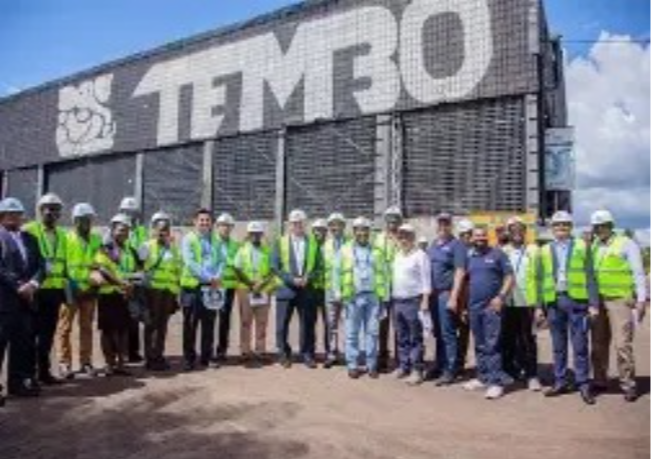
Legislators on Parliament’s Committee on Physical Infrastructure are investigating circumstances under which Uganda Railway Corporation (URC) tracks and sleepers were allegedly removed from different sections of the national railway network, with materials valued at Shs12 billion subsequently recovered from Tembo Steels’ Factory premises.
They also question why URC accepted Shs525 million after initially demanding Shs50 billion from the steel manufacturer for compensation.
The investigation has raised questions about the protection of strategic government infrastructure, the acquisition of railway materials by private steel manufacturers and the circumstances under which URC drastically reduced its compensation demands.
Committee chairperson Mwine Mpaka tasked officials from the Ministry of Works and Transport, Ministry of Internal Affairs and URC to explain how railway infrastructure was allegedly dismantled under the watch of the Railway Police.
“The legislators are also demanding for accountability of the recovered materials valued at Shs12 billion from Tembo Steels’ premises,” Parliament said in a statement on Thursday.
URC’s lawyers initially demanded Shs50 billion after railway components were discovered at Tembo Steels’ factories in 2021.
However, Tembo Steels offered Shs500 million, prompting URC to revise its demand to Shs700 million before eventually accepting Shs525 million.
The final settlement represented just 1.05 percent of URC’s original demand and about 4.4 percent of the reported value of the recovered materials.
The circumstances under which the settlement was negotiated, including the basis for the substantial reduction and whether it adequately protected taxpayers’ interests, remain unclear.
Appearing before the committee on November 23, Tembo Steels’ lawyer, Harold Turigye, maintained that the company had documentation supporting its acquisition of the railway materials.
He said a scrap dealer who supplied the materials to Tembo had presented receipts indicating that they had been purchased from URC .
Turigye argued that the company could have successfully defended itself in court ,but opted for a settlement to protect its reputation.
“I can win the battle if you take me to court because of these documents that I’ve shown you, but it’s not a battle worth fighting,” he said
His testimony raises further questions about whether URC lawfully disposed of railway infrastructure, who authorised any such transactions and whether the materials supplied to Tembo corresponded with those covered by the receipts.
The investigations come at a time when government is in the process of to restoring its run down railway network and shift more commercial cargo from roads to rail to reduce transport costs and improve regional trade competitiveness.
The alleged uprooting of railway infrastructure could undermine these efforts while exposing taxpayers to additional expenditure on replacing damaged or missing items like sleepers .