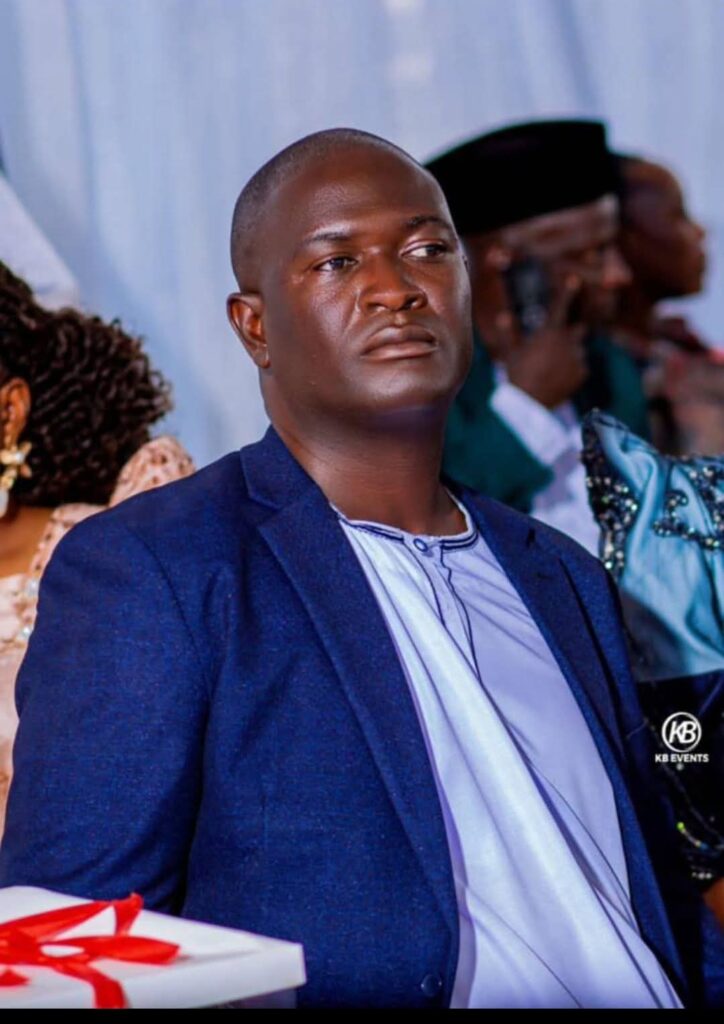
The High Court in Masaka has ordered that prominent local businessman Bosco Ssenyonjo popularly known as Bitanda be buried at his ancestral burial grounds .
This settles a bitter family dispute that had pitted his widow Jane Nabukeera against his mother, brother and other claimants following a fatal road crash earlier this month.
In a ruling delivered on Thursday, Justice Victoria N.N. Katamba held that the late Ssenyonjo, popularly known as “Bitanda,” should be laid to rest at Kyalusolwe in Nyendo-Mukungwe, Masaka City, in line with Buganda customary practices.
The case arose after Ssenyonjo died in a March 16 accident near Mpala in Wakiso District alongside two of his adult children, as the family travelled toward Entebbe International Airport. The tragedy left behind competing claims over his burial, with his widow, Jane Nabukeera, seeking to bury him at his residence in Mpugwe, while his extended family insisted on the ancestral burial grounds.
Justice Katamba ruled that the court could not reliably establish the deceased’s personal burial wishes due to conflicting and uncorroborated testimony from multiple relatives.
“In essence, the court is confronted with a classic case of ‘he says, she says,’ with no independent or corroborative evidence to lend credence to any one account over the other,” the judge said.
She instead placed weight on the deceased’s conduct and cultural context, noting that he had taken steps during his lifetime to preserve the ancestral burial grounds, indicating a continued connection to family land.
“On a balance of probabilities, the conduct supports the conclusion that he intended to be buried at Kyalusolwe Cell,” Katamba ruled.
The court also emphasised the role of customary law in burial disputes, citing constitutional protections for cultural practices.
It found that Buganda customs — particularly regarding burial of a customary heir and father of twins — were applicable and not inconsistent with written law.
“The question of burial is one that falls squarely within the realm of customary law,” the judge said, adding that ancestral burial grounds carry “profound spiritual and cultural meaning.”
However, in a split decision reflecting the complexity of the case, the court allowed the deceased’s two children to be buried separately at Mpugwe, siding with their mother’s wishes.
In addition, the court ordered that a DNA sample be extracted from the deceased’s body before burial and preserved for any future paternity disputes, though it declined to order immediate testing.
The ruling brings to an end a highly emotional dispute involving multiple women claiming to be widows under customary law, as well as the deceased’s mother and brother, highlighting tensions between modern family dynamics and traditional practices in Uganda.
Justice Katamba urged families to resolve such matters amicably, warning that litigation in moments of grief risks deepening divisions.
“Death… is intended to unite rather than divide. It is a time for reconciliation,” she said.
