
By Joseph Kiggundu
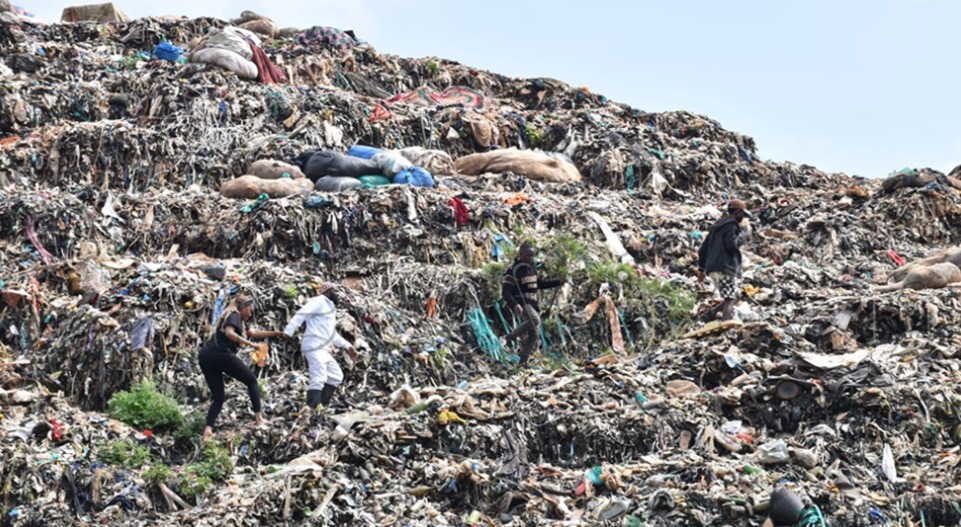
The Kampala Capital City Authority (KCCA) has initiated recovery and stabilization measures at the Kiteezi landfill following a major garbage collapse that severely impacted nearby communities.
The incident has once again exposed long-standing challenges in Kampala’s waste management system, particularly concerns about landfill safety. In response, the government has begun compensating affected residents while also rolling out technical plans to restore and secure the site.
According to KCCA spokesperson Daniel NuweAbine, the most damaged parts of the landfill were densely compacted and structurally weak. He explained that immediate attention is being given to the most vulnerable areas, especially along the lower eastern and southern slopes where a large crater developed.
With support from German partners, KCCA is adopting the Fukuoka Method—a waste management approach that emphasizes controlled stabilization, terracing, and proper drainage. Officials noted that this method has previously delivered positive results in Ethiopia and will guide the rehabilitation of Kiteezi.
NuweAbine also shared updates on the planned upgrade of the 9-kilometer Mpelerwe–Kiteezi–Kiti road, the main route serving the landfill. The African Development Bank is expected to finalize approval for tarmacking works under the Kampala City Roads Rehabilitation Project.
He clarified that the road project does not provide for compensation and called on local leaders to work closely with residents to ensure access for construction by granting the required right of way.
Meanwhile, a UN-Habitat representative confirmed that preparations are underway, with teams being assembled and equipment mobilized. The project, initially scheduled to begin in February 2025, is expected to be completed by March 2026