By Joseph Kiggundu
Legal experts have called on the government to increase investment in legal aid services to help close the access-to-justice gap, particularly for women and vulnerable groups across the country.
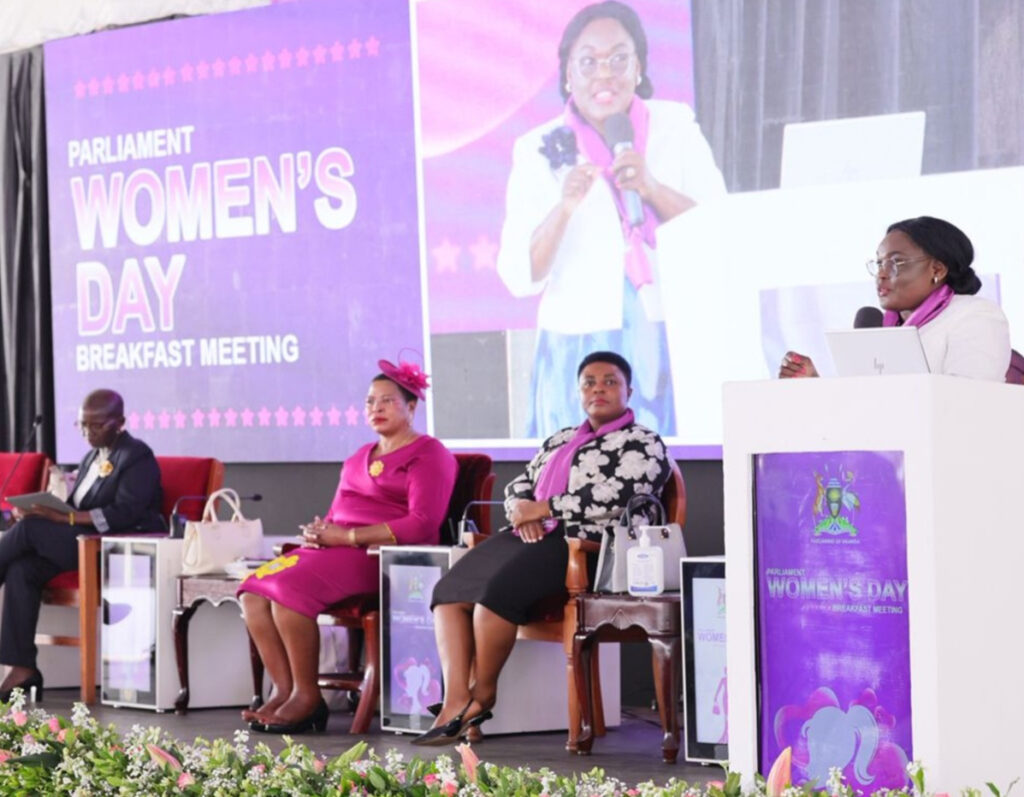
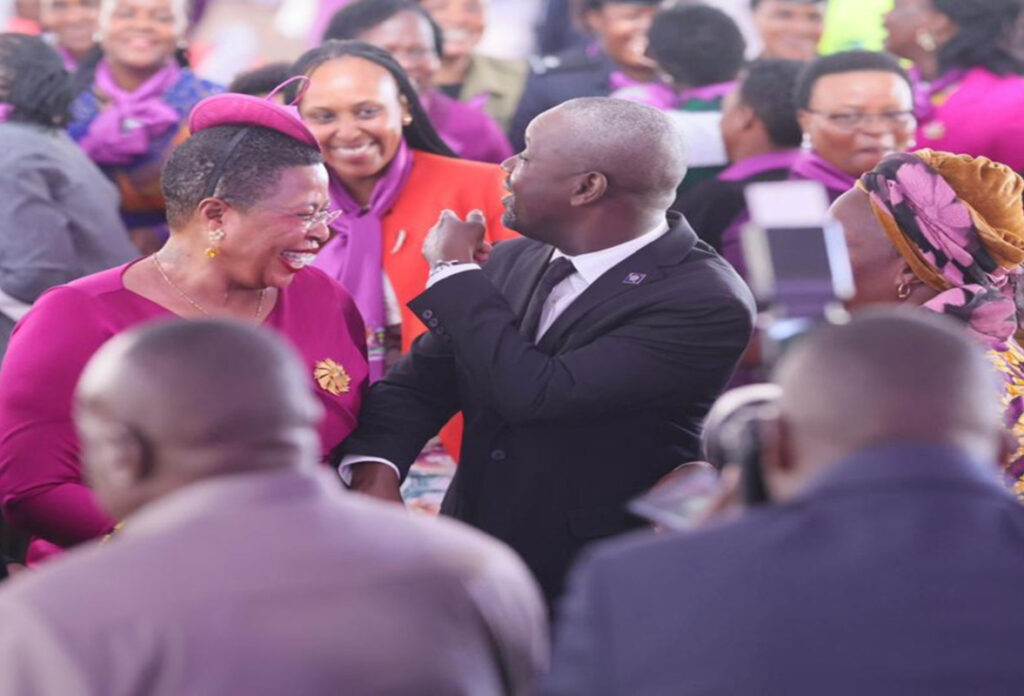
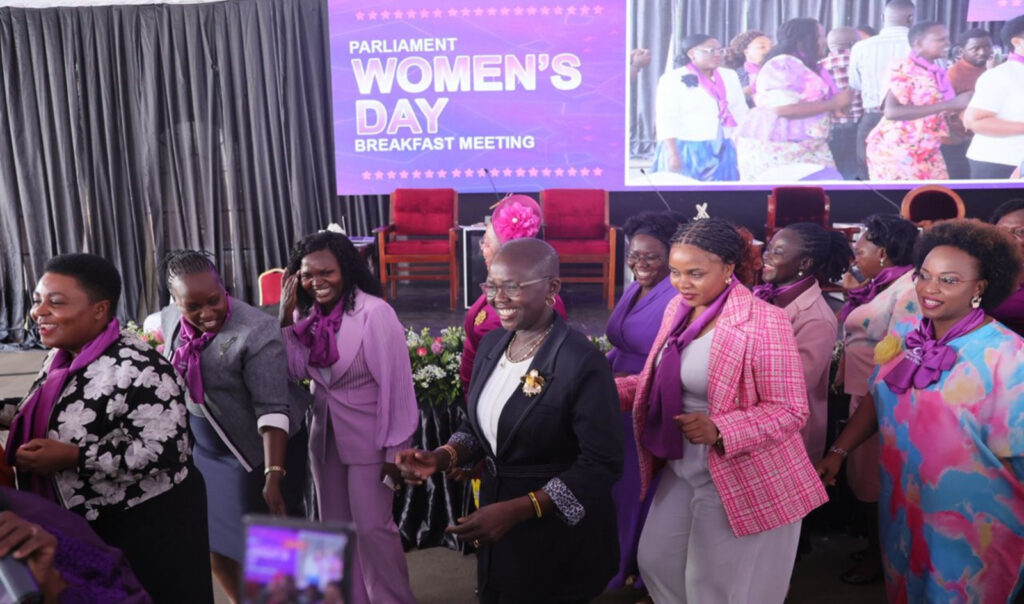
The appeal was made during a Parliamentary Women’s Day breakfast meeting held at Parliament of Uganda on March 6, 2026, as part of activities marking International Women’s Day.
Delivering the keynote address, Supreme Court judge Catherine Bamugemereire emphasized the urgent need for the government to strengthen access to justice through the provision of legal aid services. She said the country must prioritise the implementation of a comprehensive legal aid framework to assist people who cannot afford legal representation.
Justice Bamugemereire noted that many women continue to lose land and property rights because they lack access to legal services. According to her, implementing a legal aid system would provide free or affordable legal assistance to marginalized and vulnerable communities.
Similarly, Jane Frances Abodo, the Principal Judge, stressed that access to justice goes beyond the existence of courts. She said it requires deliberate governance and economic interventions to ensure citizens—especially women and girls—can effectively use the justice system.
Justice Abodo warned that when women and girls cannot access justice, cases of violence often go unreported and perpetrators remain unpunished, creating a culture of impunity. She called for increased state investment in legal aid programs, including community legal education and support for paralegal initiatives.
Efforts to establish a national legal aid framework have faced setbacks in the past. In May 2023, the National Legal Aid Bill, 2022 was presented for second reading in Parliament of Uganda but was halted after the Committee on Legal and Parliamentary Affairs raised concerns about its financial implications.
The committee reported that implementing legal aid services nationwide would require at least Shs47.6 billion annually from the Consolidated Fund. As a result, the bill was returned to the committee for further review.
During the same event, the Speaker of Parliament, Anita Among, proposed measures to address menstrual hygiene challenges among school-going girls, which contribute to absenteeism.
She urged the Ministry of Finance, Planning and Economic Development to introduce tax incentives for local manufacturers producing reusable sanitary pads in the 2026/27 national budget. According to the Speaker, supporting local production would make sanitary products more affordable and widely available.
Statistics show that more than 1.2 million girls aged between 12 and 18 in Uganda struggle to access sanitary products, clean water and private sanitation facilities, leading to frequent school absences. Studies also indicate that between 50 and 70 percent of schoolgirls resort to using unsafe materials such as rags, soil or banana fibres during menstruation, exposing them to infections and stigma.
Speaker Among acknowledged that while Uganda has made progress in promoting women’s empowerment, several challenges remain. She pointed out that women still lag behind in employment opportunities, financial inclusion, literacy levels, school completion rates and access to justice.
Uganda will commemorate International Women’s Day on March 8, 2026 at Kololo Independence Grounds under the theme: “Scaling up investment to accelerate access to justice for all women and girls in Uganda.”
Justice Bamugemereire also called on leaders and institutions to promote gender equity through concrete policy actions rather than symbolic gestures, emphasizing the need to build a society where opportunities are determined by merit rather than gender