KAMPALA .
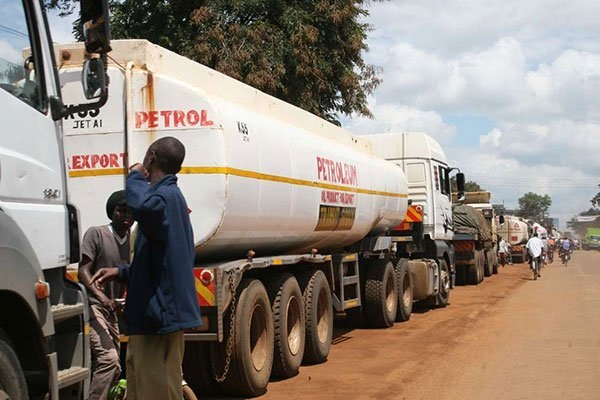
Uganda’s neighbour in the East,Kenya is pushing to access Uganda’s fuel reserves as its own stocks shrink.
However , Uganda has declined the request, citing national priorities and the need to safeguard domestic supply amid global disruptions.
Kenya, which imports its fuel through Mombasa Port on Indian Ocean , is facing tightening supplies due to delayed cargo shipments, with officials warning operational stocks could run low by mid-April.
Uganda’s reserves, by contrast, are projected to last beyond May.
Newzzone Publications Ltd understands that Kenya has proposed to borrow fuel stocks and replenish them once delayed cargo arrives.
However, Ugandan authorities have protested the move, noting that much of the fuel within Kenya’s pipeline system is legally owned by Uganda despite being physically stored there.
A senior government official said diverting the stocks would risk creating shortages in Uganda.
“We cannot afford to create the same retail-level stock-outs already appearing in parts of Kenya. Our priority is safeguarding Uganda’s national buffer and the assurances we have already given to our citizens,” the official said
Contacted for comment, Ministry of Energy spokesperson Dr. Patricia Litho said the government would not comment “for diplomatic reasons.”
Energy Minister Ruth Nankabirwa has repeatedly stressed the importance of protecting national reserves.
“Our strategic petroleum reserves are built to ensure energy security for Ugandans first. We will not compromise on commitments made to our population, especially when we see shortages emerging in the region,” she said in a recent address.
Shortage
Kenya’s Treasury Cabinet Secretary John Mbadi acknowledged the urgency of the situation, saying Nairobi is engaging regional partners to manage short-term supply gaps.
“We are engaging our regional partners to manage short-term supply gaps as we await delayed shipments,” Mbadi said.
Technically, Kenya does not operate dedicated strategic petroleum reserves and instead relies on working stocks held by the Kenya Pipeline Company (KPC) and private oil marketers, which maintain about a 30-day cover.
KPC’s system has storage capacity of about 1.14 billion litres, though much of this consists of transit fuel destined for neighboring countries.
Uganda, meanwhile, has maintained relatively stable stocks despite the ongoing Middle East conflict, which has disrupted shipments through the Strait of Hormuz, a route that carries about 20 percent of global oil supply.
According to the Ministry of Energy and the Uganda National Oil Company (UNOC), Uganda held about 81 million litres of petrol, 80 million litres of diesel and 18.5 million litres of Jet A-1 as of late March, translating into roughly 22–23 days of cover for road fuels and 30 days for jet fuel.
Uganda consumes an estimated 2.3 million litres of petroleum products daily and relies entirely on imports routed through Kenya and Tanzania, making supply planning critical.
Even as pump prices in Uganda have edged up slightly, with petrol averaging around Shs5,200 per litre, they remain significantly lower than in many European markets, where prices often exceed Shs8,000–Shs8,700 per litre, reflecting the benefits of diversified sourcing and centralized supply management.
The standoff underscores the delicate balance of regional energy cooperation within the East African Community, as countries increasingly prioritize domestic energy security amid volatile global markets.