YAOUNDE, Cameroon
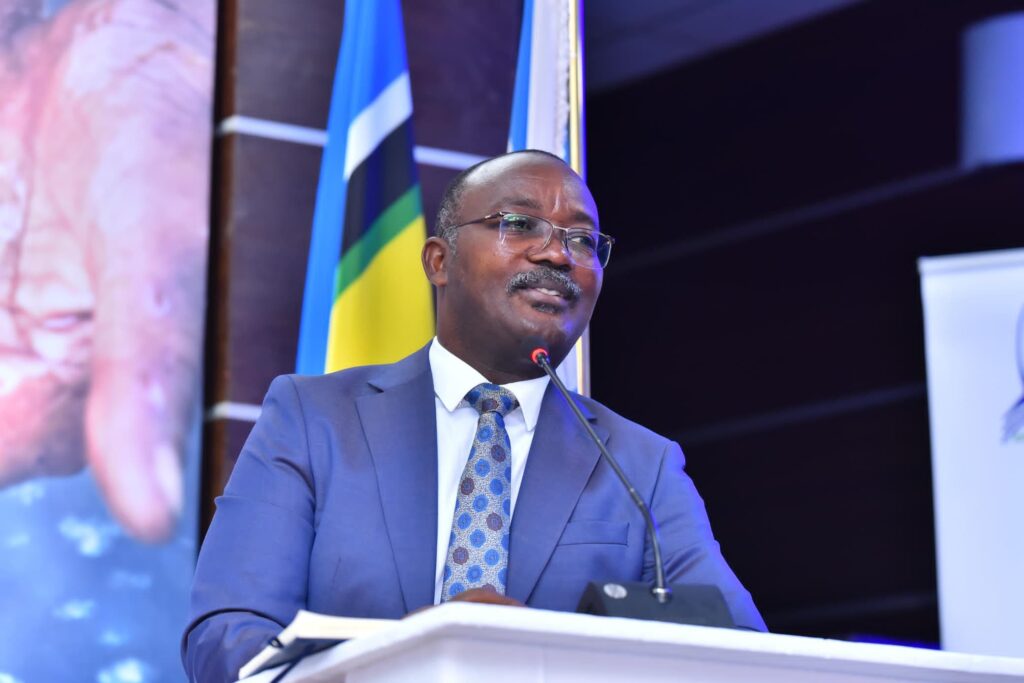
Effective water and sanitation management in Africa is no longer just an engineering task but a strategic leadership decision that requires a systems-wide approach, according to Silver Mugisha, Managing Director of the National Water and Sewerage Corporation (NWSC).
Speaking at the 23rd African Water and Sanitation Association (AfWASA) International Congress and Exhibition (ICE) in Yaoundé, Mugisha said utilities must rethink traditional operating models to address the complex intersection of climate resilience, public finance and social equity.
He emphasized that sustainable success depends on aligning technical operations with institutional governance, financial stability and environmental stewardship.
From Engineering Utility to Customer-Centric Service Provider
Mugisha argued that water utilities must evolve from engineering-focused organizations into customer-centered service providers. This transformation, he said, requires balancing policy, legislation and regulation with social and behavioral considerations.
“The systems approach is the backbone of high performance,” Mugisha told delegates, explaining that water and sanitation management must be treated as an interconnected web of financial, environmental and technical components — not as isolated infrastructure projects.
NWSC’s Growth as a Case Study
Mugisha pointed to NWSC’s performance over the past decade as evidence of the model’s effectiveness.
Since 2013, NWSC has expanded its operations from 23 towns to 282, increasing the population served from 4.5 million to more than 22.7 million people. Annual turnover rose from 121 billion Ugandan shillings to 649 billion shillings during the same period.
By 2030, the utility aims to serve 350 towns and 26 million people, with its asset base projected to grow to 6.2 trillion shillings.
Technical capacity has expanded in tandem. Daily water production increased from approximately 294,600 cubic meters in 2013 to 791,000 cubic meters in 2025. The pipe network grew from 3,523 miles to 14,778 miles to support the expanded service footprint.
Accountability, Financial Autonomy and Digital Innovation
Mugisha said the results stem from deliberate reforms, beginning with incentive-based internal contracts that incorporate clear key performance indicators at corporate, regional and individual levels.
“These internal agreements ensure accountability across the organization,” he said.
He added that financial autonomy and self-reliance have helped the corporation address financing gaps and aging infrastructure. Revenue enhancement measures and consistent tariff indexation have strengthened financial health, growing the utility’s asset base to 4.7 trillion shillings, with a 6.2 trillion target by 2030.
Digital transformation has also played a key role. NWSC’s smart utility strategy integrates locally developed systems for electronic payments, mobile banking and intelligent data reporting.
To support evidence-based decision-making, the corporation operates a Strategic Research Committee. Mugisha cited a current study evaluating the accuracy of 1,200 water meters as part of efforts to reduce non-revenue water.
Investing in People and Public Trust
Staff capacity building remains central to the Ugandan model. Mugisha noted that many of the utility’s most impactful innovations have emerged from hands-on operational experience, emphasizing the importance of personnel who understand local contexts.
“Engineering builds the physical systems, but service quality builds public trust,” he said.
He stressed that achieving universal access to water and sanitation in Africa ultimately requires a deliberate choice to invest wisely and put people first — particularly in informal settlements and in climate adaptation measures.
A Continental Platform for Collaboration
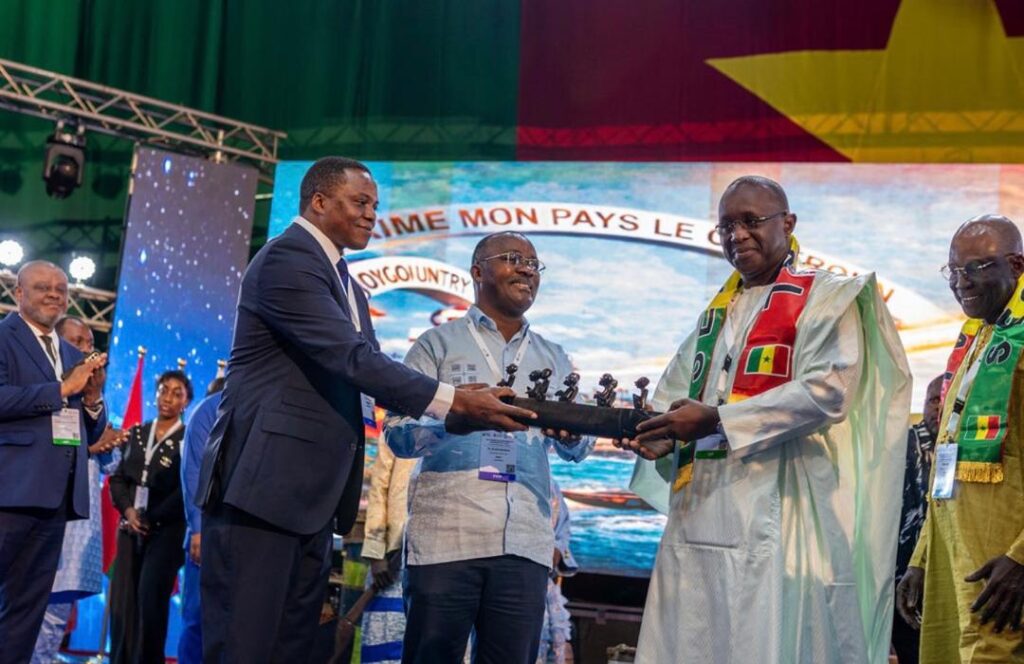
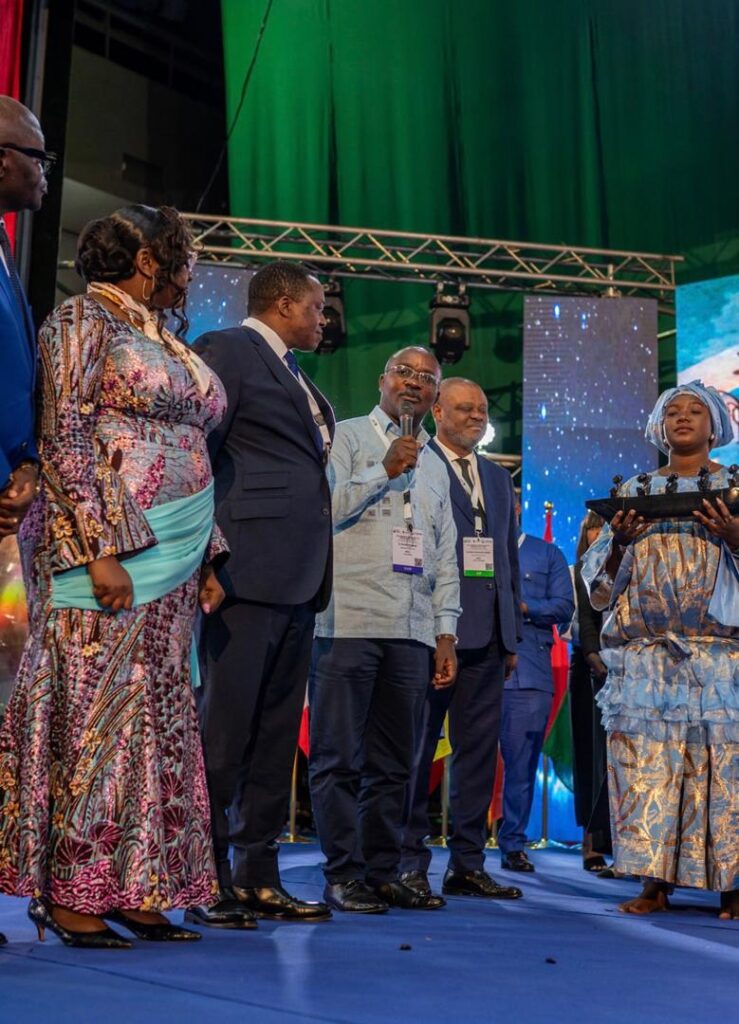
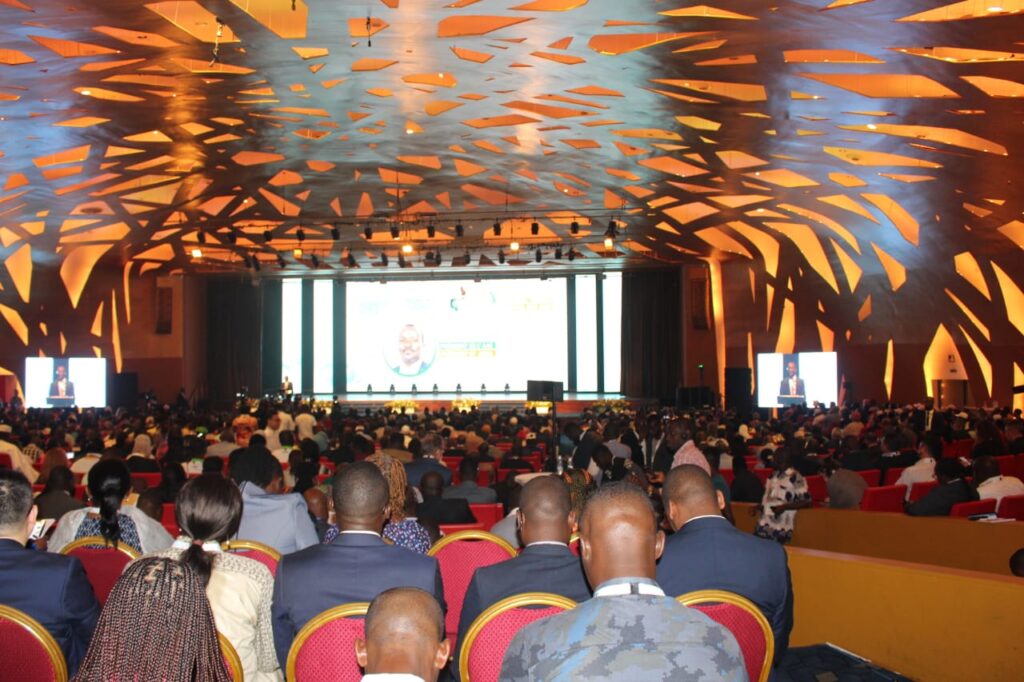
The 23rd AfWASA International Congress and Exhibition, hosted in Yaoundé with support from Cameroon authorities, gathered more than 2,500 global stakeholders under the theme “Action and Collective Effort.”
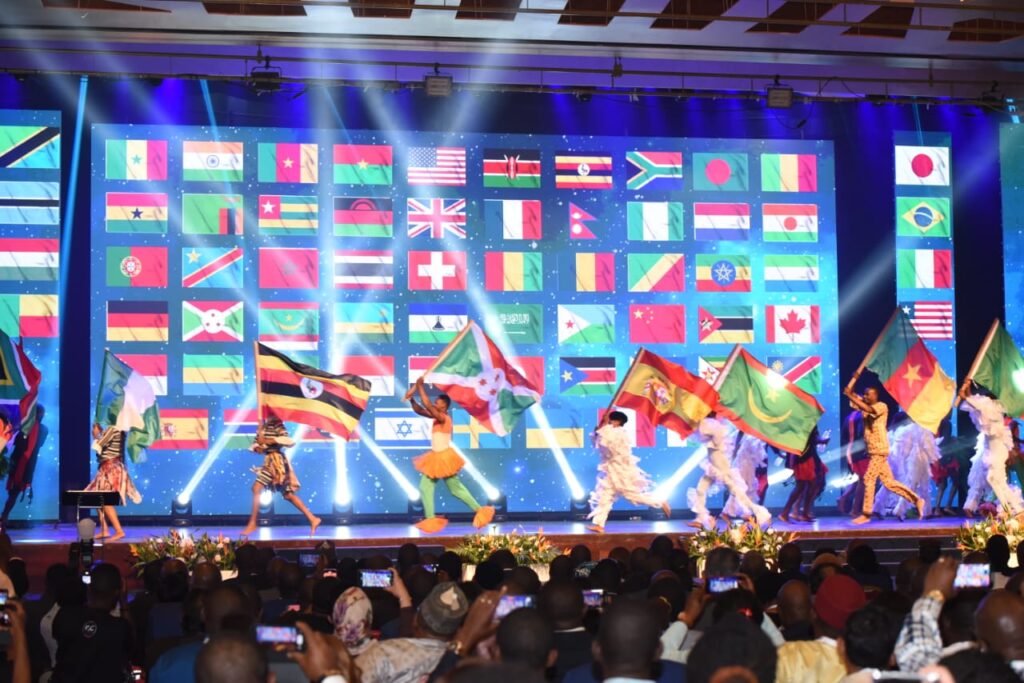
Hosted by Cameroon Water Utilities Corporation (CAMWATER) with support from the World Bank, the congress served as a key platform for advancing collaboration, investment and innovation in Africa’s water sector.
Scientific sessions focused on water security, utility performance and sanitation solutions, while a major exhibition showcased technical innovations from companies and utilities across the continent.
For Mugisha, the message was clear: universal access to water and sanitation in Africa is achievable — but only through integrated systems thinking, strong governance and sustained collective effort.