The United States Department of State and Treasury has sanctioned the three Rapid Support Forces( RSF) commanders under Executive Order 14098 and related authorities.
Those sanctioned include; Brigadier General Elfateh Abdullah Idris Adam, known among his men as “Abu Lulu,” Major General Gedo Hamdan Ahmed Mohamed, the RSF’s commander for North Darfur and Field commander Tijani Ibrahim Moussa Mohamed, or “Al Zeir Salem,”.
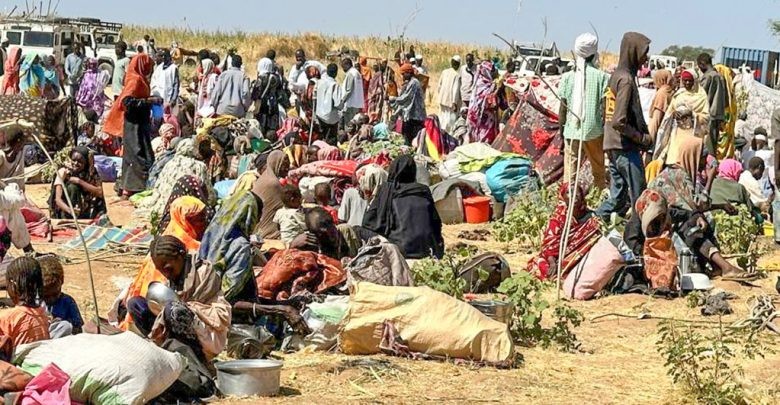
For nearly 18 months, RSF reportedly laid siege to the city of El-Fasher, choking off food, water, and hope. Civilians huddled in makeshift shelters as shells rained down, and when the RSF finally stormed the streets in October 2025, the violence erupted in a wave of horror.
Brig. Gen. Adam reportedly led one of the assault units. Witnesses later spoke of him filming executions—unarmed men lined up against crumbling walls, shot without trial. He bragged of killing thousands, his phone capturing the grim tally as proof of loyalty to the paramilitary cause. Maj. Gen. Gedo , oversaw the broader campaign, directing allied militias in widespread killings, torture, and sexual violence targeted along ethnic and tribal lines. Tijani on his part enforced the blockade that starved the population, turning famine into a weapon.
On Thursday, the US State Department statement declared: “The RSF, a paramilitary group whose members have committed genocide in Sudan,” had perpetrated “atrocities during the almost three-year conflict.” It detailed how “the RSF and allied militias engaged in a campaign of widespread killings, torture, and sexual violence in El Fasher… targeting civilians based on their ethnicity and tribal identity.” The RSF also “prevented food and other humanitarian assistance from entering the city, leading to famine and disease.”
Gen .Adam faced additional designation under Section 7031(c) for gross violations of human rights. “Idris brazenly filmed his atrocities, including executing unarmed civilians in El Fasher,” the release noted, rendering him and his immediate family ineligible for U.S. entry.
In Washington, officials emphasized the broader goal. The statement concluded: “The Trump Administration seeks a lasting peace in Sudan and an end to the world’s worst humanitarian crisis. We call on the belligerents to accept the U.S.-brokered humanitarian truce without preconditions.”
Far from the corridors of power, survivors in displacement camps whispered of justice deferred. The sanctions froze assets and severed financial lifelines, a small but symbolic blow against impunity. Yet the war ground on, and in Sudan’s fractured heart, the cries of the displaced echoed louder than any press release.