
By Nasser Kayanja
Uganda is undergoing transformation not only politically, socially, and morally, but also economically—with agriculture at the center of this change. As the backbone of the country’s economy, the agricultural sector is now shifting from traditional subsistence farming to modern smart farming practices aimed at increasing productivity and improving livelihoods.
Leading this transformation is the Prince Kimbugwe Foundation under the leadership of Executive Director Prince Edward Kimbugwe. The foundation is championing the transition from hand hoes to electric and fuel-powered machines, drawing inspiration from technologically advanced agricultural systems used in countries such as China.
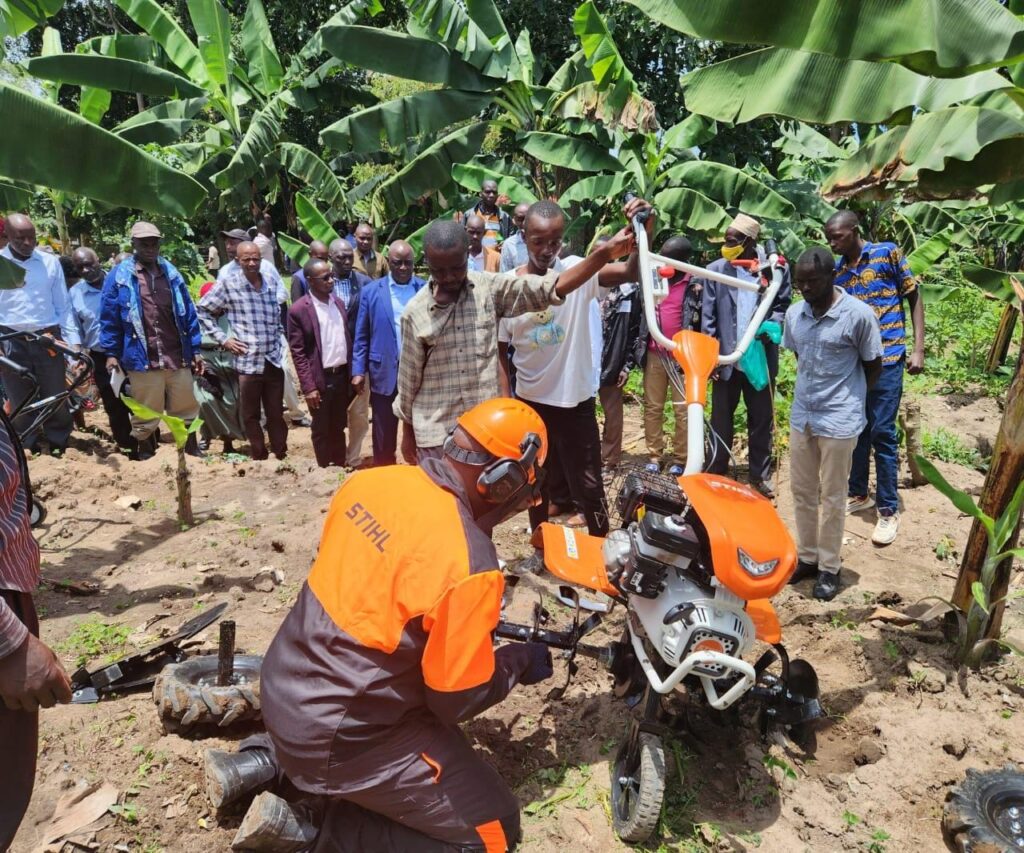
According to Prince Kimbugwe, smart agriculture significantly increases yields even on small pieces of land. He explains that a farmer utilizing modern techniques can harvest several tonnes of maize from just one hectare, generating millions of shillings in revenue—far more than what traditional farming methods typically produce.
At the foundation’s demonstration farm in Kabunyata Matembe, Luwero District, smart farming technologies are already in practice. The use of electric and fuel-powered machines for ploughing, sowing, weeding, and harvesting has reduced labor intensity while increasing efficiency and output. Less energy is applied, yet greater results are achieved.

Beyond crop production, the foundation promotes integrated farming—allowing multiple income-generating activities on the same piece of land. These include beekeeping, poultry farming, and mushroom cultivation, among others. Each activity complements the other, diversifying farmers’ income streams and enhancing sustainability.
The institute currently manages over 300 beehives. While honey harvesting remains a primary objective, beekeeping also supports pollination, boosts crop yields, and provides additional products that increase overall farm profitability.

Beneficiaries of the program testify to the life-changing impact of smart farming. One farmer shares how the introduction of E-smart farming technologies has eased labor demands while delivering higher yields in a shorter time. She highlights how mechanized systems have transformed farming from a physically exhausting activity into a profitable and manageable enterprise.
Prince Kimbugwe emphasizes that the success of smart agriculture depends not only on production but also on value addition. Processing and packaging farm products ensure farmers earn more from their harvests rather than selling raw produce at lower prices.
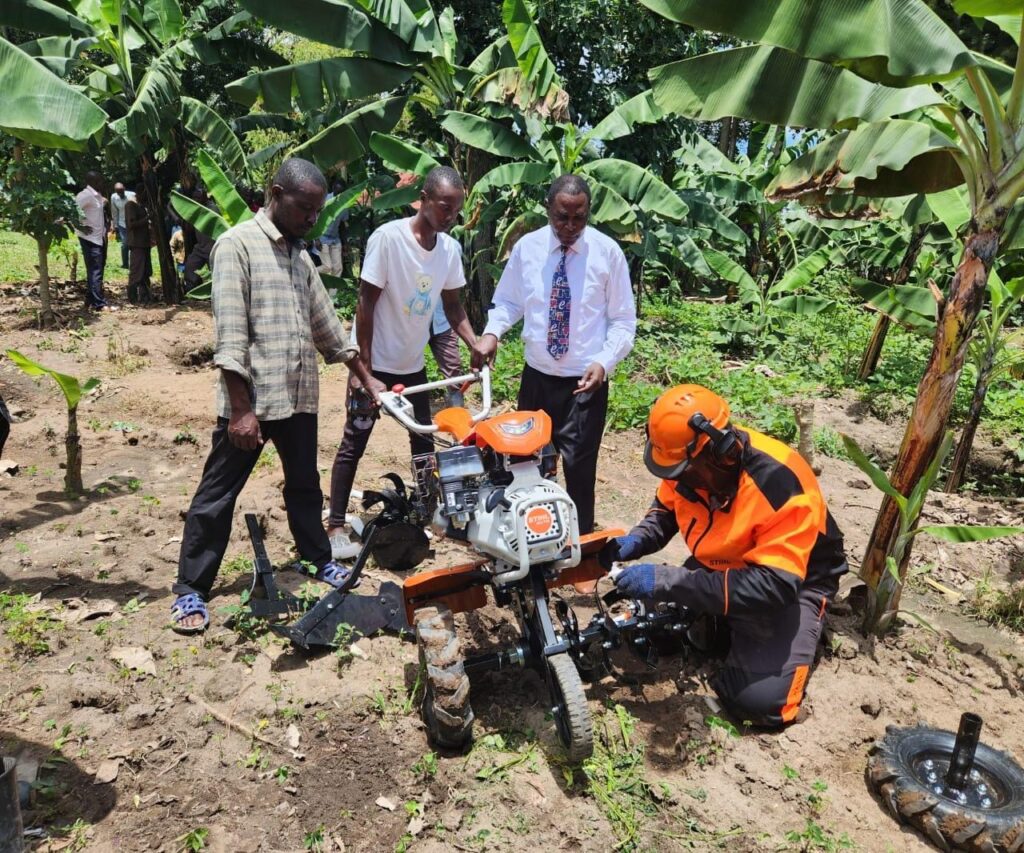
Through innovation, technology adoption, and integrated farming, Uganda is steadily redefining its agricultural future—empowering farmers, increasing productivity, and strengthening the nation’s economic foundation.