By Johannah Nantongo
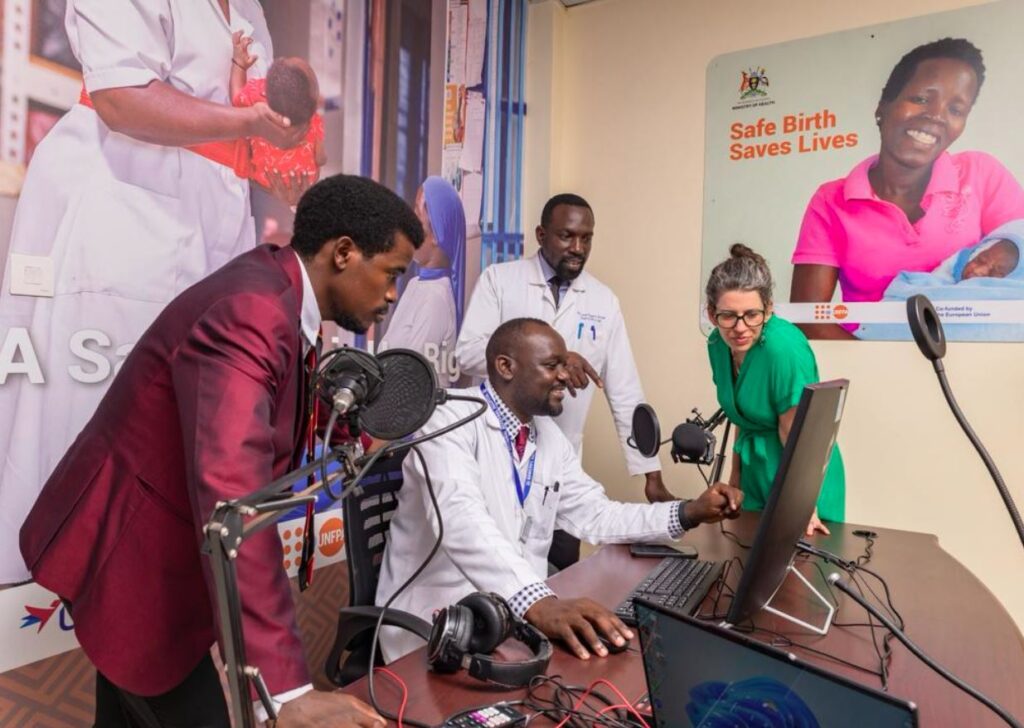
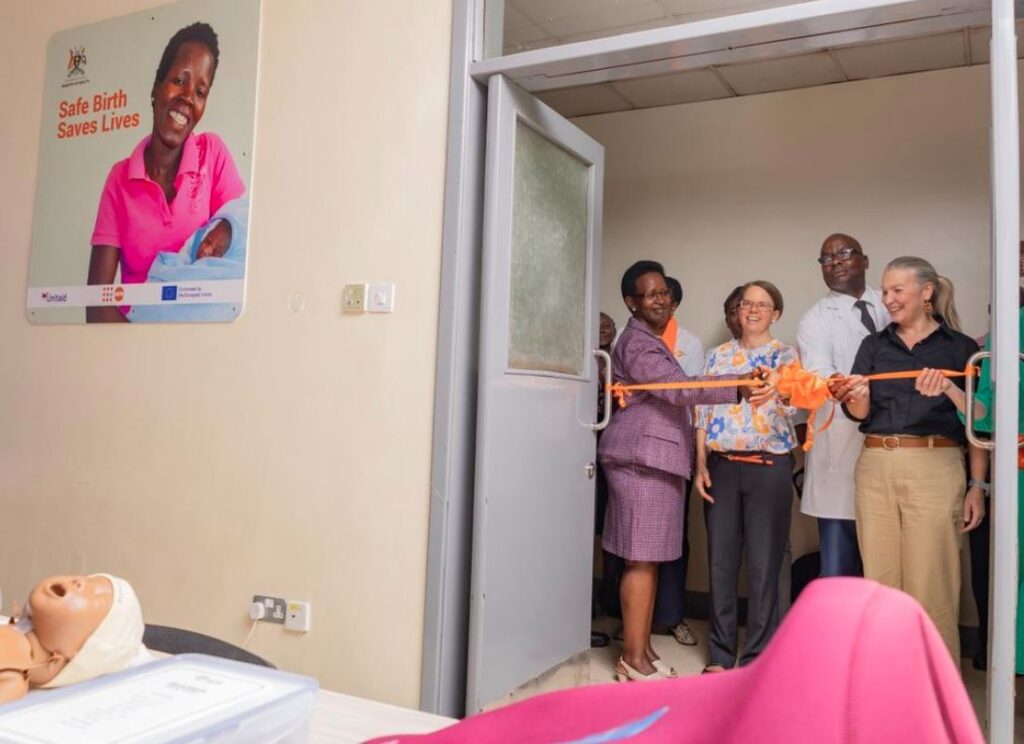
A major step forward in maternal and newborn healthcare has begun in Uganda with the unveiling of a modern Knowledge Hub at Kawempe National Referral Hospital. The new facility is expected to strengthen clinical training, harmonize standards of care, and digitally connect frontline providers with national specialists in real time.
The initiative is supported by the United Nations Population Fund (UNFPA) with financial backing from the European Union. Designed as a simulation, mentorship, and telemedicine center, the hub will act as a digital link between specialists based in Kampala and healthcare workers serving in remote districts.
Addressing a Heavy Patient Load
The development comes at a crucial moment for the busy maternity hospital, which manages hundreds of mothers and children daily. Hospital leadership reports handling dozens of deliveries every day alongside large outpatient and pediatric caseloads — many of them complex referrals from across the country.
Dr. Byaruhanga Emmanuel Kayogoza, Executive Director of Kawempe, said the hospital’s mandate extends beyond patient care to research, training, and specialized services in obstetrics, gynecology, pediatrics, neonatal medicine, adolescent health, and HIV prevention — particularly eliminating mother-to-child transmission.
According to hospital officials, the Knowledge Hub will help ensure that clinical practices are consistent nationwide. Health leaders emphasized that women in rural communities deserve the same quality of care as those treated in urban centers.
Real-Time Support for Emergencies
Through digital platforms, clinicians in district hospitals will be able to consult specialists instantly, review cases collaboratively, and access up-to-date treatment protocols. Particular focus will be placed on obstetric emergencies such as postpartum hemorrhage — a leading cause of maternal deaths in Uganda.
Officials noted that while knowledge-sharing is vital, it must be matched with adequate supplies and medicines. Training alone cannot save lives if essential drugs and equipment are unavailable
Expanding Mentorship and Telemedicine
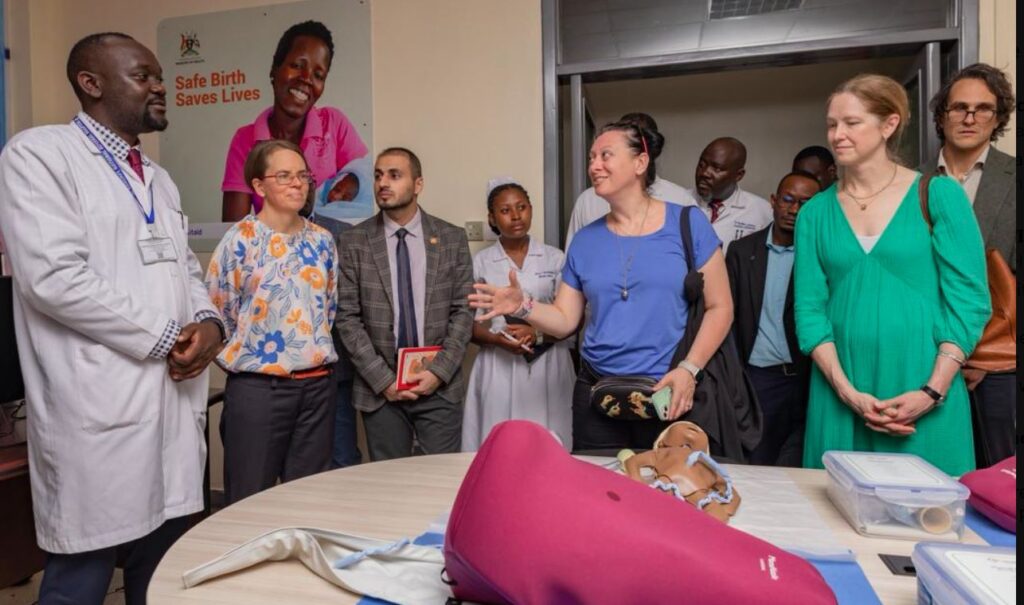
UNFPA representatives described the hub as an innovative way to strengthen mentorship and clinical confidence, especially for providers working in isolation. The system will allow peer learning, structured case reviews, and continuous professional development without requiring clinicians to leave their duty stations.
Plans are already underway to expand beyond maternity care into other areas such as surgical skills development and broader clinical governance systems.
Hospital leaders envision a future where a clinician in a rural operating theatre managing a life-threatening complication can immediately receive guidance from specialists in Kampala through telemedicine support.
Building on Past Reforms
Uganda’s Ministry of Health officials reflected on earlier reforms, including routine maternal death review meetings that helped improve accountability and outcomes over time. The new hub builds on the Learning and Mentorship Strategy first piloted at Kawempe before expanding nationally.
The European Union, marking five decades of partnership with Uganda, highlighted its continued investment in the health sector. The Knowledge Hub forms part of the Safe Birth Africa initiative, a multi-country program aimed at reducing maternal mortality through coordinated learning and innovation.
A Shift Toward Digital Health Systems
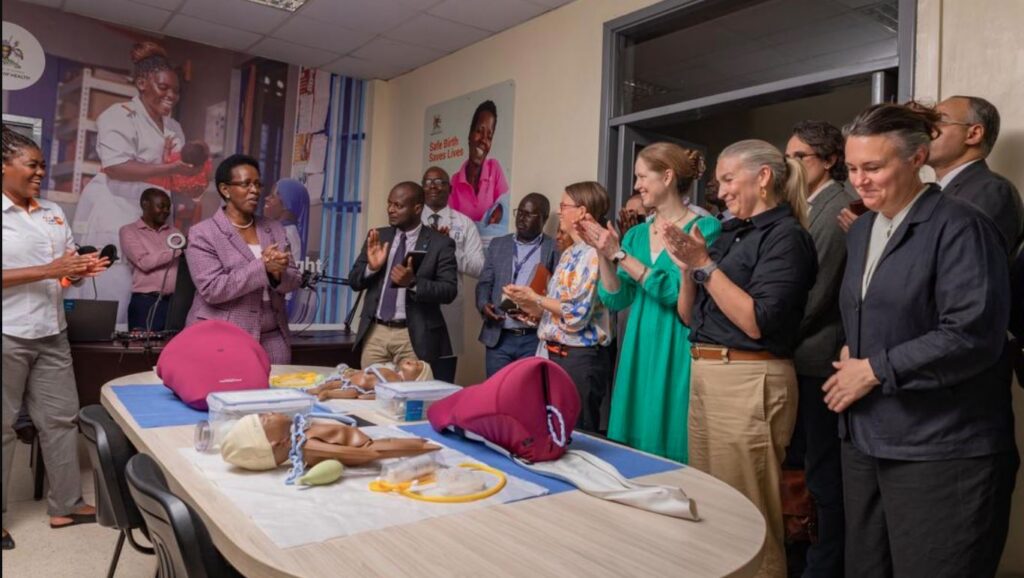
Unlike traditional training centers, the Knowledge Hub represents a broader transformation toward a digitally integrated health system. In addition to simulations and teleconferencing, locally produced training materials are being developed to support ongoing education.
If successfully scaled across Uganda, health experts believe the model could significantly reduce preventable maternal deaths, close rural–urban healthcare gaps, and strengthen emergency response systems nationwide.
Officials say the launch marks not just the opening of a new facility, but the beginning of a more connected, accountable, and learning-driven approach to maternal healthcare in Uganda.