by Buwule Joseph
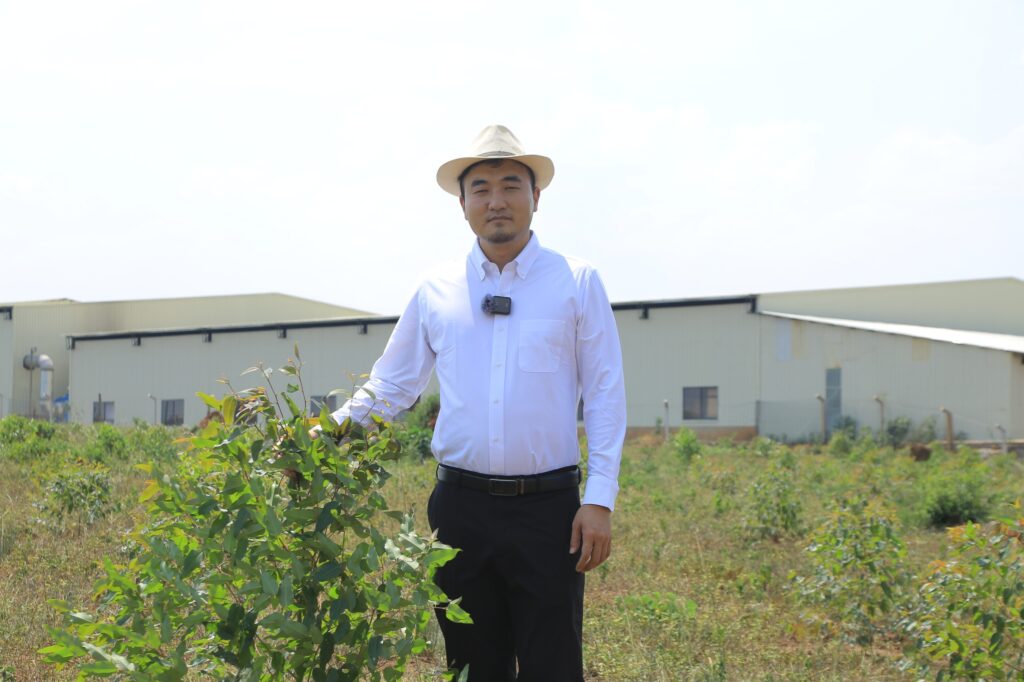
Uganda has joined the rest of the world in marking the International Day of Forests, a global observance established by the United Nations General Assembly in 2012 to highlight the critical role forests play in sustaining life and economies.
This year’s theme, “Forests and Economies,” underscores a growing recognition that forests are not merely environmental assets but powerful economic engines capable of driving sustainable development.
According to Leonidas Hitimana, Forestry Programme Team Lead at FAO Uganda, forests are central to both global and local economies. He notes that more than USD 44 trillion—over half of global GDP—depends on nature, including forests.
“From regulating water systems and stabilizing soils to supporting ecotourism, energy, and timber production, forests are fundamental to economic growth,” Hitimana explains.
Forests and Uganda’s Economic Lifeline
In Uganda, forests remain a lifeline for millions, particularly in rural communities where they provide food, herbal medicine, fuel, and income. Beyond subsistence, the forestry sector is increasingly being viewed as a viable solution to youth unemployment.
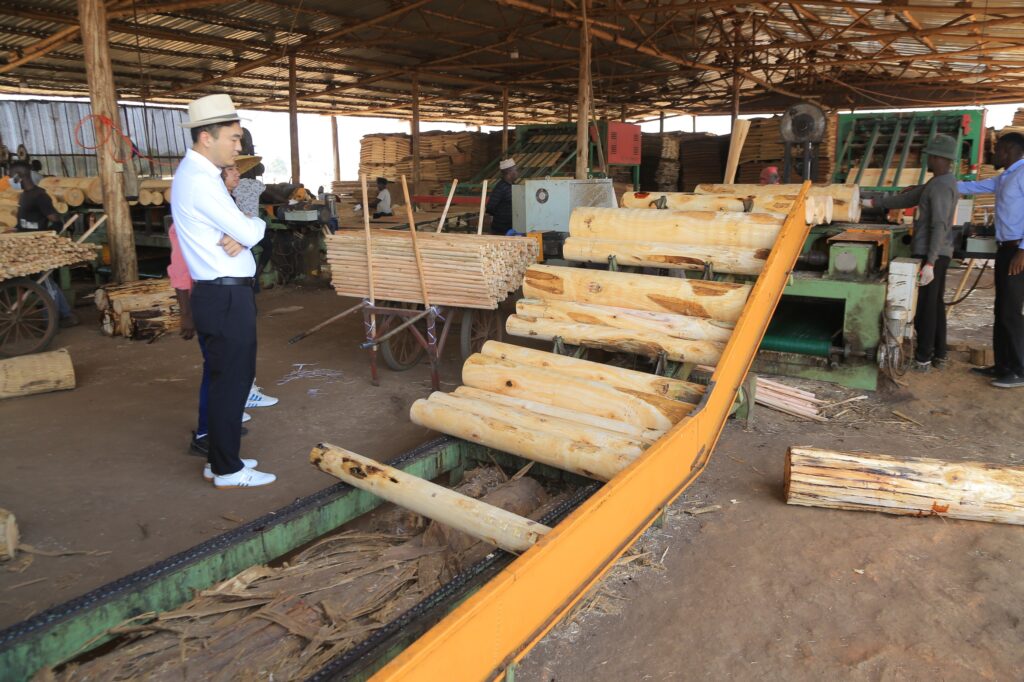
With nearly half (48.8 percent) of young people aged 18–30 seeking work, forestry presents scalable opportunities in tree nursery operations, plantation management, harvesting, and value addition activities such as sawmilling and furniture production.
However, this potential is set against a backdrop of historical loss. Uganda lost nearly a quarter of its forest cover between 1990 and 2005, a trend that prompted government reforms in the early 2000s aimed at restoring forest resources and promoting sustainable management.
A key outcome of these reforms has been the deliberate promotion of commercial forestry. Today, forest plantations are a growing pillar of the economy, attracting investments exceeding USD 400 million and positioning the sector among Uganda’s most vibrant areas of private investment.
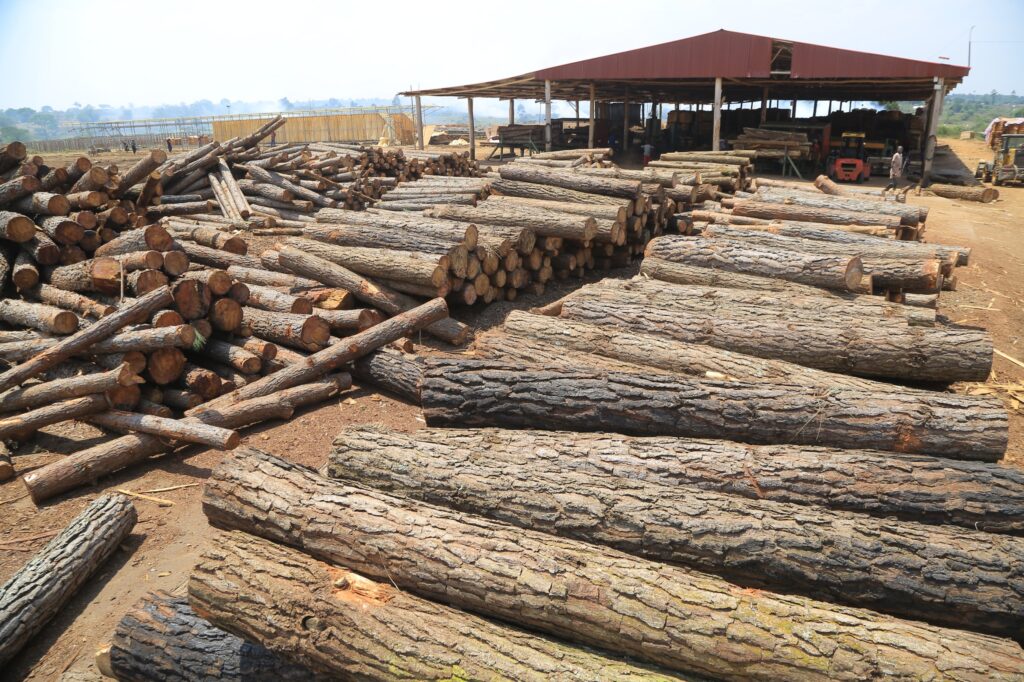
Through initiatives such as the European Union-funded Sustainable Wood-Based Value Chains project, FAO is supporting Uganda to unlock the full potential of its forestry sector—stimulating investment, creating jobs, and strengthening the country’s competitiveness in regional and global timber markets.
Untapped Wealth in Trees
Forests are also central to Uganda’s food systems and agricultural productivity. Agroforestry—the integration of trees into farming systems—has proven to improve soil fertility, boost crop yields, and diversify household incomes.
Indigenous tree species such as the shea tree present significant untapped economic opportunities. Uganda’s Nilotica shea variety, known for its superior quality, feeds into a global industry valued at over USD 2.6 billion. Experts say that with targeted investment and policy support, such products could rival traditional cash crops in economic importance.
At the same time, forests remain deeply embedded in Uganda’s energy mix. Millions of households rely on fuelwood and charcoal for cooking. The challenge, experts say, is not to eliminate demand but to meet it sustainably.
This includes establishing dedicated woodlots and promoting cleaner bioenergy alternatives such as briquettes and pellets—solutions that could meet domestic energy needs while opening doors to export markets in the growing global green economy.
The Cost of Inaction
Despite these opportunities, Uganda continues to lose an estimated 122,000 hectares of natural forest annually. The consequences are far-reaching: soil degradation, increased flooding, declining agricultural productivity, and heightened vulnerability to climate change.
These environmental impacts carry significant economic costs, threatening livelihoods and undermining long-term development.
“From supporting rural households to feeding billion-dollar global industries like timber and shea, the economic case for sustainable forest management is clear,” Hitimana emphasizes.
“The question is no longer whether Uganda can grow its forestry industry, but whether it can transform it into a driver of lasting and inclusive economic prosperity.”
Industry Speaks Out
As part of the commemorations, industry players are also stepping forward to reaffirm their role in sustainable forest management.
Shangbrice, Director of Shanglong Industry Company Limited, says forests are the backbone of their operations and a vital pillar for both livelihoods and environmental protection.
“Operating in Kyankwanzi District—an area richly endowed with forest resources—we recognize that our success as a company is closely tied to the health and sustainability of these forests,” he said.
He noted that beyond providing raw materials, forests support thousands of livelihoods across the value chain—from tree growers and transporters to factory workers.
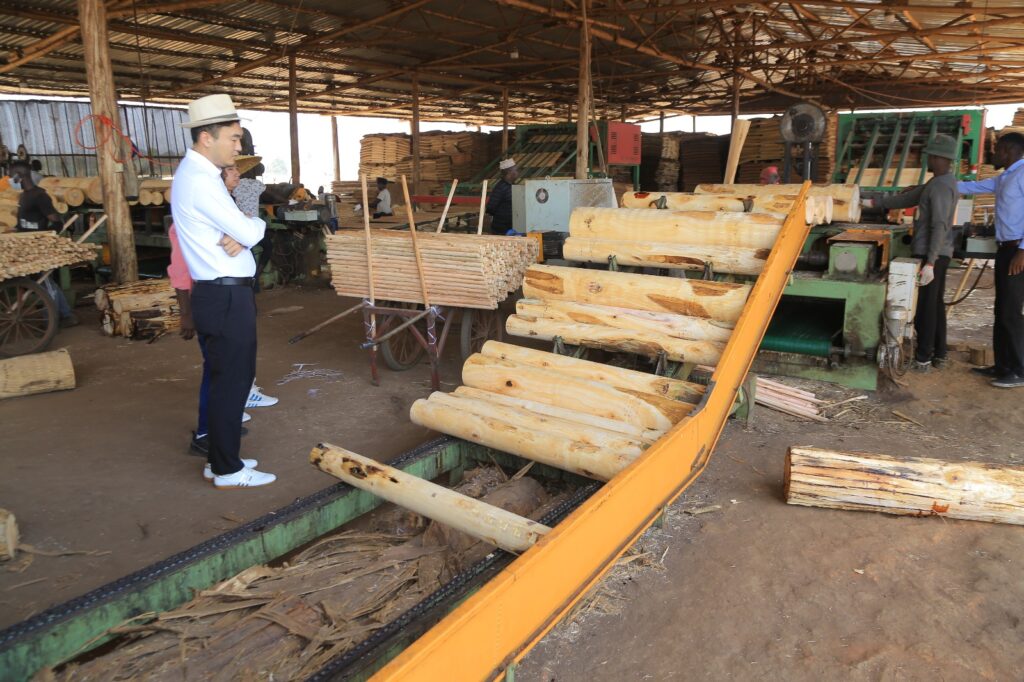
“At Shanglong, we are committed to responsible sourcing, value addition, and sustainable forest management. Through initiatives such as tree planting and working closely with communities, we aim to ensure that for every tree harvested, more are planted,” he added.
A Call to Action
Stakeholders are now calling for deliberate action to safeguard the future of Uganda’s forests. Key priorities include scaling up investment in wood processing and value addition, expanding agroforestry, promoting sustainable energy alternatives, and strengthening enforcement against deforestation.
As Uganda marks the International Day of Forests, the message is clear: balancing economic growth with environmental conservation is not optional—it is essential.
With coordinated efforts from government, the private sector, and communities, Uganda has an opportunity to build a resilient green economy—one that protects its forests while delivering prosperity for generations to come
