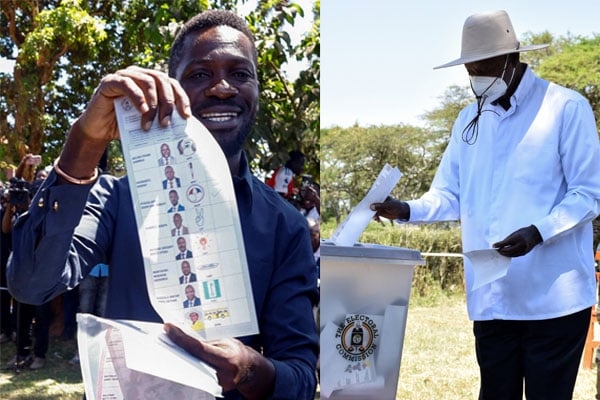
Members of the European Parliament have called for an independent and impartial investigation into crimes against humanity allegedly committed by the Kampala regime.
During parliament’s Thursday plenary session, the members questioned the credibility of Uganda’s January 15 General Election which they said was marred by abuses, widespread intimidation, fraud, violence and a nationwide internet blackout.
During the debate whose resolution was adopted by 514 votes in favour, three against with 56 abstentions, the MEPs condemned the widespread intimidation and detention of the opposition members in the East African nation and called for an end to violence and for comprehensive political reform.
“Parliament strongly condemns the conduct of the Ugandan elections on 15 January 2026, which were marred by abuses, widespread intimidation, fraud, violence and a nationwide internet blackout. MEPs are deeply concerned about the suspension of civil society groups as well as the significant threats and intimidation directed at the opposition, including National Unity Platform (NUP) leader and presidential candidate Robert Kyagulanyi (Bobi Wine) and long-standing opposition figure Dr Kizza Besigye,” reads part of the statement issued by Elodie Laborie, a Press Officer for the European Parliament, specializing in foreign affairs and human rights.
According to her, the European Parliament called for the immediate and unconditional release and of all opposition supporters arbitrarily detained.
“MEPs urge the Ugandan authorities to stop resorting to military trials against civilians and ask for constitutional safeguards in judicial practices as well as for the disclosure of the whereabouts of all missing persons in the country,” Ms Laborie added.
She said the MEPs’ resolution urges the Ugandan authorities to undertake comprehensive electoral and institutional reforms and refrain from further internet restrictions.
“They ask for the EU and its member states to review their cooperation with Uganda to ensure respect for EU principles, engage critically with Ugandan authorities, and prioritise support for Ugandan civil society, human rights and LGBTIQ+ defenders, and journalists,” she added.
Several opposition supporters were arrested on different charges during the tense polls held under an internet shutdown.
President Museveni, 81, was officially declared the winner of Uganda’s 2026 presidential election with 7,946,772 (71.65 per cent) of the votes cast, securing his seventh five-year term in office and extending his rule to 45 years since he first came to power in 1986.
His main challenger, Mr Robert Kyagulanyi, also known as Bobi Wine finished second after polling 2,741,238 (24.72 per cent) of the votes.
Mr Museveni’s 7.9 million votes represent approximately 36.7 per cent of all registered voters in the country, with a population of 45.9 million people, according to the 2024 National Population and Housing Census.
Mr Museveni’s son, Gen Muhoozi Kainerugaba, who acts as the country’s military chief in a series of posts on X last month, said authorities had killed at least 30 NUP supporters he described as terrorists and they were hunting for Mr Kyagulanyi whom he said is wanted “dead or alive.”
Following the election marked by significant tension and international scrutiny, Mr Kyagulanyi’s whereabouts are unknown after he escaped from his home in Magere following a night military raid on January 16. Security operatives have since remained deployed at his home after he rejected the poll results as fake. His wife, Barbie Itungo, also reported being assaulted by military officers who broke into their house at night.
The government imposed a countrywide internet shutdown starting days before the vote, which authorities claimed was necessary to prevent misinformation and fraud.
While the African Union (AU) and other regional monitors noted the Election Day was relatively calm compared to 2021, they also highlighted reports of intimidation, arrests, and abductions that “eroded public trust”.