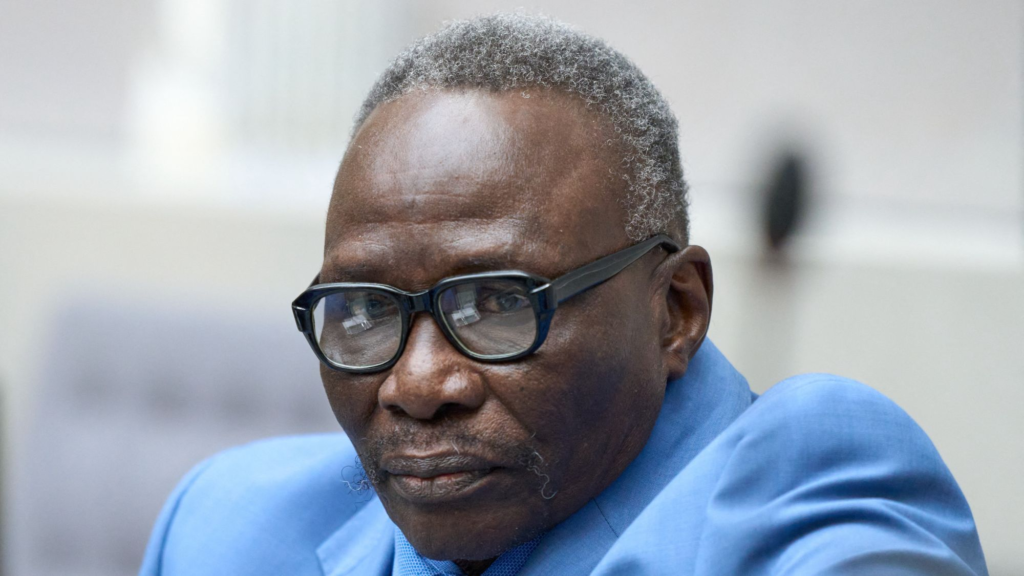
The International Criminal Court (ICC) has sentenced former Sudanese militia commander Ali Muhammad Ali Abd-Al-Rahman widely known as Ali Kushayb to 20 years in prison for war crimes and crimes against humanity committed during the height of the Darfur conflict more than two decades ago.
The ruling marks the first ever ICC sentencing for atrocities committed in Darfur and is seen as a landmark moment for survivors who have waited years for justice.
Abd-Al-Rahman, 76 was convicted in October on 27 counts including murder, rape, torture, persecution, pillage and the forcible displacement of civilians in towns and villages across West Darfur between 2003 and 2004. The judges concluded that he exercised direct command over Janjaweed fighters and personally participated in some of the killings.
In delivering the decision, presiding judge Joanna Korner said the court found that Abd-Al-Rahman not only gave orders that led directly to the crimes but also personally perpetrated them. Evidence presented during trial included witness accounts describing him bludgeoning detainees to death and overseeing mass executions.
Prosecutors had pushed for a life sentence, calling him an axe murderer responsible for some of the conflict’s most brutal acts. The judges instead imposed a single 20-year term covering all charges, a punishment observers say is effectively a life sentence given his advanced age.
The Darfur conflict, which erupted in 2003, left more than 300,000 people dead and displaced millions. Entire villages were burned, civilians were massacred and widespread sexual violence was used as a weapon of war. Many victims who testified before the ICC said today’s ruling is the closest they have come to accountability.
International rights groups welcomed the decision. Human rights advocates say the sentencing sends a powerful message at a moment when Sudan is again engulfed in conflict. Fresh violence in Darfur in recent years has raised fears of a return to large scale atrocities, making the ICC’s ruling a reminder that perpetrators even decades later can still be held to account.
Despite the landmark conviction, many senior commanders and political figures accused of directing atrocities in Darfur remain at large. The ICC continues to pursue several outstanding warrants, though ongoing instability in Sudan complicates further arrests.