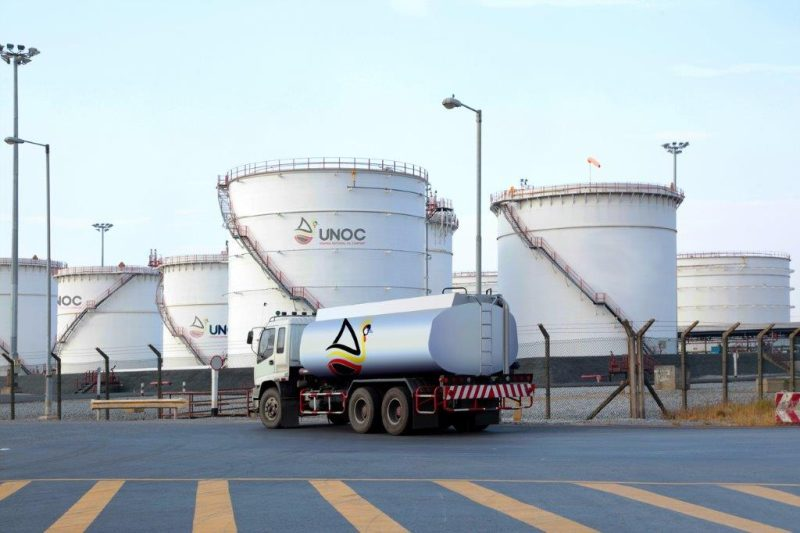
Uganda’s energy and infrastructure ambitions have received a major boost after the Uganda National Oil Company (UNOC) secured financing worth about Shs7.5 trillion to accelerate the development of key national projects.
The funding, equivalent to up to US$2 billion, follows Parliament’s approval of a commercial financing arrangement between UNOC and Vitol Bahrain E.C., a global energy and commodities trading firm. The facility is structured to support UNOC’s long term investment programme over a period of several years.
According to information presented to lawmakers, the financing will be channelled into strategic petroleum, storage and logistics infrastructure aimed at strengthening Uganda’s fuel security and reducing supply vulnerabilities. Priority investments include the development of new fuel storage facilities in Namwabula, Mpigi District, the expansion of the Jinja petroleum terminal and participation in regional pipeline infrastructure to improve the movement of refined petroleum products into the country.
Government officials say the projects are intended to lower the cost of fuel imports, stabilise supply across the country and position Uganda as a regional petroleum storage and distribution hub. The investments are also expected to complement ongoing oil and gas developments and support broader industrial growth.
UNOC officials told Parliament that the financing arrangement gives the national oil company greater capacity to execute capital intensive projects without relying solely on government budget allocations. They noted that the funds will be deployed gradually in line with project readiness and commercial viability.
“This financing strengthens UNOC’s ability to invest in infrastructure that is critical for national energy security and long term economic development,” officials indicated during parliamentary deliberations, adding that the projects will be implemented under strict governance and accountability frameworks.
The approval comes at a time when Uganda is scaling up investments across the energy value chain from upstream oil production to downstream storage and distribution. Analysts say the move signals a shift towards commercially backed financing models to unlock large scale infrastructure in an increasingly constrained global funding environment.