By Buwule Joseph
The Ministry of Gender, Labour and Social Development has launched a nationwide monitoring and evaluation exercise targeting homes that care for children with disabilities, aimed at enforcing compliance with the law, improving living standards, and eliminating unregistered or substandard facilities.
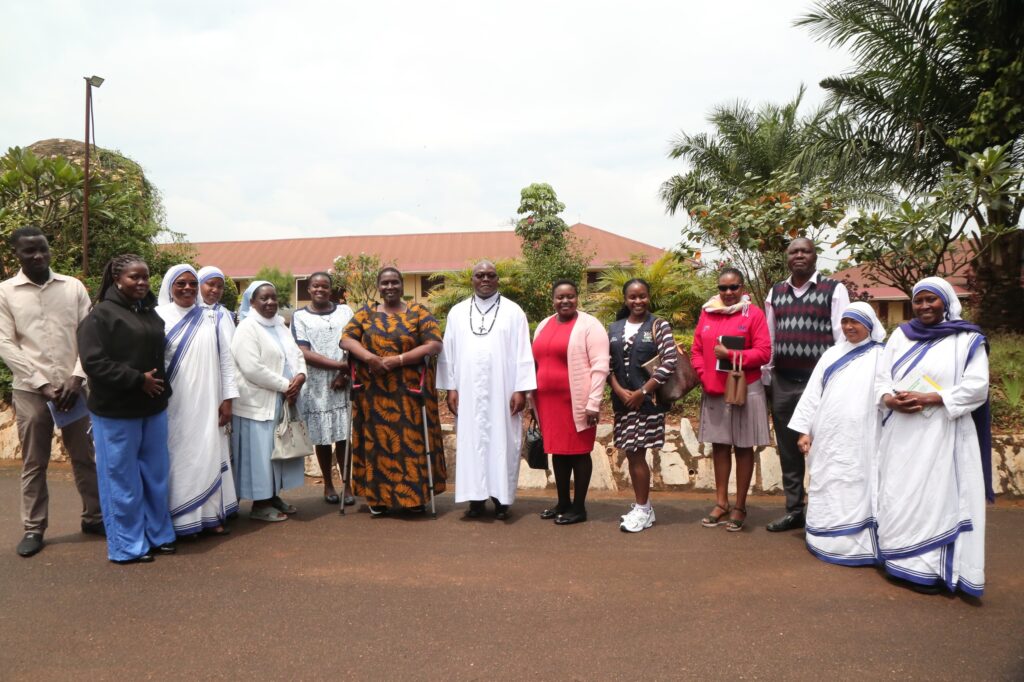
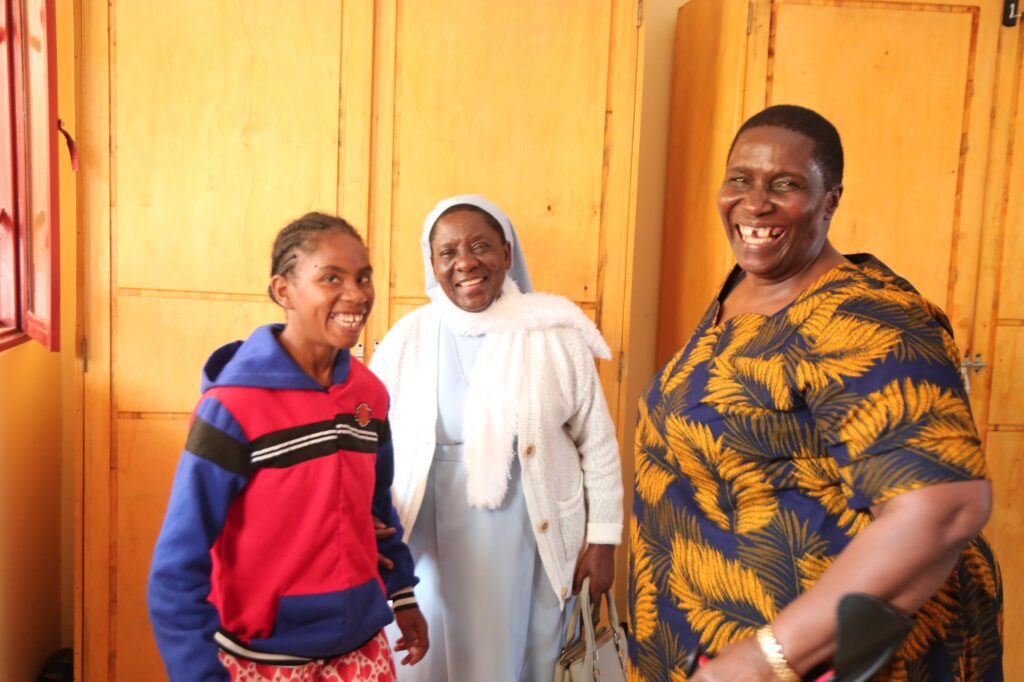
The exercise was officially launched in Namugongo by the Minister of State for Disability Affairs, Hellen Grace Asamo, at the Missionaries of Charity, Namugongo, one of the long-established institutions providing care to children with disabilities.
According to the Ministry, the monitoring drive focuses on homes that lack proper registration, operate below the required minimum standards, or unlawfully mix adults with minor children living with disabilities—an arrangement prohibited under existing child protection laws.
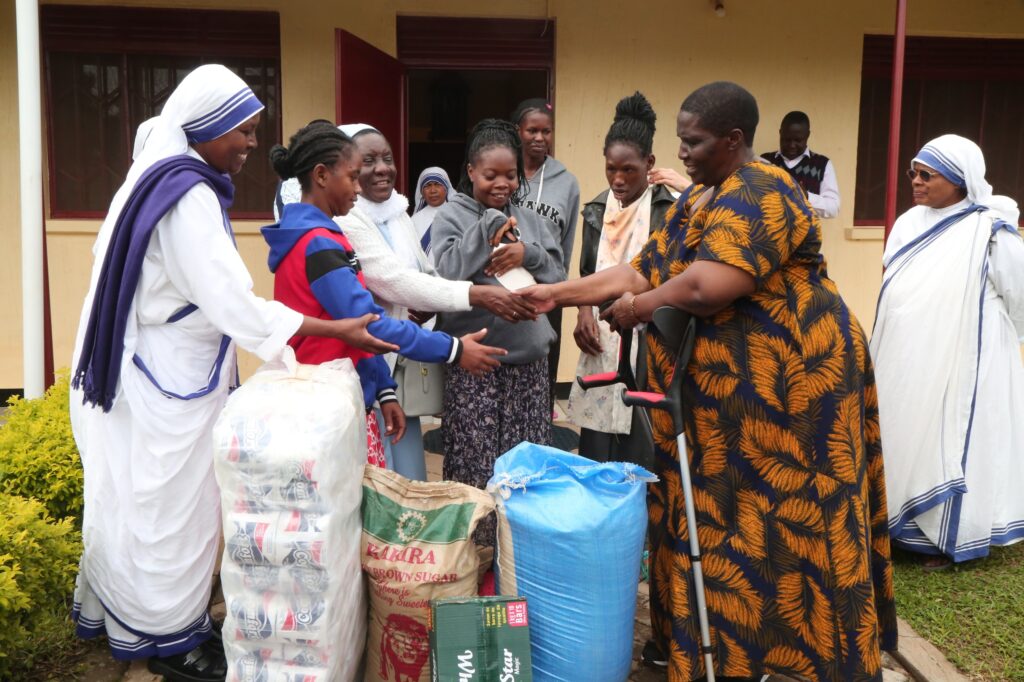
While launching the exercise, Asamo commended the Missionaries of Charity for their commitment to caring for vulnerable children, noting that their work complements government efforts to promote dignity, safety, and inclusion for persons with disabilities.
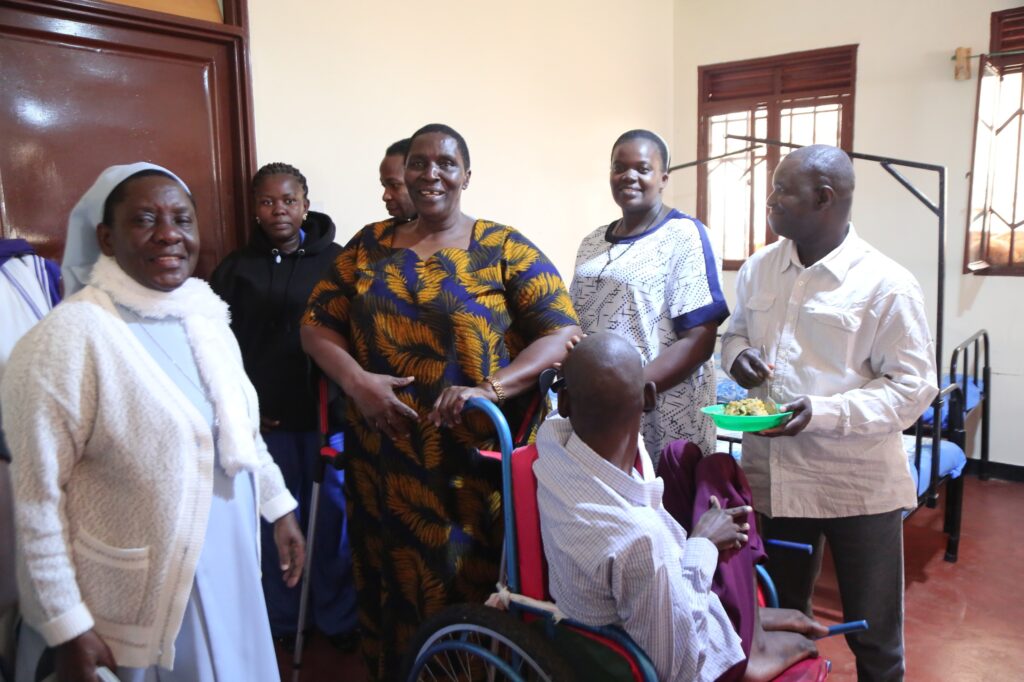
She reaffirmed government’s commitment to supporting compliant charity homes through the Government Disability Grant, stressing that facilities that meet the required standards will continue to receive financial and technical support. The minister emphasized that the objective of the exercise is not punitive, but corrective and supportive.
“This exercise is meant to help homes improve their standards, protect children, and ensure that the rights of children with disabilities are fully respected,” Asamo said.
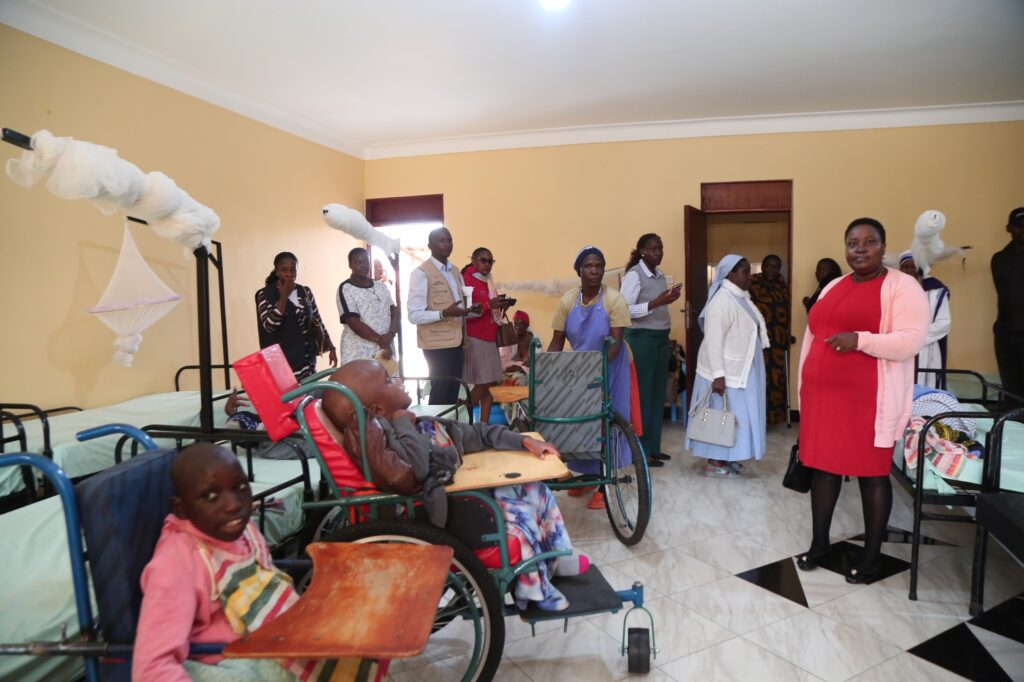
However, the Missionaries of Charity highlighted persistent challenges, particularly limited space and funding constraints. The institution appealed to well-wishers and development partners for additional support, saying there is a growing need to expand facilities to cater for children with disabilities who have grown into adulthood while under their care.
Sr. Euphrasia Masika, a senior child protection practitioner and national programme director with extensive experience in child welfare, noted that although many homes are overwhelmed by space limitations, the law does not permit adults to continue living alongside younger children. She called for coordinated support to help institutions transition older residents into appropriate adult care facilities.
Officials from the Ministry acknowledged that the separation of adults and minors remains one of the biggest challenges facing charity homes across the country. They reiterated that keeping adults and children together exposes minors to potential risks and contravenes laws designed to protect children.
The Ministry said the ongoing monitoring and evaluation exercise will continue nationwide and is intended to improve standards of living, ensure safety, and promote dignity for children with disabilities in all charity homes across Uganda.
END