By Joseph Mary Buwule
KARAMOJA – The Food and Agriculture Organization of the United Nations (FAO) is strengthening efforts to promote sustainable livestock production in the Karamoja sub-region through targeted training and capacity-building initiatives aimed at improving rangeland management and fodder production.
According to FAO Uganda, healthy rangelands are essential for building resilient livestock systems, particularly in pastoral communities where livestock production remains a major source of livelihoods and food security.
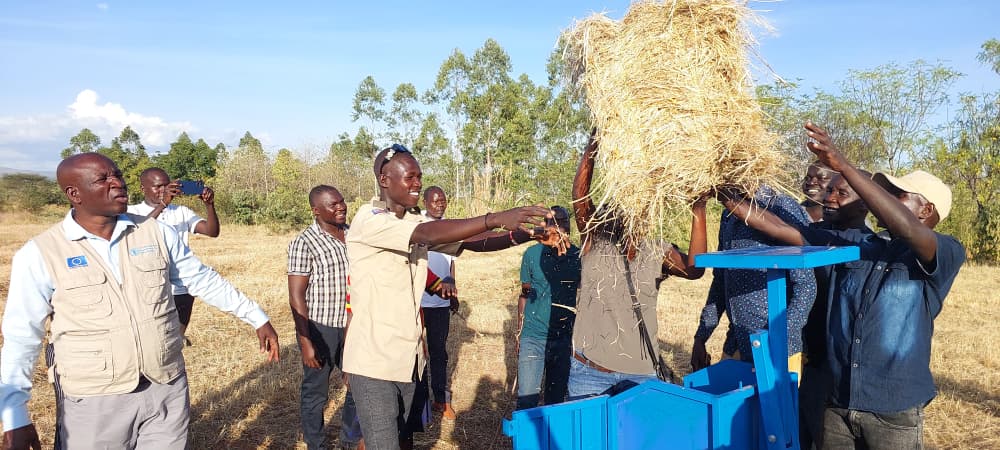
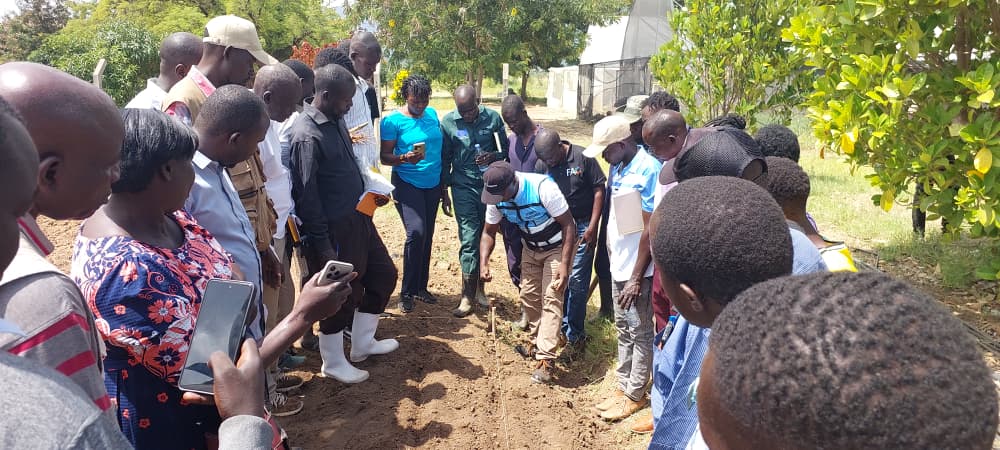
Through the Pastoral and Livestock Adaptation to Climate Extremes (PLACE) Project, FAO is equipping livestock producers and extension workers in Karamoja with practical skills in pasture establishment, fodder conservation, and commercial fodder production. The initiative is designed to enhance the availability of quality livestock feed throughout the year while reducing the effects of climate-related challenges such as prolonged droughts and pasture degradation.
The training focuses on helping farmers establish improved pastures, preserve fodder for use during dry seasons, and explore fodder production as a commercial enterprise. By strengthening local capacity in these areas, the project aims to increase livestock productivity, improve household incomes, and support long-term environmental sustainability.
Karamoja, which is predominantly a livestock-rearing region, has faced recurring climate shocks that have affected pasture availability and livestock health. FAO believes that investing in sustainable rangeland management practices will not only improve animal nutrition and productivity but also enhance the resilience of pastoral communities against future climate extremes.
The PLACE Project is part of broader efforts to support climate-smart agriculture and sustainable livestock development in Uganda. By empowering producers and extension workers with modern livestock management skills, the initiative is expected to contribute significantly to food security, economic growth, and the sustainable use of natural resources in the region.
FAO continues to work closely with local communities, government agencies, and development partners to promote innovative solutions that strengthen agricultural resilience and improve livelihoods across Uganda.