By Joseph Kiggundu
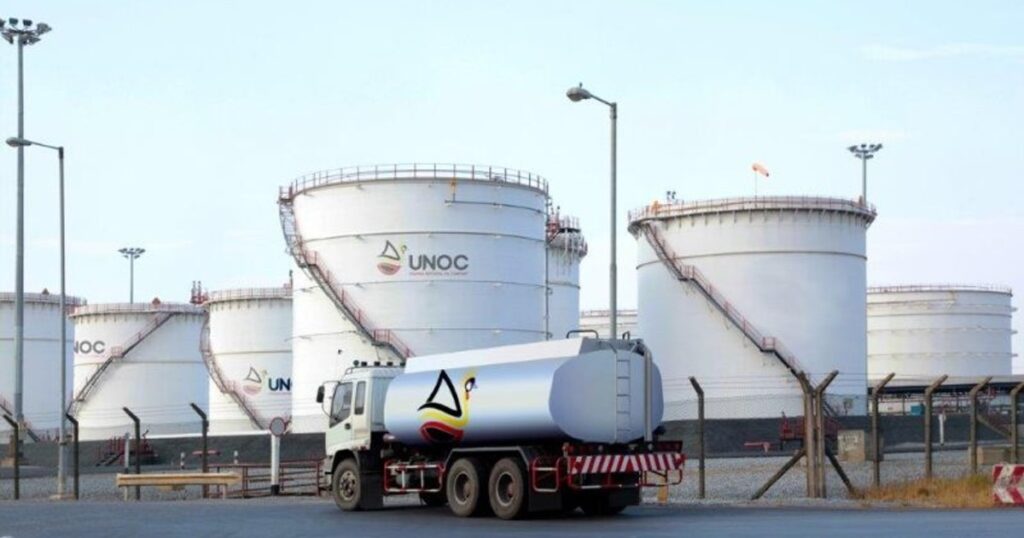
KAMPALA — The Government of Uganda has attributed the stability of the Uganda shilling and improved fuel supply security to the country’s state-led petroleum import programme managed by the Uganda National Oil Company (UNOC) in partnership with global energy trader Vitol.
While presenting the national budget for the 2026/27 financial year, Finance Minister Henry Musasizi said the bulk fuel procurement system has played a significant role in protecting the economy from global fuel market disruptions while ensuring a steady supply of petroleum products across the country.
According to Musasizi, the arrangement has minimized fluctuations in domestic fuel prices compared to several countries in the region that continue to experience sharp price swings due to international market uncertainties.
The minister noted that centralizing fuel imports under UNOC has also reduced pressure on the foreign exchange market by limiting speculative demand for the US dollar, a factor that has contributed to the continued strength of the Uganda shilling.
He said Uganda’s foreign exchange reserves increased substantially over the past year, rising from $3.6 billion to a record $6 billion by March 2026. The growth was attributed to sound economic management, increased export earnings, tourism revenues, foreign direct investment, remittances and reforms in key sectors, including petroleum.
Fuel remains one of Uganda’s largest import expenditures, with the country consuming between 2.3 billion and 2.5 billion litres annually at an estimated cost of about $2 billion. The sector is also one of the biggest drivers of demand for foreign currency.
The bulk import system, introduced in July 2024, placed UNOC in charge of sourcing petroleum products under a long-term agreement with Vitol. The move replaced the previous model in which multiple oil marketing companies independently imported fuel.
Government officials argue that the centralized approach has improved efficiency, enhanced fuel security and reduced volatility in foreign exchange demand.
Official figures indicate that by the end of 2025, UNOC had imported more than 3.3 billion litres of fuel and generated approximately $150 million in trading margins for the government. The company has been importing an average of 240 million litres of petroleum products every month.
The arrangement has also strengthened UNOC’s financial performance. The latest Auditor General’s report shows that the state oil company recorded a net profit of Shs359.7 billion in the financial year ending June 2025, a significant turnaround from a loss of Shs3.8 billion recorded the previous year.
Government officials say the partnership with Vitol provides Uganda with access to global fuel supply chains, financing opportunities and regional storage facilities, allowing the country to secure more favourable procurement terms while maintaining reliable supplies.
In addition, UNOC and Vitol recently concluded a $2 billion financing agreement aimed at supporting strategic petroleum infrastructure projects. These include the expansion of fuel storage facilities, upgrades to the Jinja petroleum terminal, extension of the refined products pipeline from Kenya into Uganda and refinery-related developments.
As Uganda advances preparations for commercial oil production, officials view the bulk fuel import programme as a key pillar of the country’s energy strategy. Beyond generating revenue for the state, they say the initiative has improved energy security, eased pressure on the foreign exchange market and strengthened overall economic stability.
Musasizi expressed confidence that the Uganda shilling will remain stable despite continuing global economic uncertainties, citing the country’s strong reserve position and ongoing economic reforms.