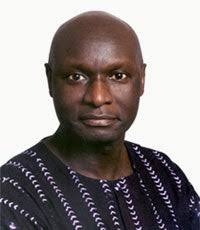
KAMPALA. The Ugandan government has quietly nominated the former opposition presidential candidate and Uganda Peoples Congress (UPC) stalwart Olara Otunnu for the world’s most prestigious diplomatic office, Secretary General of the United Nations.
Official documents obtained by this publication show Uganda formally submitted Otunnu’s candidature to the United Nations on July 24.
A day later, General Assembly President Annalena Baerbock and Security Council President Zénon Mukongo Nga circulated the nomination to all 193 member states, formally placing Uganda in the race to succeed António Guterres when his second and final term ends in December 2026.
The nomination has not yet been publicly announced in Kampala.
Speaking to this publication , Uganda’s Permanent Representative to the United Nations, Ambassador Adonia Ayebare, confirmed that Uganda had submitted Otunnu’s nomination and supporting documents.
“The official government announcement will be made on Monday. Let’s wait for that time for details,” Ayebare said.
Otunnu’s nomination is remarkable not because of his credentials, they are among the strongest of any Ugandan diplomat, but because of his political history.
A respected international civil servant, Otunnu served as Uganda’s Minister of Foreign Affairs under President Milton Obote before joining the United Nations, where he became the organisation’s first Special Representative for Children and Armed Conflict from 1998 to 2005.
Returning home after his U.N. service, he entered frontline politics and became one of Museveni’s most prominent critics.
He contested the presidency in 2011 under the Uganda People’s Congress, accusing the ruling National Resistance Movement of democratic backsliding and calling for sweeping political reforms.
He later remained active in opposition politics, often criticising the government’s governance and human rights record.
Against that backdrop, Kampala’s decision to sponsor Otunnu for the highest office in the United Nations represents an unexpected convergence of national and political interests, suggesting that his international stature ultimately outweighed past domestic political differences.
Neither the nomination documents nor government officials explain how the decision was reached.
Should Otunnu ,75 succeed, Uganda would achieve something no East African country has accomplished since the founding of the United Nations in 1945 by producing the organisation’s Secretary General.
The office is the highest ranking position in international diplomacy, placing its holder at the centre of global peace negotiations, humanitarian responses, climate diplomacy and multilateral governance.
While the Secretary General serves all member states rather than the country of origin, the position carries considerable diplomatic prestige. It raises a country’s international profile, expands its diplomatic influence and often strengthens its voice in multilateral negotiations.