By Joseph Kiggundu
KAMPALA — Ugandans will no longer have to maintain separate identification numbers for national identification and taxation under a new government arrangement that will make the National Identification Number (NIN) the Tax Identification Number (TIN) for individual taxpayers.
The change was announced on Tuesday, September 1, 2026, by ICT and National Guidance Minister Justine Kasule Lumumba following a Cabinet decision to integrate the two identification systems.
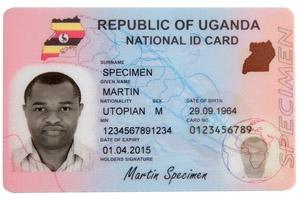
The move means that the NIN issued by the National Identification and Registration Authority (NIRA) will serve both as a personal identification number and a tax identification number.
Instead of obtaining one number from NIRA and another from the Uganda Revenue Authority (URA), individual taxpayers will use their NIN when accessing tax-related services.
What happens to existing TIN holders?
People who already have a URA-issued TIN should not rush to abandon it or apply for a new one.
The government has been working to connect existing URA taxpayer records with national identification details. In May 2026, URA asked taxpayers to update their registration information and link their tax records to their NINs.
The exercise is intended to ensure that existing taxpayer accounts are correctly matched with their national identity details before the new system becomes fully operational.
What if you have no TIN?
For an individual who does not have a URA TIN, the new arrangement is expected to make registration easier.
Once the system is operational, the individual’s NIN will serve as the TIN, eliminating the need to obtain a separate number from URA.
This means that a Ugandan with a valid NIN will be able to use the same number for both identification and individual tax purposes.
Will the National ID card become a TIN?
No.
The National ID remains the physical document used to prove a person’s identity. The NIN is the unique number assigned to that individual.
It is the NIN, rather than the physical National ID card, that will also function as the individual’s TIN.
What about businesses?
The Cabinet decision specifically concerns individual taxpayers and does not eliminate the separate identification arrangements for businesses.
Registered businesses have their own registration identities, including Business Registration Numbers (BRNs). Taxpayer records can therefore be linked using a NIN for individuals or a BRN for registered entities, depending on the taxpayer.
Why is government making the change?
The integration is intended to reduce duplication in government registration systems and improve the quality of taxpayer information.
Officials expect the use of a single identity number to make tax registration and administration easier, improve information sharing between government agencies and reduce inconsistencies in taxpayer records.
The government also expects the integrated system to strengthen tax compliance and help curb revenue leakages by giving authorities more accurate information about individual taxpayers.
For ordinary Ugandans, the biggest change will be simple: one NIN will serve both as the national identity number and the tax identification number.