By Joseph Mary Buwule
LUWEERO, UGANDA — An integrated approach to planning water supply, sanitation and solid waste management has delivered measurable improvements in the small towns of Kakoge and Wobulenzi in Luweero District, demonstrating how coordinated planning can address challenges that are often worsened by fragmented service delivery.
The interventions were implemented under the Water Behaviour Change and Environmental Sanitation (WABES) Project, a four-and-a-half-year research and development initiative implemented from 2022 to October 2026.
The project brought together researchers, local governments, communities, water utilities and government institutions to develop practical and evidence-based solutions to challenges affecting water quality, sanitation and solid waste management.
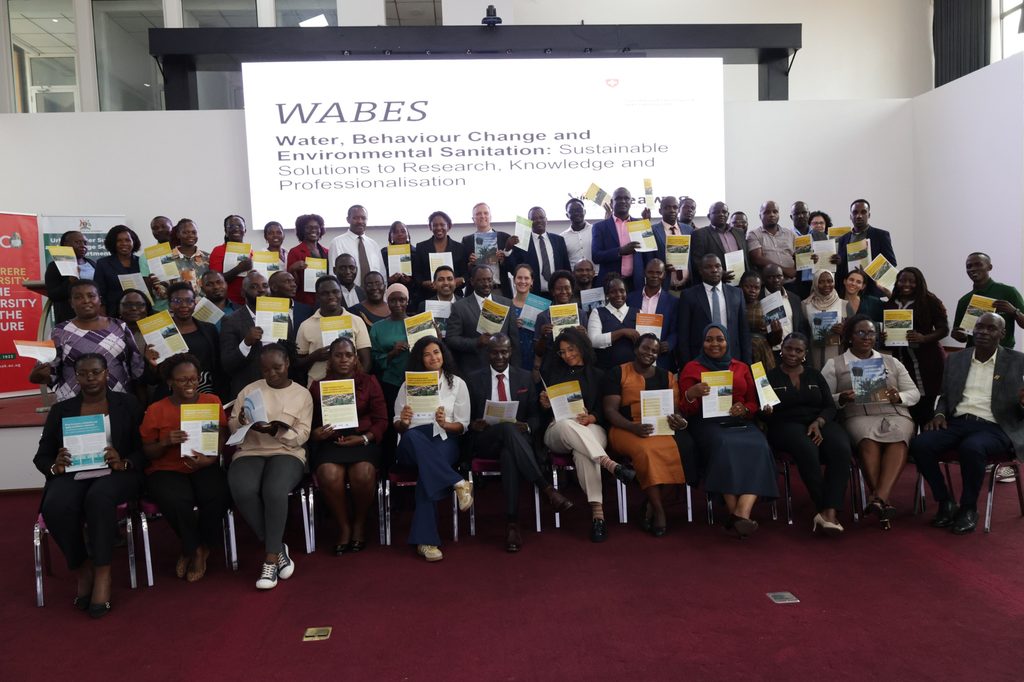
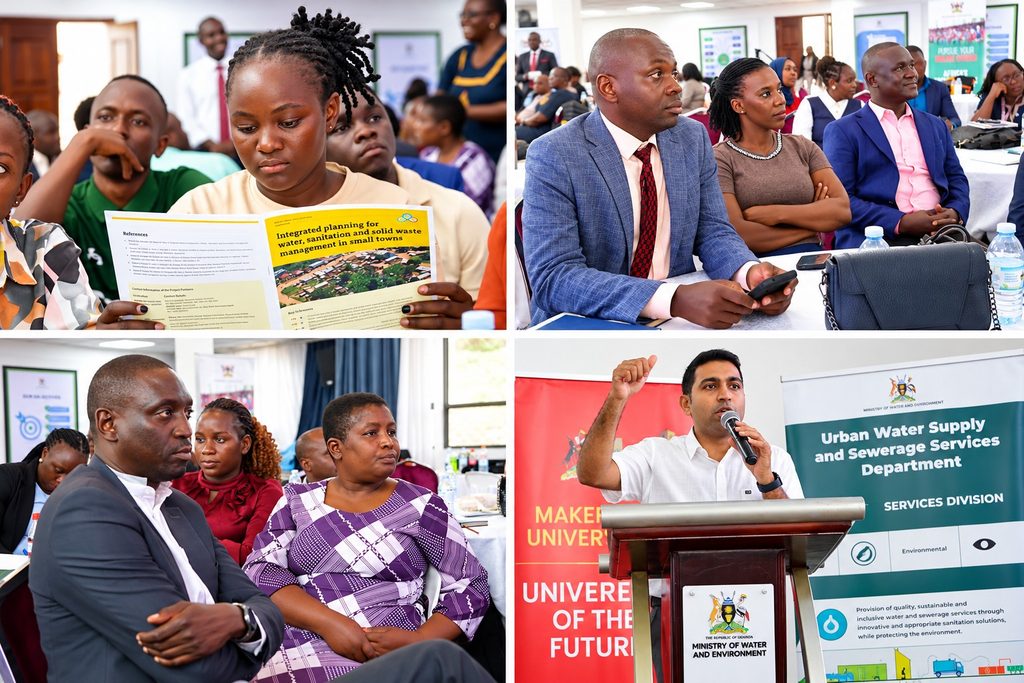
The closing workshop, held to disseminate the project’s findings, lessons and policy recommendations, highlighted the need for Uganda to move away from siloed planning and instead integrate the three interconnected services.
Researchers warned that poor sanitation, unmanaged solid waste and inadequate water management can reinforce one another, contributing to water contamination, flooding, public health risks and inefficient use of limited resources.
Evidence-based planning
Professor Charles Nuwagaba, the Ugandan Principal Investigator from Makerere University’s College of Engineering, said the project was particularly significant because it focused on small towns, which are experiencing rapid population growth but often have limited financial and technical resources.
Nuwagaba said his 26 years of research experience had largely focused on metropolitan areas, making the work in smaller urban centres a valuable learning experience.
He explained that rapidly growing small towns often respond to problems as they emerge rather than working from comprehensive plans covering water, sanitation and solid waste management.
“We sat together with them and worked out how to integrate the planning and implementation of these services,” Nuwagaba said.
The project team worked with local authorities and communities to identify the most pressing challenges and develop solutions based on evidence collected from the two towns.
The proposed interventions were then ranked and designed to allow implementation in phases, recognizing that local governments have limited resources.
Nuwagaba said this approach enabled the towns to move from reactive responses to evidence-informed planning, with interventions capable of being implemented incrementally as resources become available.
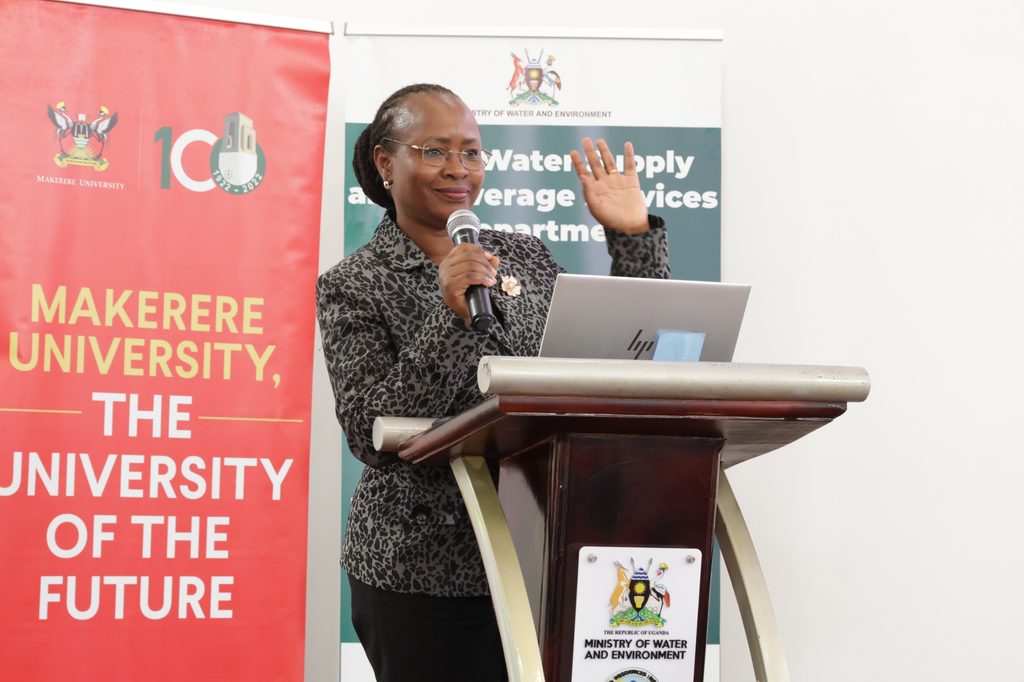
Prof. Sarah Ssali-Makerere University Deputy Vice Chancellor
Kakoge landfill upgraded
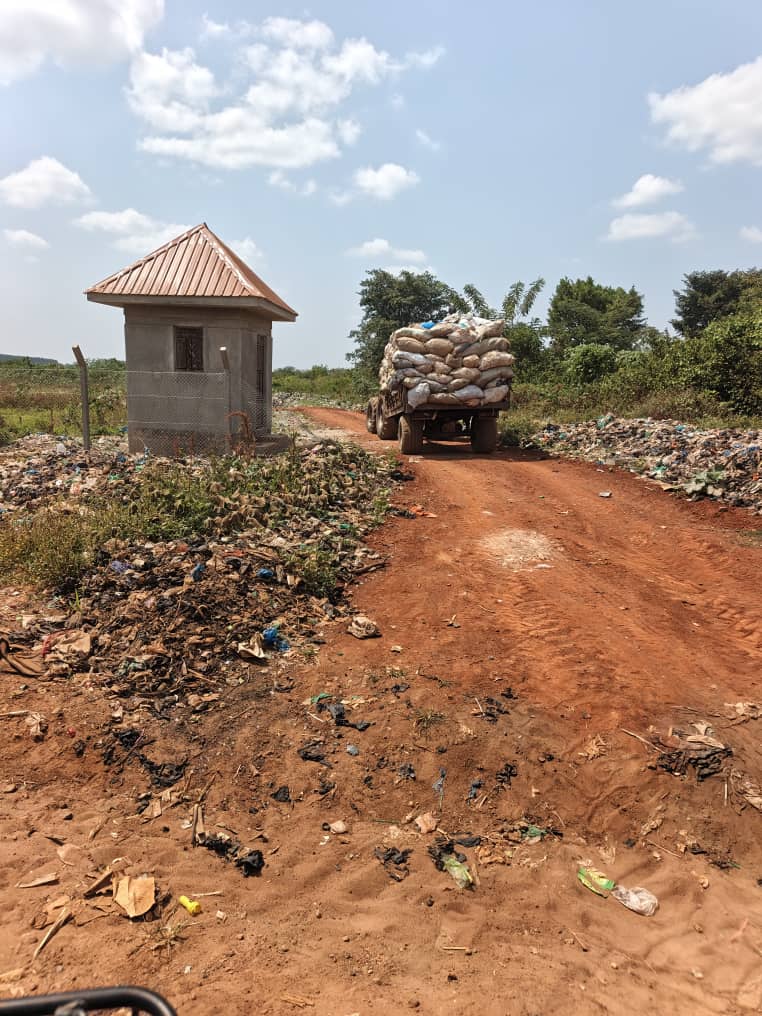
One of the major interventions was the improvement of the solid waste disposal site in Kakoge.
The site had previously become difficult to access during rainy seasons, forcing some residents to dispose of waste along roads.
Under the project, the dumpsite was upgraded, improving accessibility and management, including during periods of heavy rainfall.
The project also examined the composition of solid waste generated in the town and found that approximately 80 percent was organic material.
Based on this finding, household composting units were introduced in areas generating large quantities of organic waste.
The intervention has reduced the volume of waste requiring collection and transportation to the disposal site, easing pressure on the town council’s limited waste-management resources.
Low-cost water treatment
The project also addressed water-quality challenges in Kakoge, particularly the lack of adequate residual chlorine at household points of consumption.
A low-cost chlorination system was introduced using dissolving chlorine tablets.
According to Nuwagaba, the system has reduced the workload of water-system operators, who previously had to climb elevated tanks to manually carry out chlorination.
The new arrangement allows chlorination to be incorporated into the water-supply system, making the process more efficient and safer.
Improving household sanitation
Sanitation was another major concern identified in Kakoge.
Researchers found that many households were using sanitation facilities that made safe emptying and transportation of faecal sludge difficult, despite the presence of a nearby faecal-sludge treatment facility.
The project responded by introducing and promoting low-cost sanitation options that can be emptied and connected to appropriate treatment services.
The intervention is expected to increase access to safely managed sanitation while encouraging households to adopt facilities that are compatible with existing faecal-sludge management systems.
Wobulenzi water interventions
In Wobulenzi, the project supported communities that lacked access to safely piped water and depended on potentially unsafe sources.
Some underground water sources were protected to improve their safety for communities relying on them.
The project also installed a water disinfection system designed to address residual chlorine challenges.
The system generates chlorine from ordinary table salt using solar energy, providing a low-cost approach to water disinfection.
Sanitation transforms school enrolment
One of the most striking outcomes was recorded at a school in Wobulenzi where inadequate sanitation and hygiene had contributed to declining enrolment.
The project installed a low-cost pour-flush or channel toilet system together with a wash area.
Unlike conventional flush toilets that require flushing after every use, the system is operated periodically, reducing water requirements while maintaining improved sanitation.
Nuwagaba said the intervention contributed to an increase in school enrolment by more than two times.
Improved sanitation and hygiene conditions, he said, have increased parents’ confidence in sending their children to the school.
Behaviour change and community awareness
Beyond physical infrastructure, the project also invested in what researchers described as “software” interventions.
These included community sensitisation through radio talk shows, community meetings, technical training and engagement with local leaders.
The objective was to ensure that communities understood the importance of protecting water sources, managing waste properly and maintaining sanitation facilities.
Nuwagaba said the combination of infrastructure and behavioural change had placed water, sanitation and solid waste management services in the two towns on an upward trajectory.
Although the project has formally ended, he said Makerere University and its partners would continue seeking opportunities to support the towns and build on the gains achieved.
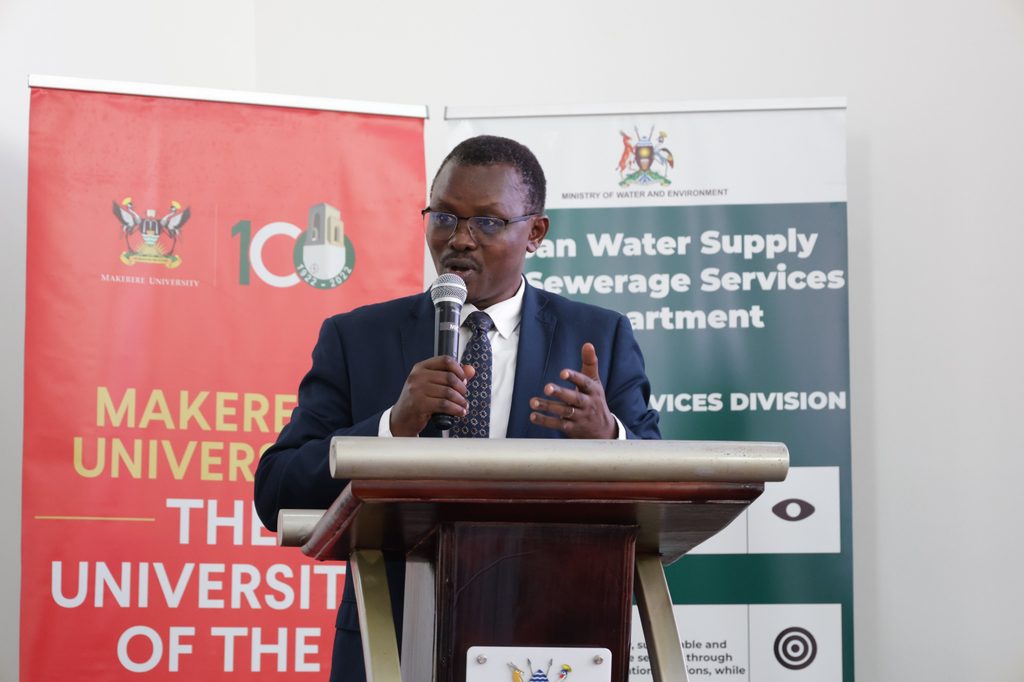
Prof. Charlse B Nuwagaba -Makerere University- Deputy P.I Wabes project
Makerere pledges continued research support
Representing Makerere University Vice Chancellor Professor Sarah Ssali, university officials said the WABES project aligned strongly with Makerere’s strategic emphasis on research, internationalisation, innovation, commercialisation and stronger university-industry partnerships.
Prof. Sarah Ssali who is also Makerere University deputy vice Chancellor Academic Affairs noted that the project had generated scientific outputs, trained students and provided researchers with opportunities to work directly with communities.
The university also highlighted the project’s contribution to competence-based education by providing students and researchers with practical experience in real-world communities.
The project produced more than 40 knowledge products, including research outputs, policy materials, an integrated baseline assessment and an integrated planning framework for water, sanitation and solid waste management in small towns.
Makerere University said the findings could contribute to Uganda’s efforts to achieve the Sustainable Development Goals, particularly those relating to clean water and sanitation, sustainable cities, health and environmental protection.
The university also praised the project’s focus on Kakoge and Wobulenzi, saying research and development should extend beyond major urban centres to smaller and rapidly growing communities.
Ministry calls for research findings to be implemented
Representing the Permanent Secretary of the Ministry of Water and Environment, Alfred Okot Okidi, Lillian Idrakua said Uganda still faced significant challenges in achieving safely managed water and sanitation services.
She said access statistics can appear considerably better when water quality is not considered, highlighting the need for greater attention to the safety of water at household level.
Idrakua warned that Uganda’s progress towards the Sustainable Development Goals remained challenging and called for research findings to be translated into practical interventions.
She questioned who would implement the recommendations emerging from research projects if the findings remained confined to reports and academic publications.
She urged universities, government institutions and development partners to strengthen collaboration between research institutions and implementing agencies.
According to Idrakua, Uganda also needs stronger research and development departments within public institutions to identify practical challenges and work with researchers to develop solutions.
She further called for greater collaboration in sharing scientific equipment and laboratory facilities, noting that some institutions lack the infrastructure and technical capacity needed to undertake advanced research.
She cited the National Water Quality Reference Laboratory as an example of a facility that could support collaborative research, noting that it is accredited to international laboratory standards.
Swiss partners call for integrated planning
The project’s Swiss partners said the initiative demonstrated the importance of treating water, sanitation and solid waste management as interconnected services rather than separate sectors.
The project principal investigator from the Swiss partner institution Dr. Chris Luthi said the research examined how the provision of the three services could be improved through better integration.
Specific areas included more efficient water chlorination, improved solid waste collection and source separation, and better sanitation and faecal-sludge management.
The researcher said Uganda’s rapidly growing small towns should not be viewed only as challenges but also as opportunities for economic growth.
Urban growth, he noted, is an important driver of development, but governments must ensure that basic services grow alongside populations.
Water, sanitation and solid waste management, he said, form the backbone of healthy and productive urban centres.
From research to policy and investment
The project’s closing workshop also emphasised that the ultimate measure of success should not simply be the number of reports or research papers produced, but whether evidence is used to influence policy, attract investment and improve people’s lives.
The Ministry of Water and Environment said it would continue supporting collaboration among government agencies, universities, development partners, local governments and communities to promote sustainable and climate-resilient water and sanitation services.
The ministry also pledged to facilitate technical engagement around the project’s recommendations, including opportunities for financing, capacity development and knowledge sharing.
A model for other small towns
The WABES experience in Kakoge and Wobulenzi provides a potential model for other rapidly growing small towns across Uganda.
Instead of addressing water supply, sanitation and solid waste as isolated problems, the project demonstrated the value of assessing the entire service chain and developing interventions that complement one another.
From upgraded waste disposal infrastructure and household composting to low-cost water disinfection, improved sanitation facilities, source-water protection and community sensitisation, the interventions show how relatively modest investments can generate wider benefits when guided by local evidence.
The project’s partners now hope that the lessons from Kakoge and Wobulenzi will inform planning in other small towns and contribute to Uganda’s long-term efforts to achieve universal access to safely managed water, sanitation and solid waste services.
As Professor Nuwagaba noted, the end of the project does not mark the end of the research agenda.
Makerere University and its partners intend to continue pursuing research, partnerships and resources to build on the achievements and support the expansion of evidence-based water, sanitation and environmental management solutions across Uganda.