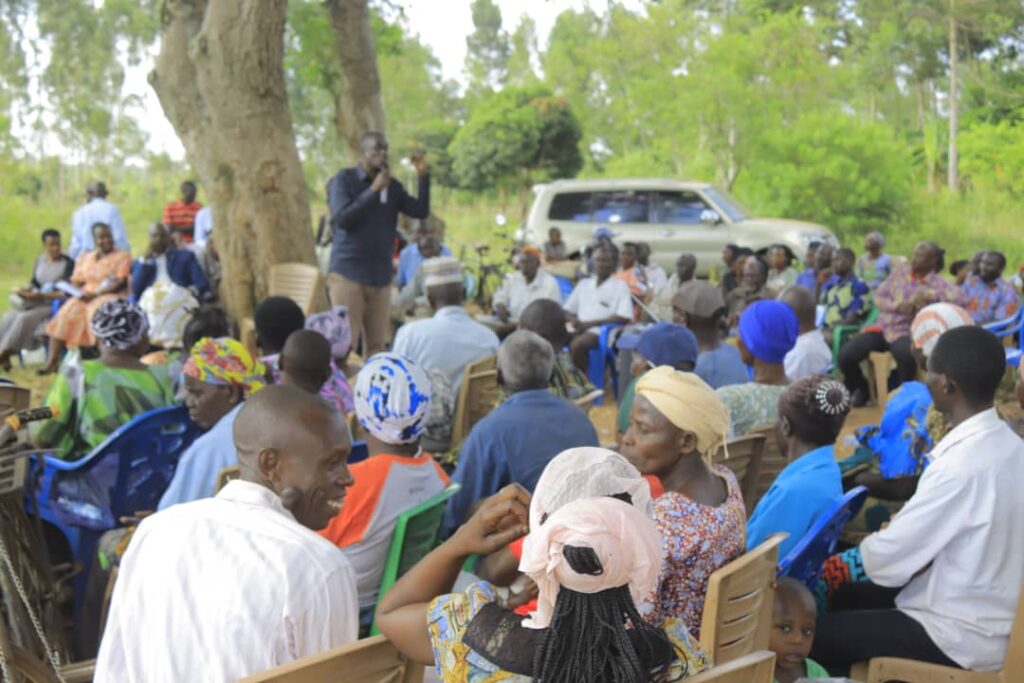
The Government, working through the National Planning Authority, has introduced a revamped bottom-up planning model designed to enhance local development under the Parish Development Model (PDM). The framework was launched in Bukujju Parish, Kayunga Sub-county, during a meeting attended by PDM focal representatives from the Buganda region.
The approach, inspired by the principles of Musevenomics, aims to strengthen development planning at grassroots level, ensuring national priorities are shaped by the everyday realities of communities.
Dr. Edward Katende, CEO of the Uganda Development Forum, said the system is meant to help citizens take charge of their own planning and budgeting right from the parish.
“When PDM started, the intention was to help households plan, save and invest,” Dr. Katende noted. “We have spent the last three years focusing on family-level development, and now we are expanding that effort to the parish so communities can progress collectively.”
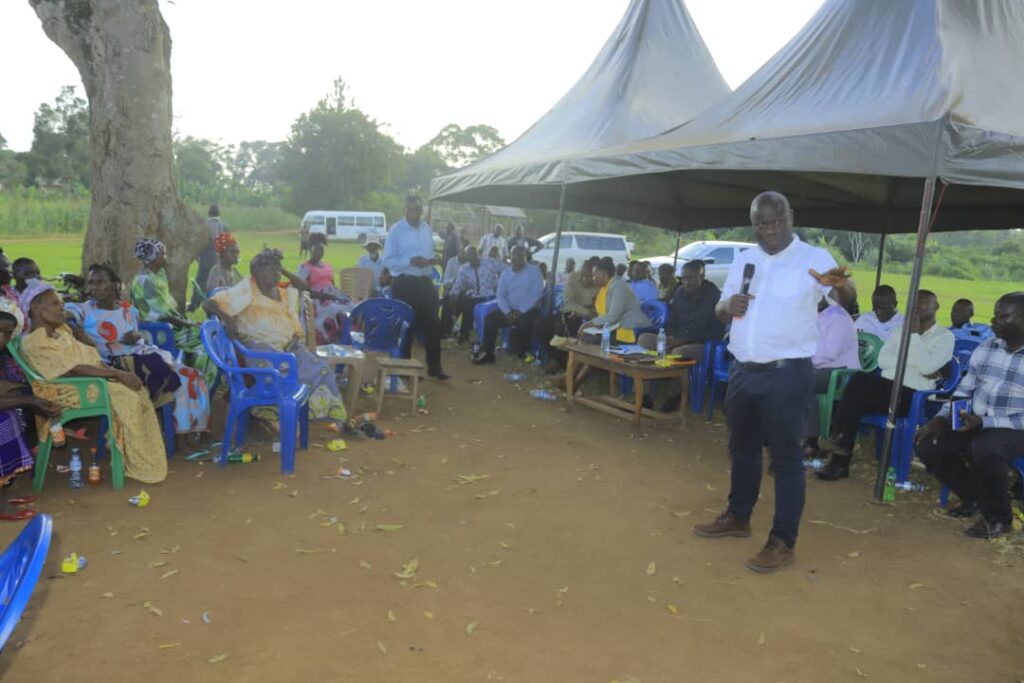
He explained that the team’s visit to Kayunga was mainly to hear from residents and get first-hand insight into what is hindering development. Locals raised concerns about limited access to health and education services, pointing out that the parish relies on a single primary school for more than 900 households, lacks any government-run health center, and has no nearby secondary or vocational institution. They also reported rising insecurity fueled by theft.
Another challenge highlighted was the absence of affordable community communication channels after community radios were switched off by the Uganda Communications Commission (UCC). Residents said commercial radio airtime is too costly, making it difficult for them to share local information.
“That is why we are here—to listen and take these issues back into the budgeting process so that real parish needs are reflected,” Dr. Katende said. He added that the new planning system will eventually cover the entire country, with Kayunga selected as the starting point since it was the birthplace of the PDM roll-out.
Hon. Galabuzi Sozi noted that Buganda was prioritized because it contributes the biggest portion to Uganda’s GDP. He emphasized that the new model requires leaders to consult communities before submitting any plans.
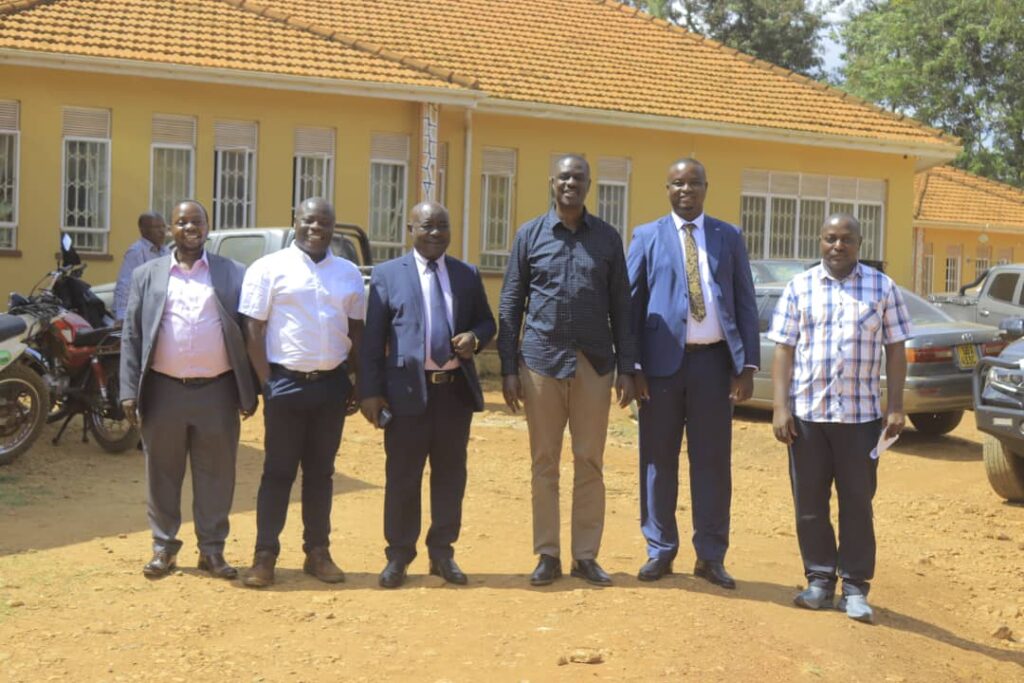
“For years, planning has been done from the top and pushed downwards,” he said. “Under this system, no district plan will be approved without evidence of community engagement. Government must understand the actual economic situation and available resources in each parish to improve productivity and guide investment.”
The Resident District Commissioner (RDC) hailed the President for increasing PDM funding and lowering the eligibility age for elderly support from 80 to 65 years. He also cautioned leaders against mismanaging PDM resources.
“PDM funds belong to the people,” he stressed. “Any leader who misuses these funds will face arrest. I urge the community to report any wrongdoing.”
With the new bottom-up planning format beginning in Kayunga, government officials say they expect stronger community participation, better service delivery, and national plans that truly reflect local priorities.
