By Johannah Nantongo
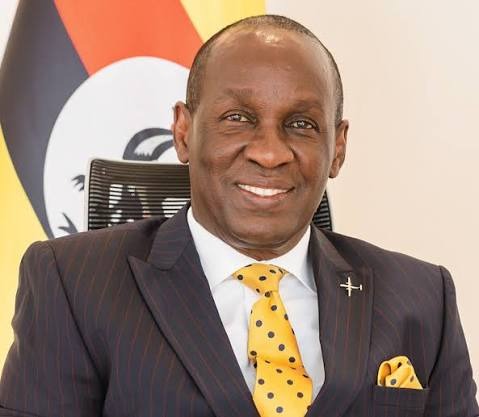
Ugandan businessman and former state minister for health Mike Mukula has urged East African leaders to swiftly intervene in what he describes as emerging signs of xenophobia against foreigners in Kenya.
This follows a Kenyan government crackdown on non-citizens engaged in small-scale businesses in the country.
Mukula said the mistreatment of some East Africans in parts of urban Kenya is uncalled of and could undermine regional integration.
“President William Ruto, my brother and good friend SIR, the emerging signs of xenophobia against fellow East Africans in parts of urban Kenya are deeply concerning and inconsistent with the spirit of a modern, democratic and integrated East Africa,” Capt. Mukula said.
His comments come days after Kenya intensified enforcement against foreign nationals operating small retail businesses, hawking activities and other forms of informal trade.
The measures were announced by Ruto as part of efforts to protect Kenyan micro-traders from what the government considers unfair competition from foreigners operating businesses that could be undertaken by local entrepreneurs.
The crackdown has particularly placed Chinese , Ugandan retail traders and urban refugees and migrants from Somalia, Ethiopia, Burundi and the Democratic Republic of Congo under increased scrutiny.
In Nairobi, Burundian nationals were on Monday seen lining up at the Burundi Embassy to process documents amid reports that some foreigners were preparing to leave Kenya because of the changing environment.
Congolese nationals have also been affected by the increased enforcement, with foreign traders generally facing renewed demands to demonstrate that they have the appropriate immigration and work authorisation for the activities they are undertaking.
The Kenyan government has maintained that visa-free entry does not automatically give a foreign national the right to work or run a business.
In a September 6 statement, Investments, Trade and Industry Cabinet Secretary Lee Kinyanjui said some visitors had been using tourist or investor status to participate in activities outside the terms under which they entered Kenya.
“There has been deliberate misuse of visa applications by some visitors, leading to persons on investor or tourist status engaging in activities contrary to the provisions of the grant,” Kinyanjui said.
He added that foreigners involved in employment, trade or business must comply with the relevant immigration and work permit requirements.
“Visa-free entry or exemption from eTA requirements does not in itself confer the right to engage in employment, trade or business in Kenya,” Kinyanjui said.
While supporting lawful enforcement, Mukula cautioned against measures that could be interpreted as collective punishment based on nationality.
“The EAC framework is founded on the progressive free movement of people, goods, services and capital,” he said.
“Where individuals are found to be in violation of national immigration or other laws, enforcement should be orderly, lawful, humane and free from collective punishment or hostility towards any nationality.”
Mukula called on the East African Community leadership to engage the affected countries before tensions escalate, arguing that regional disputes over migration and trade should be addressed through established EAC mechanisms.
“I urge the East African Community leadership to engage Kenya, Burundi and other Partner States urgently to address these concerns through dialogue and established regional mechanisms,” he said.
The debate comes amid a wider regional trend in which governments have tightened controls over foreign participation in small-scale commerce.
South Africa has in recent years stepped up inspections of informal businesses, including township spaza shops, amid complaints from local traders over competition from foreign-owned outlets. Enforcement operations have included checks on immigration status and compliance with business and labour regulations.
“Our region must choose cooperation over xenophobia, lawful enforcement over mob action, and economic integration over division. East Africans should never become strangers to one another in East Africa,” Mukula said.
Kenya has insisted that it remains open to legitimate foreign investment and businesses that operate within the law. The government says its enforcement measures are aimed at bringing foreign commercial activity into compliance rather than shutting the door on investors.