By Joseph Mary Buwule
KAMPALA – Makerere University has called for stronger implementation of disability inclusion policies and legislation in higher education institutions, urging universities to move beyond expressions of sympathy and translate commitments into practical action that guarantees equal opportunities for persons with disabilities.
The university says inclusive education must be reflected in teaching, learning, research, service delivery, resource allocation and institutional governance to ensure that persons with disabilities fully participate in academic and university life.
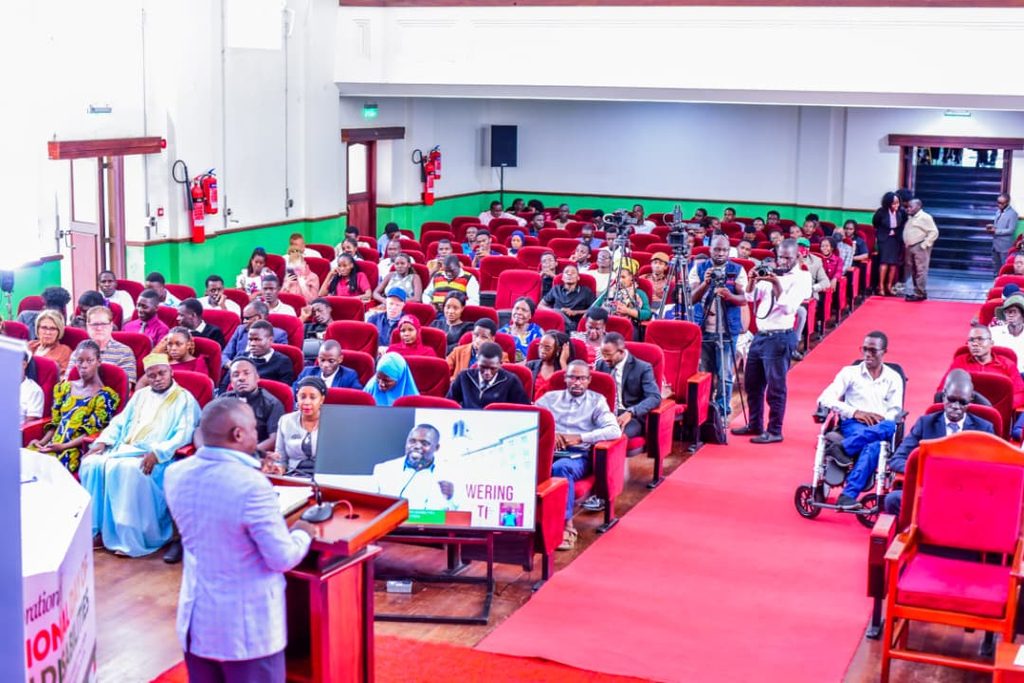
The call was made by Prof. Sarah Ssali, Makerere University’s Deputy Vice Chancellor in charge of Academic Affairs, who represented the Vice Chancellor during the university’s commemoration of the 2026 International Day of Persons with Disabilities.
The celebrations were held under the theme, “From Legislation to Action: Strengthening Disability Inclusion Through Effective Policy Implementation in Higher Education.”
Prof. Ssali said the commemoration provided an opportunity for the university to reflect on its institutional responsibilities and assess whether existing policies and legislation were translating into meaningful improvements in the lives of persons with disabilities.
She challenged universities and other institutions to move away from charity-based approaches towards recognising persons with disabilities as equal holders of human rights, leaders and active contributors to social and economic transformation.
“Globally, people are reflecting and challenging ourselves to go beyond sympathy to empowerment, to go from charity to recognising that people with disabilities are active agents of change, leaders and equal holders of human rights,” she said.
Prof. Ssali noted that the existence of disability policies alone was insufficient unless institutions demonstrated commitment through practical measures that remove barriers to education and participation.
She said a university could not claim academic excellence if some members of its community continued to encounter obstacles in accessing education, participating in university activities and contributing to knowledge production.
“A university cannot claim excellence if sections of its community encounter barriers to accessing education, participating in university life or contributing to knowledge production,” she said.
The Deputy Vice Chancellor emphasised that meaningful inclusion requires institutions to invest in the necessary resources, infrastructure, logistics and support systems to address the different challenges faced by persons with disabilities.
She argued that the responsibility of creating inclusive institutions should not be left to persons with disabilities but should be embraced by university leadership, staff, students and the wider community.
Prof. Ssali also highlighted the intersection of different forms of discrimination, noting that some individuals experience multiple disadvantages arising from disability, gender, poverty and belonging to underrepresented communities.
She urged Makerere University to sustain its commitment to building an institution where academic excellence and inclusion reinforce each other, adding that the lessons and practices developed at the university should influence other institutions and communities.
Makerere highlights disability inclusion achievements
Meanwhile, Dr. Winifred Kabumburi, Dean of Students at Makerere University, said the institution had deliberately brought forward its commemoration to create awareness about the rights and needs of students and staff with disabilities before the university’s end-of-semester examinations.
Kabumburi said the university was committed to implementing inclusive policies and practices to ensure that persons with disabilities participate fully in academic and social activities.
She revealed that Makerere had established a disability policy and a Disability Support Centre, which serves as a one-stop centre providing resources and services to students and staff with disabilities.
The centre is equipped with assistive devices intended to support persons with disabilities to integrate into the university’s academic and social environment.
She said the university had also invested in accessible accommodation, pathways and elevators in newly constructed facilities, including the recently refurbished Mary Stuart Hall of Residence.
“We have created pathways and elevators in all spaces that have been newly constructed, including the newly refurbished Mary Stuart Hall of Residence,” Kabumburi said.
The university also provides carers, helpers and sign language interpreters to students with disabilities. According to Kabumburi, these support personnel receive salaries, accommodation, meals and access to university health services.
She added that Makerere had acquired a disability van to ease the movement of students with disabilities around campus, alongside ongoing efforts to construct ramps, elevators and accessible pathways.
Kabumburi challenged university planners and architects to prioritise universal accessibility when designing new buildings rather than treating accessibility as an afterthought that requires expensive modifications.
She also called for stronger partnerships with development organisations and institutions supporting inclusive education, appreciating UNESCO, the Mastercard Foundation and other partners for their contribution towards expanding educational opportunities for young people with disabilities.
She urged the partners to continue working with Makerere and other institutions to expand access to higher education, skills development, research, innovation and employment.
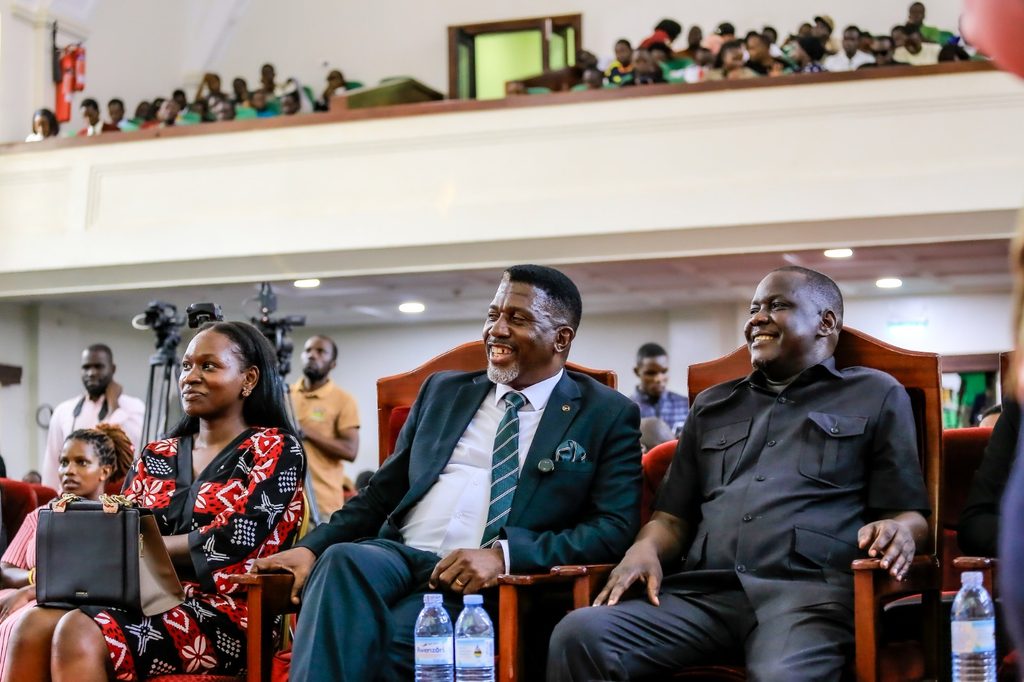
Kabumburi said the university should aim to expand the number of beneficiaries of disability inclusion programmes, noting that if 67 students could benefit from existing interventions, the target should be increased to 670.
She said success should not only be measured by the number of beneficiaries reached but also by the lives transformed and opportunities created.
Call for disability-friendly Kampala
Kabumburi, who also serves in the political leadership of Kampala Capital City Authority (KCCA), extended the call for inclusion beyond the university, saying Kampala must become a city where persons with disabilities can move freely, access services, participate in economic activities and enjoy their rights.
She called for deliberate investment in accessible pavements, public transport, markets, public offices, health centres, schools and recreational facilities.
She particularly highlighted the need to make the planned mass transport systems accessible to persons with disabilities.
Kabumburi said Kampala’s growing population required integrated public transport solutions, including Bus Rapid Transit (BRT) and light rail systems, designed to accommodate passengers with different mobility needs.
“You cannot have a city with over two million people entering the city to work when you are using a one-passenger transport system. We are using matatus. We must have integrated approaches where a person with a disability will sit with comfort and enjoy driving through the city,” she said.
She disclosed that she had been nominated and appointed as a champion for mass transport systems, adding that accessibility should be central to Kampala’s transport planning.
Kabumburi also called on public and private institutions to embrace inclusive recruitment and employment practices, reminding them of their responsibility to provide employment opportunities for persons with disabilities in accordance with the law.
She urged other institutions to emulate Makerere University’s efforts in creating inclusive environments.
The commemoration featured discussions and a panel session that challenged universities and other stakeholders to move beyond policy commitments and take practical steps towards disability inclusion.
The International Day of Persons with Disabilities is observed annually on December 3 to promote the rights and well-being of persons with disabilities and raise awareness about their participation in all aspects of society.
Through the 2026 commemoration, Makerere reaffirmed the need to translate disability inclusion policies into practical interventions that guarantee equal opportunities, dignity and meaningful participation in higher education and wider society.