BY JOSEPH KIGGUNDU
KAMPALA

Justice and Constitutional Affairs Minister Norbert Mao has urged Ugandans to embrace alternative dispute resolution (ADR) mechanisms, saying many cases burdening the courts could be resolved outside the formal justice system.
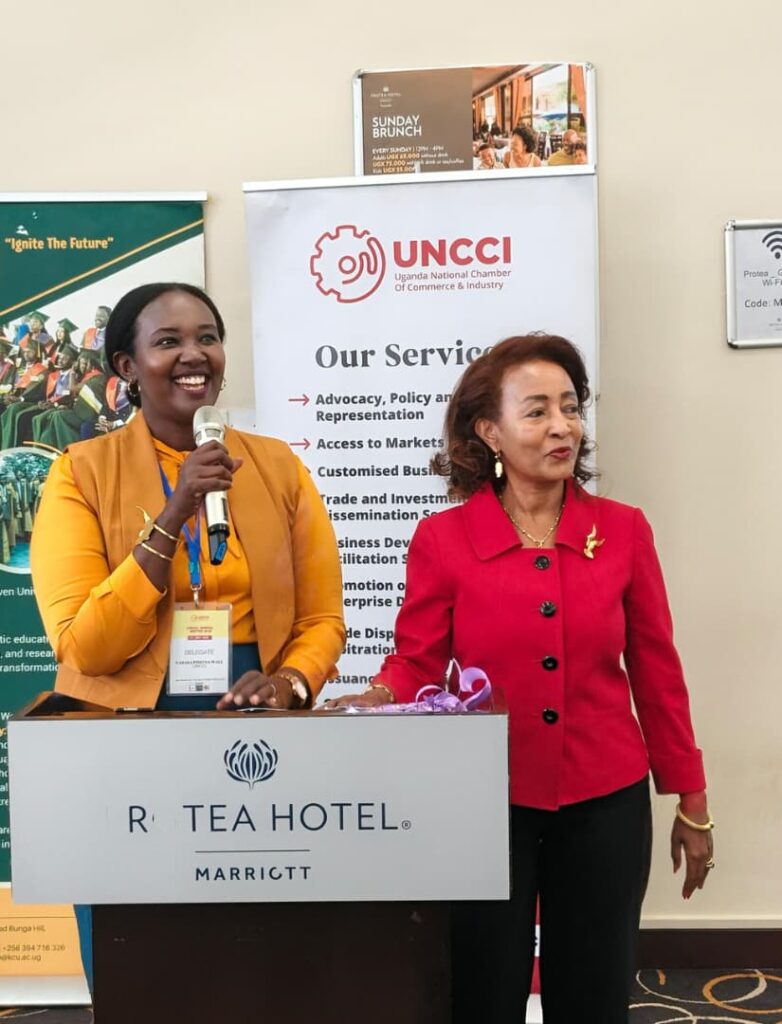
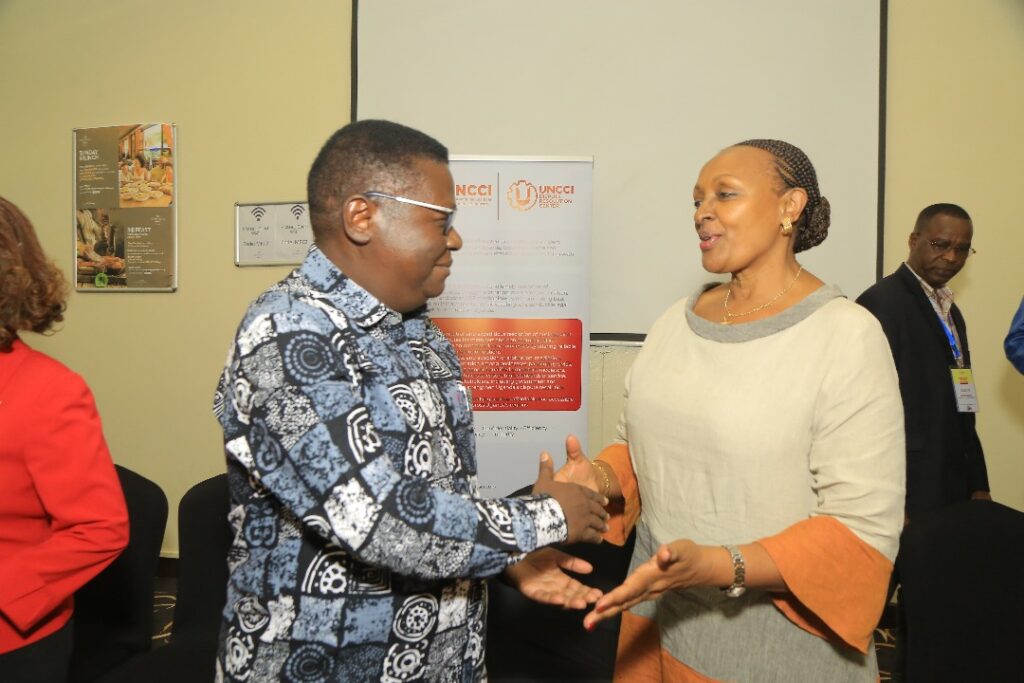
Mao was speaking in Kampala at the launch of the Uganda National Chamber of Commerce and Industry (UNCCI) Dispute Resolution Centre, an initiative aimed at training mediators to help resolve conflicts within communities, institutions, and the business sector.
He said courts are overwhelmed by disputes arising from everyday issues such as unpaid loans, contract breaches, rent arrears, and commercial disagreements—matters he described as “disputes of the people” rather than disputes that must always be handled by judges.
Mao noted that litigants often blame judicial officers and institutions for delays, yet many cases persist because parties avoid addressing the underlying causes of their conflicts or fail to honour contractual and financial obligations. He argued that strengthening mediation and other non-litigation approaches would decongest courts, reduce the cost of justice, and deliver faster outcomes, especially in civil and commercial matters.
UNCCI has warned that weak and inaccessible dispute resolution systems are constraining business growth. The Chamber estimates that only about five percent of Ugandans can access commercial justice, leaving trillions of shillings tied up in unresolved disputes.
Senior lawyer and former Uganda Law Society president Pheona Wall Nabasa cited 2022–2023 data showing that commercial disputes involving nearly Shs18 trillion remain unsettled due to limited access to affordable, timely, and structured justice mechanisms. She said many claimants abandon cases because court processes are expensive, slow, and intimidating.
Nabasa added that unresolved disputes have far-reaching economic consequences, including delayed infrastructure projects and strained business relationships. She called for a shift from adversarial litigation toward mediation, conciliation, and arbitration, stressing that dispute resolution should preserve and rebuild relationships rather than destroy them.
She pointed to international best practice, noting that disputes handled under frameworks such as the International Chamber of Commerce are often resolved within about 90 days, compared to years in Ugandan courts.
UNCCI also highlighted capacity constraints in the justice system, noting that Uganda has about one lawyer for every 25,000 people, alongside limited numbers of judges and courts.
UNCCI President Elect Ms. Olive Z. Kigongo said the newly launched Dispute Resolution Centre will prioritise cases involving UNCCI members that have been pending in courts of law for long periods. She encouraged members of the business community to embrace the centre as a practical and efficient alternative to prolonged litigation.
Kigongo described the centre as a timely intervention that reflects UNCCI’s commitment to supporting businesses beyond advocacy. She said by offering faster, affordable, and business-friendly dispute resolution, the Chamber aims to ease pressure on courts, unlock capital trapped in disputes, and create a more stable environment for trade and investment.
UNCCI is also advocating for sector-specific dispute resolution mechanisms and plans to train mediators, conciliators, and arbitrators with technical expertise in areas such as oil and gas, construction, and transport, positioning the business community as an active partner in improving access to justice and accelerating economic growth.
