By Sulaiman Kauki
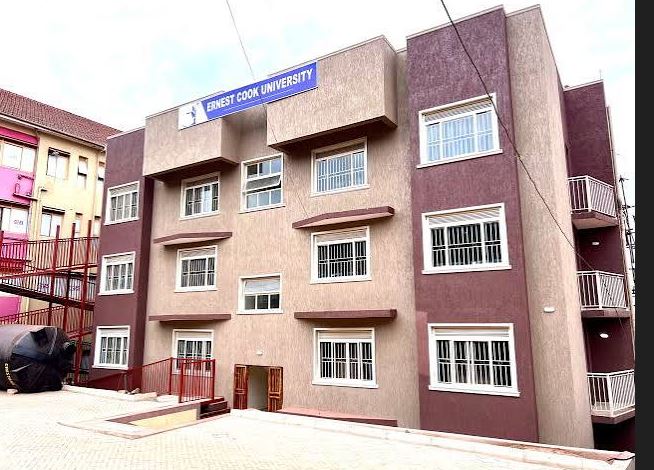
KAMPALA — Parliament’s Committee on Education and Sports has called for an individual assessment of graduates whose qualifications from Ernest Cook University have not been recognised by the National Council for Higher Education (NCHE).
The recommendation follows an inquiry into a petition submitted to Parliament by Dr Henry Garvin Mukalazi and other affected graduates in June 2026, concerning degrees obtained from programmes offered by Ernest Cook Ultrasound Research and Education Institute, now Ernest Cook University.
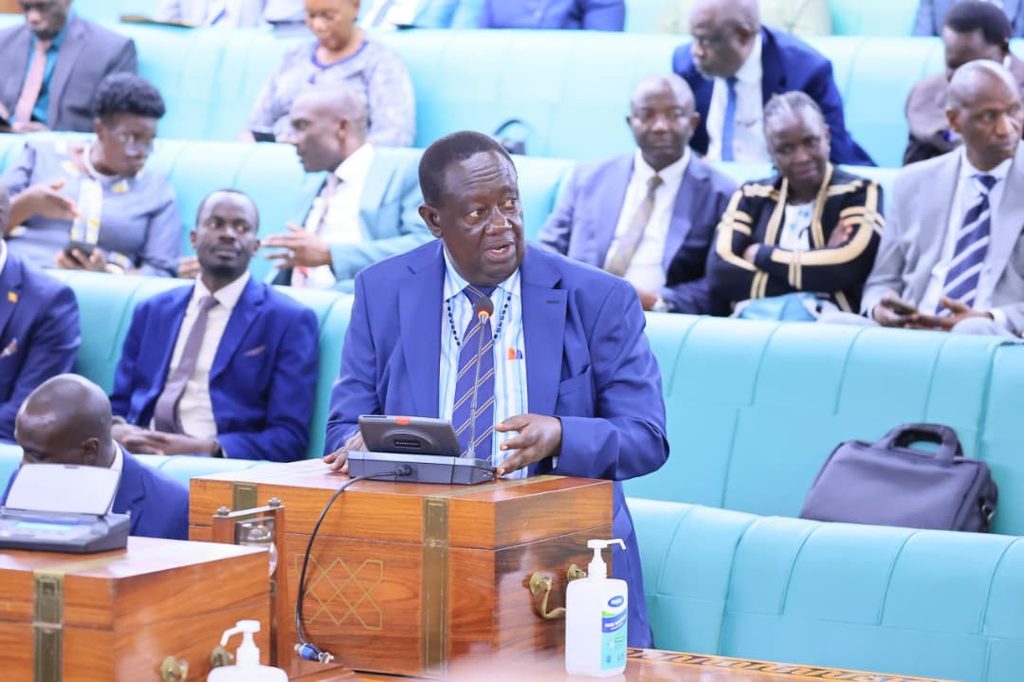
Presenting the committee’s findings during plenary on Thursday, October 1, 2026, committee chairperson Emmanuel Ongiertho said evidence before the committee indicated that students had been admitted to some programmes before they received accreditation from NCHE.
He cited the case of a student who was admitted to the Bachelor of Diagnostic Ultrasound programme in 2011, while the programme received accreditation in December 2013.
The committee also questioned the adequacy of NCHE’s supervision of the institution during the period in question.
Ongiertho said correspondence between NCHE and the institution, including a recommendation that Ernest Cook affiliate with Gulu University, suggested that the regulator was aware that students were being enrolled in the programmes.
The committee further noted that NCHE issued harmonised minimum admission requirements for health-related degree programmes in 2017, several years after the relevant regulations had come into force.
To resolve the dispute without disregarding the circumstances of individual graduates, the committee proposed the establishment of a joint review mechanism involving NCHE, Ernest Cook University and the Allied Health Professionals Council.
The proposed team would examine the academic and professional records of each affected graduate, including their admission qualifications, training and performance.
It would then determine whether an individual’s qualification can be recognised or whether additional measures such as bridging courses, remedial training or further assessment are required to satisfy the applicable standards.
“The joint review committee should determine, on a case-by-case basis, whether any affected graduate may be subjected to bridging, remedial training, assessment or any other lawful measure necessary to meet the applicable academic and professional standards,” Ongiertho said.
The committee’s recommendations are aimed at addressing the circumstances of graduates who say they completed their studies after being admitted by the institution but have subsequently encountered difficulties obtaining recognition of their qualifications.
The Minister of State for Education and Sports in charge of Sports, Peter Ogwang, told Parliament that Mukalazi had previously taken NCHE to court over the matter, with the court ruling in favour of the council.
Ogwang said, however, that the ministry subsequently engaged with Mukalazi and asked NCHE to investigate whether the affected graduates had complied with the applicable admission requirements and whether the programmes met accreditation requirements.
He said NCHE had since constituted a team to conduct the investigation.
“The court ruled in favour of NCHE, Mukalazi engaged the ministry which wrote to the Council to carry out an investigation regarding compliance with minimum admission requirement and programme accreditation requirement,” Ogwang said.
He added that the ministry continued to engage with Mukalazi despite the earlier court decision in an effort to find a lawful way of addressing the outstanding concerns.
Speaker Jacob Marksons Oboth cautioned Parliament against adopting a resolution that would effectively alter an existing court judgment.
He nevertheless directed Minister Ogwang to expedite the ongoing review and provide Parliament with an update on the measures being taken to address the concerns raised by the affected graduates.
The committee’s recommendations also include strengthening oversight of university admissions and ensuring that students are not enrolled in programmes that have not obtained the required accreditation.
The matter has highlighted concerns about the consequences for students who enrol in higher education programmes before regulatory requirements are fully met, and the importance of clear admission and accreditation procedures for both institutions and prospective students.