By:Joseph Mary Buwule,
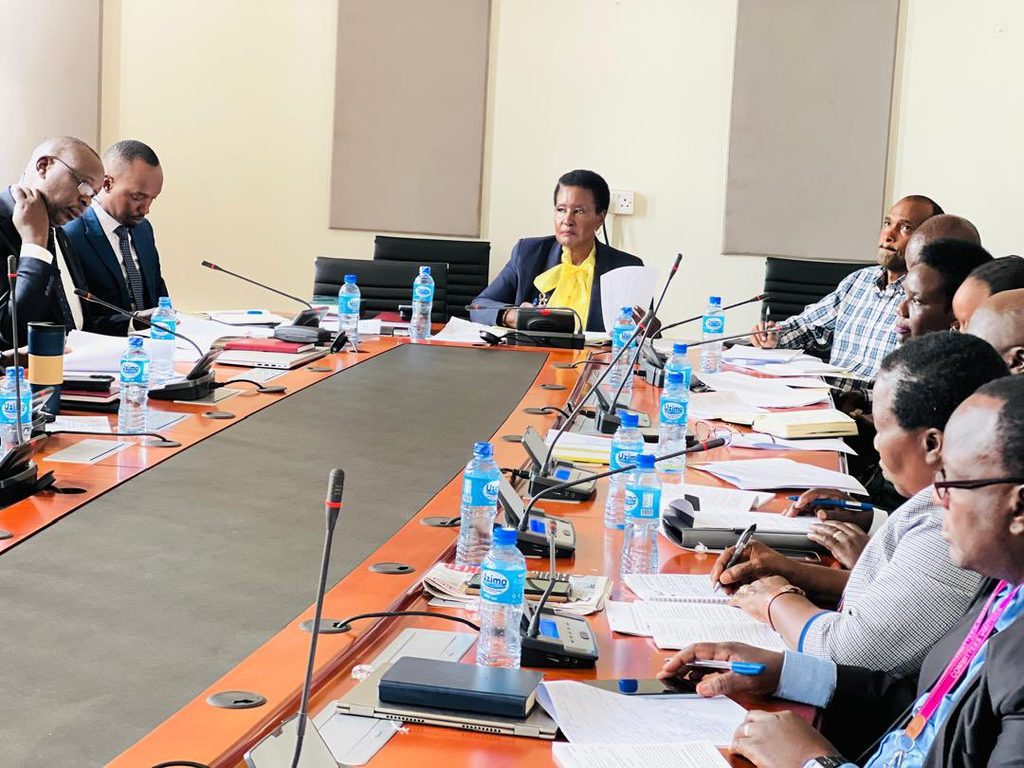
The Parliament of Uganda’s Committee on Agriculture, Animal Industry and Fisheries has intensified deliberations on the Food and Agriculture Regulatory Bill, a proposed legal framework aimed at strengthening the regulation of food, animal feeds, pesticides and acaricides in the country.
The Bill is expected to provide a more coordinated regulatory framework for agricultural and food products, with emphasis on safety, quality and compliance with established standards across the entire value chain.
During the committee’s deliberations, members examined provisions intended to improve the monitoring and regulation of products used in agriculture and livestock production, including pesticides and acaricides, as well as animal feeds and food products.
The discussions come amid growing concerns about the safety and quality of agricultural inputs and food products on the Ugandan market. Effective regulation is considered important in protecting consumers from substandard, contaminated or improperly handled products while also safeguarding farmers and livestock keepers.
The committee emphasized that consumer protection should remain at the centre of the proposed regulatory framework. Members noted the need for strong systems that can ensure food and agricultural products reaching consumers meet the required safety and quality standards.
The regulation of pesticides and acaricides is also expected to receive particular attention, given their importance in crop and livestock production and the potential risks associated with their improper use, handling, storage and distribution.
Similarly, proper regulation of animal feeds is critical to livestock production, as the quality of feeds directly affects animal health, productivity and the safety of products such as milk, meat and eggs.
The committee is expected to continue scrutinising the Bill and engaging relevant stakeholders before making its recommendations to Parliament.
The proposed legislation is part of broader efforts to strengthen Uganda’s agricultural regulatory systems and promote safe food production, protect consumers and support a more reliable agricultural value chain.
If enacted, the Food and Agriculture Regulatory Bill could provide a stronger legal basis for monitoring compliance and improving accountability among actors involved in the production, processing, distribution and sale of food and agricultural inputs.
The committee’s deliberations therefore mark an important stage in efforts to establish a comprehensive framework that balances the interests of farmers, producers, traders and consumers, while placing food safety and public protection at the forefront.