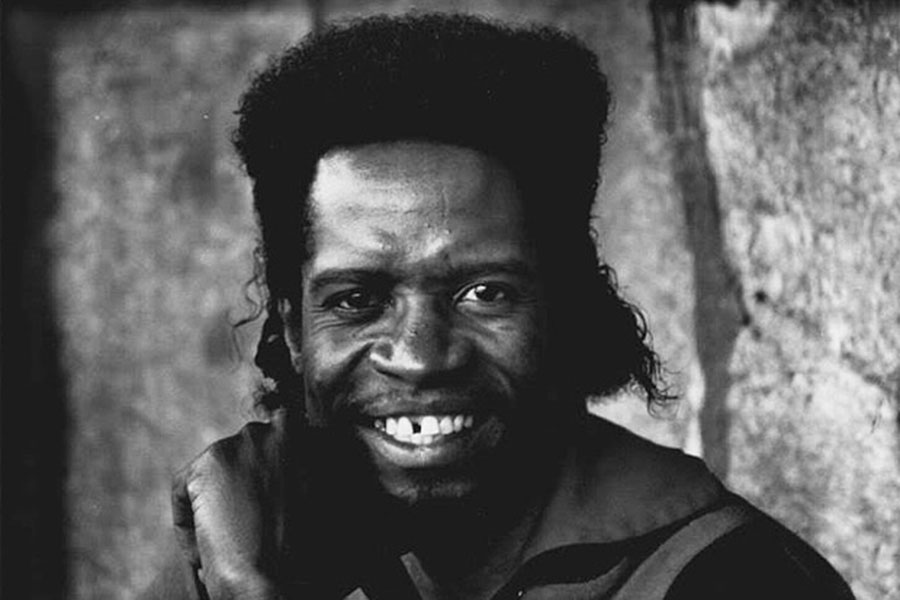
GOMBA. Residents in Gomba District have called on the government to formally recognise late Ugandan music legend Philly Bongole Lutaaya as a national hero, citing his immense contribution to the fight against HIV/Aids and his enduring impact on Ugandan society through music.
Lutaaya was a celebrated Ugandan musician and HIV/Aids awareness pioneer who used his music and personal testimony to fight stigma and educate millions across Africa.
As Uganda marked Heroes Day, residents argue that national heroism should extend beyond those who participated in armed struggles to include individuals whose contributions transformed the country in other significant ways.
According to the residents, Lutaaya’s influence transcended entertainment, making him one of the most consequential public figures in Uganda’s history.
“You cannot compare Philly Bongole Lutaaya’s contribution to that of many other musicians. He produced songs that gained international recognition, including Born in Africa, which became popular across the continent and beyond,” residents said.
They noted that Lutaaya was among the first prominent Africans to publicly disclose his HIV-positive status at a time when stigma surrounding the disease was widespread and many people feared discussing it openly.
“Philly was the first person in Africa to publicly come out and tell people he was living with HIV. He went further and travelled extensively educating communities about how the virus is transmitted and how it can be prevented. That was an act of courage that very few people could have managed,” they said.
His public disclosure in 1988 is widely regarded as a turning point in HIV/Aids awareness campaigns in Uganda, helping to break stigma and encouraging more open discussion about the disease at a time when the epidemic was claiming thousands of lives across the country.
Residents said Lutaaya’s legacy continues to resonate through his music and the messages he championed during his lifetime.
“Many people learned about HIV/Aids through his music. Songs such as Alone continue to carry a powerful message about the dangers of the disease, while his other works remain relevant even today,” they said.
Despite his contribution, residents expressed disappointment that the musician has never received official national hero recognition.
“Even his burial site does not reflect the magnitude of his contribution to the country. We believe he deserves to be honoured as a hero because he earned that recognition,” they said.
The residents also urged government and other authorities to celebrate outstanding citizens while they are still alive rather than waiting until after their death.
“Uganda should learn to appreciate people when they are still alive. We should not wait until someone dies before recognising their contribution. Even if it is not possible to grant him hero status immediately, Gomba can honour him by naming a road after him,” they added.
While Lutaaya did not participate in Uganda’s liberation struggle, residents argue that his bravery was demonstrated through his willingness to publicly confront HIV/Aids stigma and use his personal experience to educate others.
Lutaaya was born in Kitemu Village in what is now Gomba District and was buried at his ancestral home in the district.
He died on December 15, 1989, aged 38, after becoming one of Africa’s first public figures to openly disclose his HIV-positive status and campaign against HIV/Aids stigma.
More than three decades after his death, many Ugandans continue to regard him as a pioneer whose music and advocacy helped shape the country’s response to HIV/Aids and inspired generations to confront the disease with openness and courage.