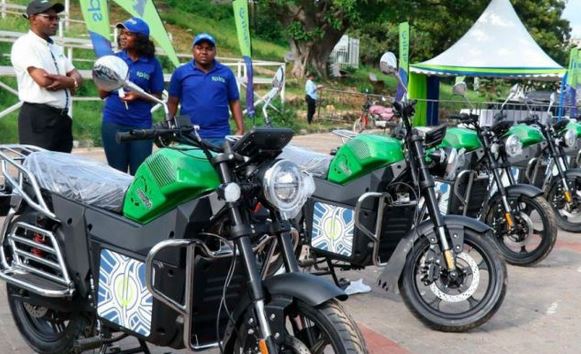
By Joseph Kiggundu
Electric mobility firm Spiro has secured $50 million (about Shs6.45 billion) in debt financing to scale up its electric motorcycle and battery-swapping operations across Africa.
The funding was provided by African Export-Import Bank (Afreximbank), alongside new investors Nithio and Africa Go Green Fund, which is managed by Cygnum Capital.
Spiro said the fresh capital will be directed toward expanding its battery-swapping infrastructure in both existing and new markets. The company also plans to strengthen its in-house technology systems, including automated swap stations, rapid-charging solutions, and greater integration of renewable energy into its network.
Chief Executive Officer Kaushik Burman said demand for the company’s battery-swapping ecosystem is rising steadily across the continent.
“Our infrastructure is redefining urban mobility by offering dependable and environmentally friendly transport alternatives,” Burman noted. “This financing allows us to scale faster and build an energy network that is designed specifically for Africa’s needs.”
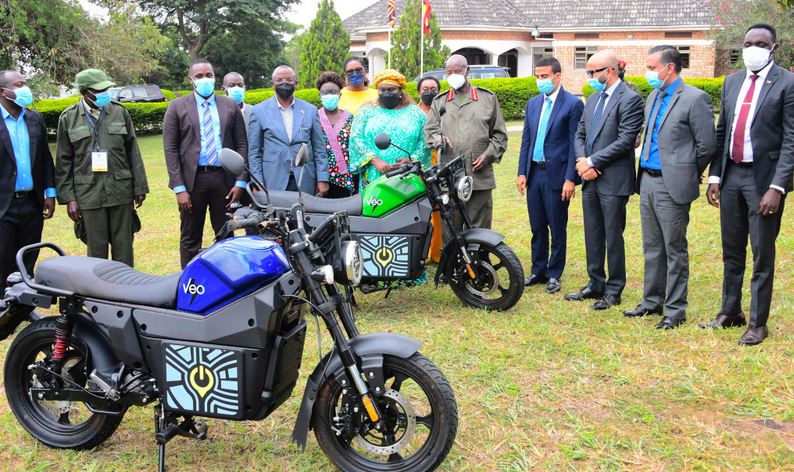
Founder Gagan Gupta described the investment as a milestone in advancing homegrown clean mobility solutions.
“We are demonstrating that African-led innovation can deliver affordable, sustainable transport at scale,” Gupta said, adding that the expansion will contribute to economic growth while supporting climate objectives.
The latest financing follows a $100 million investment round secured in October 2025 — the largest-ever capital raise in Africa’s two-wheel electric mobility sector.
Established in 2022, Spiro has focused on building an integrated mobility ecosystem centered on electric motorcycles and battery-swapping technology tailored for mass-market adoption.
The company operates in Kenya, Uganda, Rwanda, Nigeria, Benin and Togo, and has recently introduced pilot projects in Tanzania and Cameroon.
According to company figures, Spiro has deployed more than 80,000 electric motorbikes, circulated over 300,000 batteries, and completed upwards of 30 million battery swaps through a network of more than 2,500 stations. The firm estimates that its operations have enabled riders to travel over one billion kilometers without carbon emissions.