By Joseph Kiggundu
MUNYONYO
Deputy Speaker Thomas Tayebwa has expressed optimism that Uganda’s 12th Parliament could become one of the most effective legislatures in the country’s history, citing the qualifications, enthusiasm and commitment demonstrated by newly elected Members of Parliament during their induction programme.
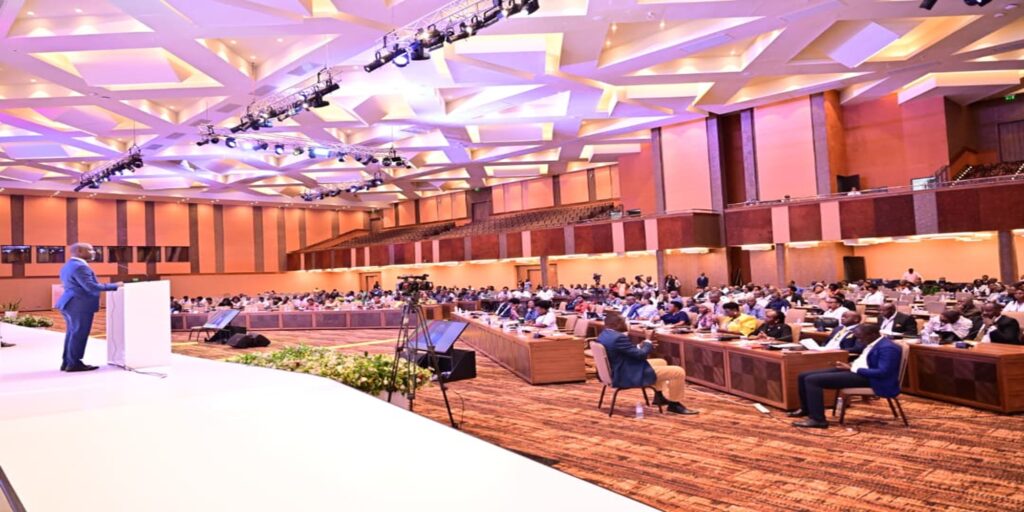
Speaking at the conclusion of a five-day orientation for MPs at Speke Resort Munyonyo, Tayebwa said the level of engagement, critical thinking and eagerness to learn displayed by members gave him confidence in the future performance of the House.
According to the Deputy Speaker, many legislators have shown a strong understanding of their constitutional responsibilities and a willingness to actively participate in parliamentary business.
Tayebwa urged MPs to focus on ensuring that government programmes produce tangible results for citizens, arguing that improved service delivery would strengthen public trust in both Parliament and government institutions.
He called on legislators to closely monitor public expenditure in their constituencies, particularly funds allocated for roads, water projects and wealth creation initiatives, rather than leaving oversight entirely to technical officers and local government officials.
The Deputy Speaker noted that although government funding to local governments has increased significantly over the years, many communities have yet to experience corresponding improvements in services.
He encouraged MPs to regularly follow up on how public resources are being utilised and hold implementing agencies accountable for project delivery.
Reflecting on the work of the 11th Parliament, Tayebwa praised lawmakers for their achievements in legislation, budgeting and oversight. However, he urged members of the ruling National Resistance Movement (NRM) to take a more active role in accountability processes, stressing that oversight is the responsibility of all legislators regardless of political affiliation.
He also emphasised the need for closer collaboration between ministers and area Members of Parliament during the implementation of government programmes, saying elected representatives should be involved in activities taking place within their constituencies.
Meanwhile, Clerk to Parliament Adolf Mwesige advised legislators to pay attention to their personal wellbeing, warning that the demands of public office can negatively affect health and family life if not properly managed.
Drawing from his own experience in public service, Mwesige said the pressures associated with leadership positions can be significant and urged MPs to maintain a healthy work-life balance throughout their parliamentary careers.
His remarks came during a health and wellness session facilitated by State Minister for Primary Health Care, Charles Ayume, who acknowledged the intense schedules often faced by public officials.
Ayume said many leaders struggle to maintain healthy routines because of frequent meetings and official engagements, making health awareness and preventive care especially important.
The minister also informed legislators that construction of the government-funded National Heart Hospital in Naguru is expected to be completed by June 2027. Once operational, the facility is expected to strengthen specialised cardiac services and ease pressure on the Uganda Heart Institute.
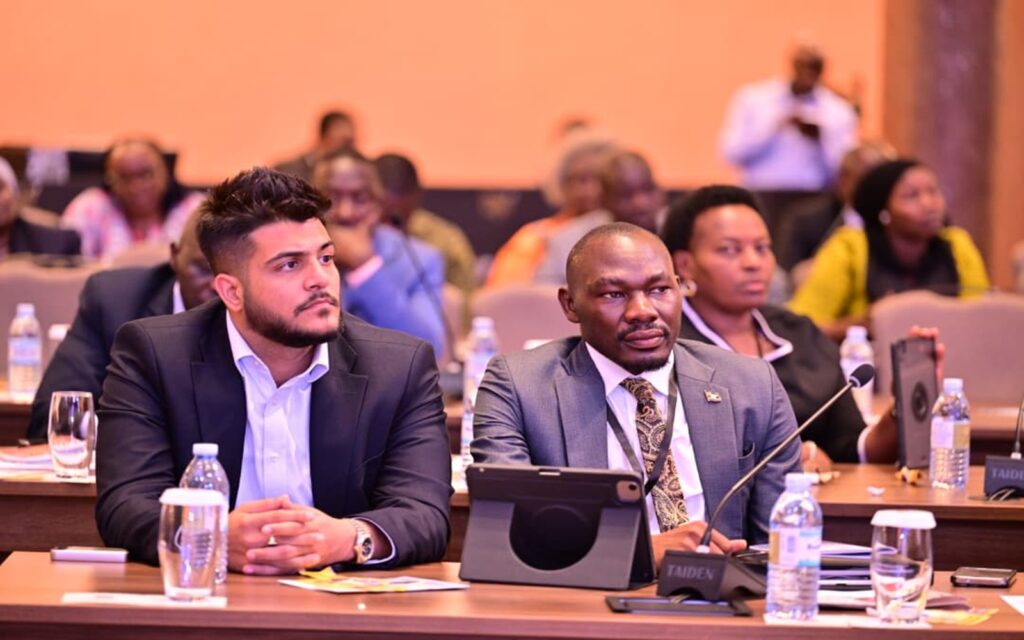
The induction programme brought together experts, senior government officials and experienced leaders who guided MPs on key aspects of parliamentary work, including lawmaking, budgeting, oversight, ethics, leadership and public accountability.
The training was designed to equip members with the knowledge and skills needed to effectively execute their legislative and representative responsibilities during the life of the 12th Parliament.