By Buwule Joseph Mary
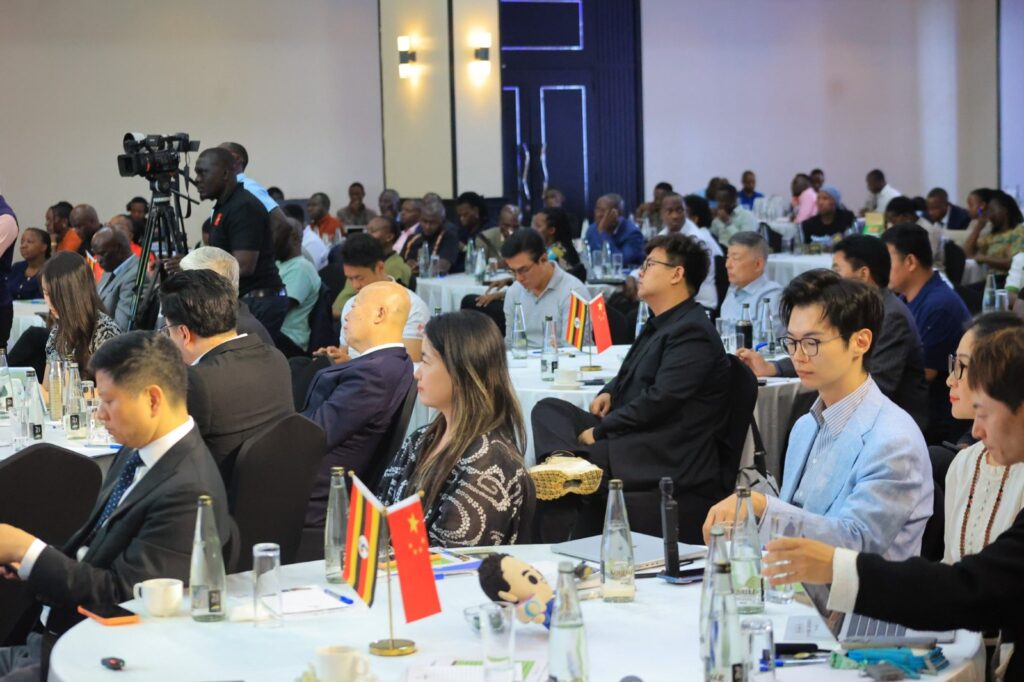
KAMPALA, UGANDA — Uganda has called on Chinese investors to move beyond exploratory trade engagements and translate growing commercial interest into concrete investments, as the Uganda–China Coffee Investment and Destination Conference 2026 concluded in Kampala.
Addressing the Chinese delegation, Uganda’s leadership challenged participants to take the next decisive step—transforming sample orders into full commercial shipments and converting signed Memoranda of Understanding (MOUs) into operational investments within the country’s industrial parks. The delegation was described as “ambassadors of Uganda in China,” tasked with deepening trade ties and championing Uganda’s investment potential back home.
The conference marked the culmination of the Uganda–China Trade, Investment and Market Immersion Mission, a strategic initiative designed to move investors from awareness to firsthand experience.
In her opening remarks, Ambassador Oliver Wonekha, Head of Uganda’s Embassy in Beijing, highlighted the impact of previous engagements, noting that Uganda’s coffee exports to China grew by over 63 percent following the 2025 Awareness Tour. She emphasized that meaningful investment decisions are best driven by direct exposure to Uganda’s realities—from coffee farms and processing facilities to tourism destinations—rather than virtual presentations.
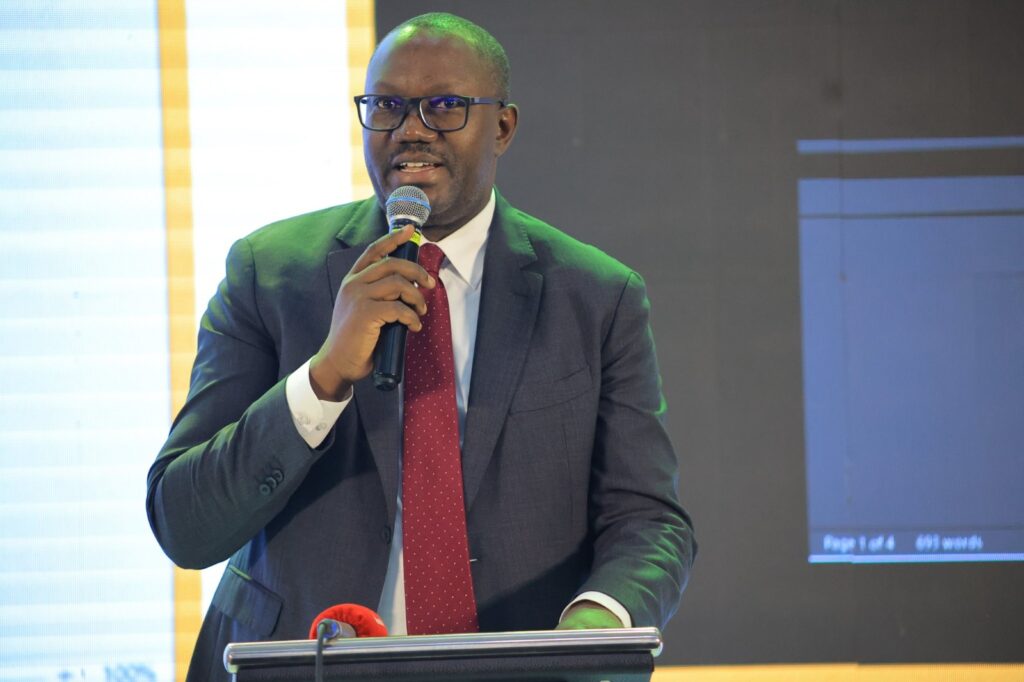
Ambassador Wonekha anchored Uganda’s investment proposition on the ATMS agenda—Agro-industrialisation, Tourism, Mineral-based industrial development, and Science, Technology and Innovation—describing it as the backbone of the country’s integrated growth strategy. She urged investors to connect not only with Uganda’s economic data but also with its story of resilience, sustainability, and long-term partnership.
Uganda’s Permanent Secretary at the Ministry of Foreign Affairs, Vincent Waiswa Bagire, underscored that the ten-day immersion tour exposed the Chinese delegation to a wide spectrum of opportunities, including the coffee value chain, tourism attractions such as the Source of the Nile and Bwindi Impenetrable Forest, mineral development, and agro-processing ventures.
He noted that the initiative builds on the success of the 2025 Uganda–China Coffee Awareness Tour, which yielded measurable trade gains, and now signals a shift toward long-term investment engagement. He reaffirmed that Uganda–China relations are grounded in mutual respect and win-win cooperation under frameworks such as the Forum on China-Africa Cooperation (FOCAC) and the Belt and Road Initiative.
Bagire further emphasized Uganda’s alignment with its Fourth National Development Plan and Tenfold Growth Strategy, reiterating that the country remains open, stable, and investment-ready. He pointed to streamlined investment procedures, attractive incentives, and institutional support through agencies such as the Uganda Investment Authority.
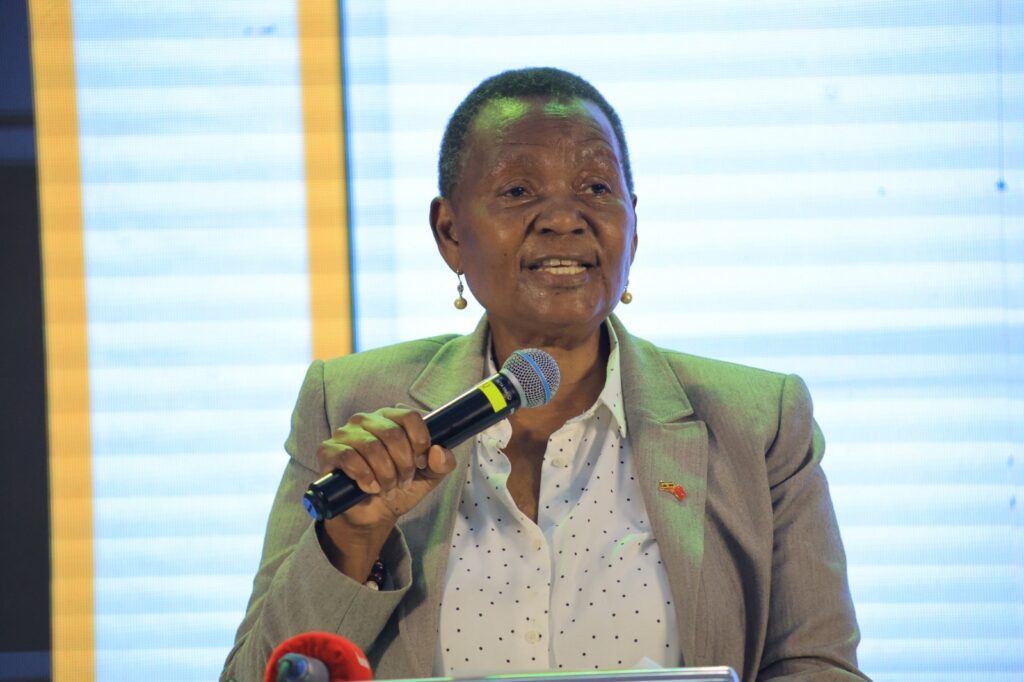
Chinese representatives echoed confidence in Uganda’s investment climate. Mr. Fan Xuecheng, Chargé d’Affaires ad interim of the Chinese Embassy in Uganda, praised the country’s political stability, consistent economic growth, and youthful population as critical drivers of investment. He also commended ongoing efforts to strengthen bilateral cooperation and encouraged Chinese enterprises to align with Uganda’s Buy Uganda, Build Uganda policy.
Fan highlighted the rapid growth in trade between the two countries, which reached approximately $2.1 billion in 2025—an increase of 43.5 percent. Coffee remains Uganda’s leading export to China, alongside emerging products such as fish and chilli. He noted that China’s zero-tariff policy is opening new opportunities for Ugandan goods, while ongoing negotiations on sanitary and phytosanitary standards are expected to unlock further exports, including fruits, grains, and oilseeds.
On the investment front, Mr. Zhang Hao, Chairman of the China–Uganda Liao Shen Industrial Park in Kapeeka, shared practical insights from his operations in Uganda. He cited the country’s market potential of over 46 million people, access to the wider East African Community, a young and energetic workforce, stable policies, and reliable hydroelectric power as key advantages for investors.
The Chinese delegation, represented by Mr. Ding Zuowei of Wuxi Jiangnan Cable Co., Ltd, expressed satisfaction with the tour, noting that it had deepened their understanding of Uganda’s economic landscape and strengthened their willingness to invest. He described the experience as comprehensive and well-organized, particularly highlighting the vast potential within Uganda’s agricultural sector.
Sector-specific presentations further reinforced Uganda’s investment case. Mr. Okir Alfred, Assistant Commissioner for Coffee Development at the Ministry of Agriculture, outlined Uganda’s position as the birthplace of Robusta coffee and a major global exporter. He revealed that the country produces an estimated 9.3 million 60-kilogram bags annually, with exports valued at approximately $2.2 billion.
He added that coffee contributes nearly a quarter of Uganda’s foreign exchange earnings and supports over 12.5 million livelihoods, with smallholder farmers forming the backbone of the sector. Investment opportunities exist in value addition, processing, direct trade, and infrastructure development, including the Luwero Coffee Industrial Park.
Meanwhile, Mrs. Rita Nabateregga Mugula of the Uganda Investment Authority detailed the country’s investor-friendly climate, highlighting one-stop centre services, tax incentives, and efforts to streamline business processes.
The conference concluded with renewed commitment from both sides to strengthen Uganda–China economic ties, with a shared focus on sustainable development and mutual prosperity. Organizers credited coordinated efforts by the Ministry of Foreign Affairs in Kampala, Uganda’s Embassy in Beijing, and the Consulate in Guangzhou for the success of the mission.
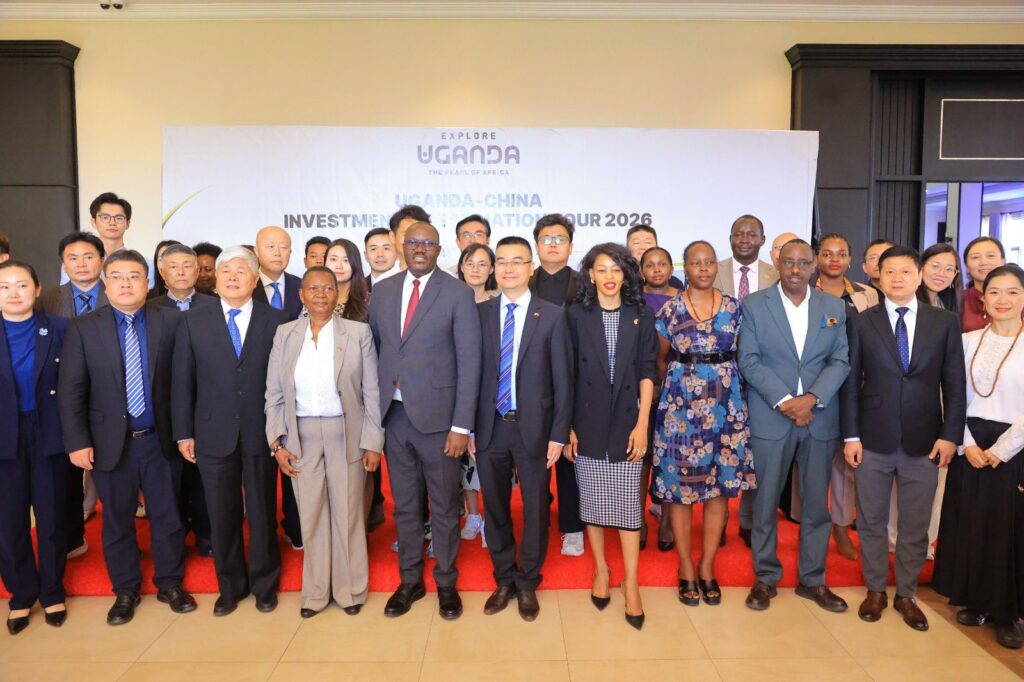
As Uganda positions itself as a competitive investment destination, the message from Kampala was clear: the time for exploration has passed—what is needed now is action, partnership, and long-term commitment.