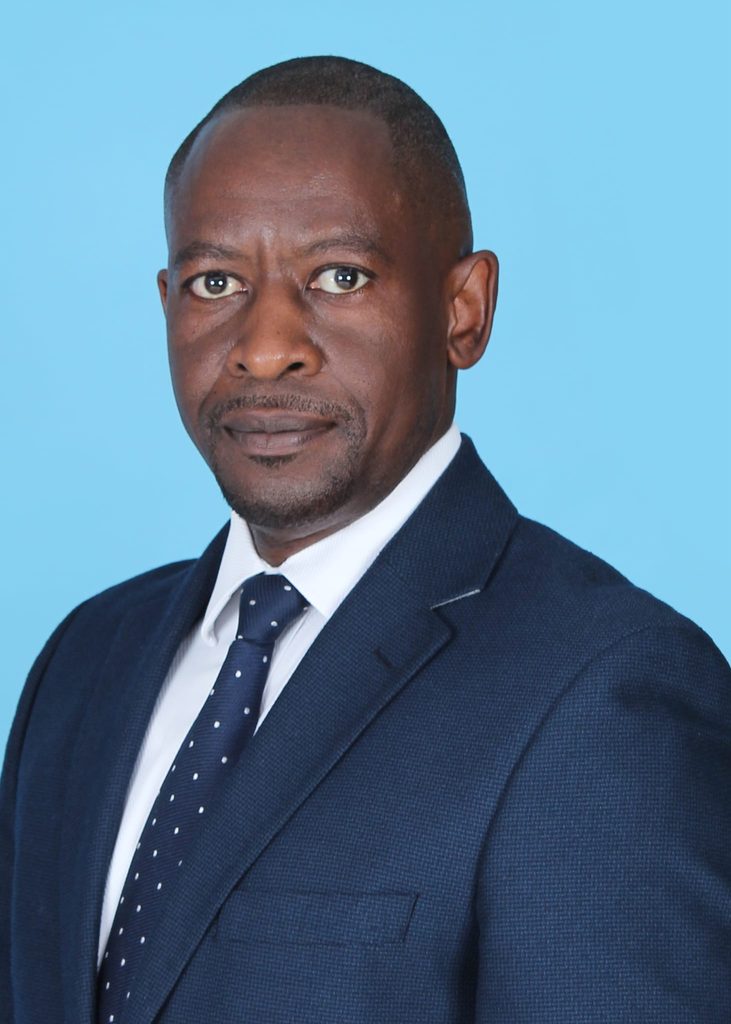
Richard Ssemitego , the chairperson of Uganda Federal Front
Uganda stands at a critical crossroads after four decades under President Yoweri Kaguta Museveni, who has been in power since 1986.
Concerns continue to mount among citizens, activists, and observers over unbearable political repression, human rights abuses, and the shrinking space for dissent.
Reports indicate that more than 1,000 opposition leaders, political activists, lawyers, and human rights defenders are currently detained in prisons and military facilities across the country. Many are being harassed, tortured, and imprisoned because of their political views or advocacy for human rights.
Among the prominent political prisoners is Dr Col. Kiiza Besigye, a four-time former presidential candidate, who was abducted from Nairobi, Kenya, by Ugandan military operatives and repatriated to Uganda, where he has been detained without proper legal due process. Recently , he was brought to court without his lawyers, and in the process of refusing to be tried, he suffered health difficulties and went into a coma. He was rushed t intensive care at Mulago National Referral Hospital and when he gained some strength he taken back to Luzira Prison without being allowed to fully recover .Amid a crisis in which he was denied access to private legal representation while facing trumped-up treason charges..
Hon. Erias Lukwago, former Lord Mayor of Kampala and a renowned lawyer, is also reportedly in a worrying health condition while detained at Luzira Prison. Hon Lukwago was abducted by the regime’s military operatives from his family home in front of his children and wife and taken to an unknown detention facility, where he was tortured, and Museveni’s son and Chief of Defence Forces Muhoozi Kainerugaba, kept posting on X social media – dehumanising photos of torture Hon Lukwago was subjected to. Like Dr Besigye, Lukwago is also denied medical treatment despite doctors’ reports asking Lukwago to be referred to India for urgent medical attention. The regime is prosecuting Lukwago for being a legal representative of Dr Besigye.
Hon. Muwanga Kivumbi was the Member of Parliament for Butambala constituency, and his family was attacked at night on Election Day (January 15) by the regime-backed military forces. They opened fire at his family home, killing seven young boys and girls and injuring many others (political activists). Hon. Muwanga survived, but he was abducted and taken to an unknown torture chamber. Like Hon Lukwago and Dr Besigye, the public outcry forced the government to regurgitate Hon Muwanga and take him to a court for a trumped-up treason trial. Muwanga’s health is deteriorating following reports of brutal torture during his arrest and detention. Allegations indicate that he has also been denied necessary medical care.
Hon. Alex Waiswa Mufumbiro ,the deputy spokesperson of National Unity Platform has been in detention since last year when he was abducted by military operatives, reportedly for speaking out against what critics describe as government impunity.
Sam Mugumya anther political activist was abducted by security operatives over two years ago and remains missing. A recently circulated, unverified video appears to show him in a severely weakened and disabled state, allegedly due to torture and malnutrition.
Hon. Maria Matembe, a former Member of Parliament, minister, and prominent human rights advocate, also tasted the bitter pill of the brutal NRM regime as she was abducted and subjected to torture, with her whereabouts unknown for a period of time until the public outcry forced the regime to release her.
Hon. Sarah Bireete, a prominent lawyer and human rights activist, was also abducted and held in detention facilities where she allegedly endured weeks of torture and interrogations.
Most women, like men, report t have been raped, tortured, and dehumanised when they are taken to State-run torture chambers.
John Bosco Kibalama was reportedly abducted by security operatives in 2021, and his whereabouts remain unknown to this day, nor has his body yet been recovered.
Other individuals in connection with abductions and unlawful detention include Hajj Obeid Lutale, Edward Sebuufu (also known as Eddie Mutwe), and Olivia Lutaaya, among many others, who are reportedly being held without due process in various detention facilities and subjected to being raped and torture.
Robert Kyagulanyi Sentamu, known as Bobi Wine and leader of the opposition in Uganda, is currently living in US where he is also seeking asylum following a military raid on his family home shortly after the January presidential and parliamentary elections.
Evidence was presented to the media showing that security forces subjected his wife, Mrs Kyagulanyi, to severe mistreatment, including acts of humiliation and abuse. These developments have raised serious concerns about the safety of opposition figures and the broader state of human rights and political freedom in Uganda under the current regime. No one is safe in Uganda under the present regime.
Beyond individual cases, Uganda’s history over the past decades has been marked by allegations of mass atrocities in several regions. These include the Luweero Triangle, the Mukula massacre – of which President Museveni owned responsibility and he apologised – and many others.
Additionally, Uganda has faced international legal scrutiny over its involvement in the Democratic Republic of Congo, where the International Court of Justice ordered the country to pay $10 billion in reparations related to the conflict in eastern Congo that claimed 3.5 Congolese civilian lives.
There are also growing concerns about the independence of the judiciary in Uganda. Local, regional, and international critics allege that institutions such as the Supreme Court, High Court, and Magistrate Courts operate under Executive influence, undermining the Rule of Law.
Since 2010, it is reported that over 12,000 international, regional, and national human rights organisations and charities have been shut down by the government, further raising concerns about civic space and freedom of expression.
Amid these developments, tensions in the country continue to rise, with some observers warning of potential instability if political grievances remain unaddressed through dialogue. Calls have been made for the international community to engage constructively and support efforts to promote human rights, accountability, and democratic governance in Uganda. The current political crisis in Uganda is conducive to a military coup or a revolution for a positive and peaceful regime change. Regime change is imminent in Uganda as Ugandans have had enough.
This publication reflects the concerns and perspectives of various stakeholders in Uganda and the Diaspora who believe that Uganda is at a pivotal moment in its history. This is the time Mr Museveni, 81 should reflect on his legacy , convene an all-inclusive dialogue to discuss the future of Uganda .It is quite obvious that he cannot be at the helm forever .