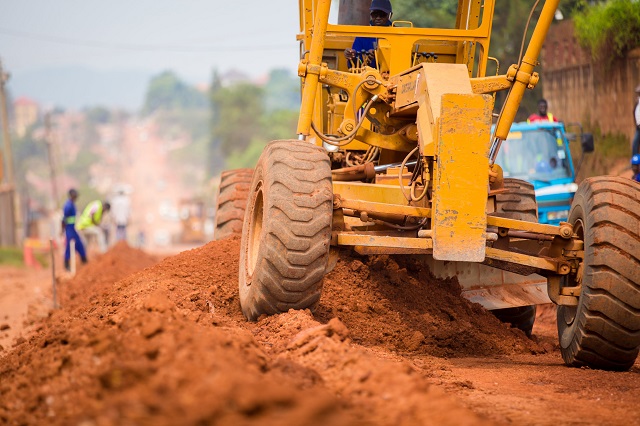
KAMPALA: The government plans to upgrade more than 600 kilometres of roads in the Greater Kampala Metropolitan Area (GKMA) over the next five years as it seeks to address growing pressure on infrastructure in Uganda’s fastest-growing urban region.
The target was disclosed by Finance Minister Henry Musasizi in the 2026/27 Budget Speech on Thursday.
“The government has embarked on revamping road infrastructure in the Greater Kampala Metropolitan Area (GKMA). The target is to upgrade over 600 kilometres in the next five years and to maintain all major existing roads,” Musasizi told Parliament.
The announcement comes against the backdrop of worsening traffic congestion, rapid urbanisation and mounting concerns over the condition of roads in Kampala and surrounding districts of Wakiso, Mukono and Mpigi.
According to the budget speech, 297 kilometres of roads have so far been paved under the programme, while several others have undergone rehabilitation and maintenance. The government also reported that eight major junctions have been signalised to improve traffic management and road safety.
The Greater Kampala road programme forms part of wider government spending on transport infrastructure.
The budget speech indicates that the government continued construction of 24 major roads covering approximately 1,154 kilometres during the financial year and rehabilitated 949 kilometres of national roads.
In addition, the government reported progress on 14 strategic bridges intended to improve connectivity and facilitate movement of people and goods across the country.
The minister also said more than 7,400 kilometres of paved roads and 14,000 kilometres of unpaved roads were maintained through labour-based contracts, while routine mechanised maintenance covered a further 1,282 kilometres of paved roads and 3,146 kilometres of unpaved roads.
At the local government level, authorities maintained 2,700 kilometres of district and community access roads, upgraded and maintained 820 kilometres of city and municipal roads, and rehabilitated 120 kilometres of district roads.
The five-year Kampala target comes as residents and businesses continue to face long commuting times, flooding-related road damage and bottlenecks on key transport corridors.
Urban planners have repeatedly argued that road expansion alone may not be sufficient to ease congestion without complementary investments in mass transit systems, pedestrian infrastructure and better land-use planning.
If implemented as planned, the 600-kilometre programme would represent one of the largest road expansion efforts undertaken in the Greater Kampala area, where population growth continues to outpace infrastructure development.