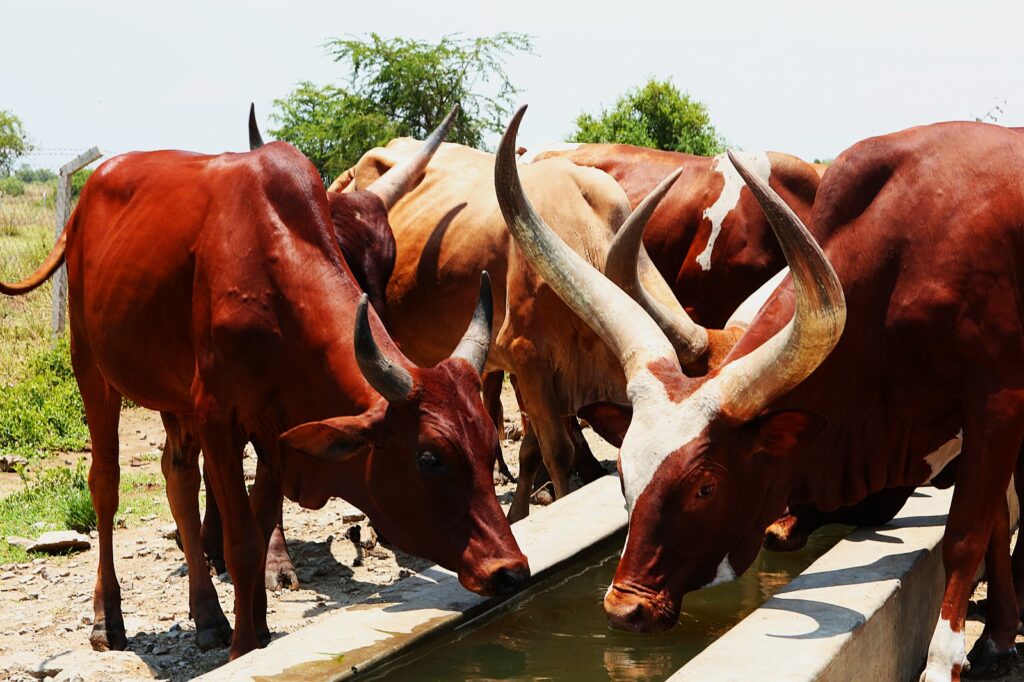
By Buwule Joseph Mary
Today, April 25, Uganda joins the rest of the world in commemorating World Veterinary Day under the theme “Veterinarians – Guardians of Food and Health.” The day shines a spotlight on a profession that often operates behind the scenes, yet plays a central role in safeguarding livelihoods, ensuring food safety, and protecting public health. The Food and Agriculture Organization of the United Nations (FAO), alongside national and global partners, is using this moment to recognize veterinarians as indispensable actors in building resilient agrifood systems.
According to Willington Bessong Ojong, Animal Production & Health Team Leader at FAO Uganda, the country’s livestock sector remains a cornerstone of food and nutrition security, employment, and economic growth. However, this critical sector faces a web of complex and evolving challenges. These include the rise of emerging and re-emerging animal diseases, the growing threat of antimicrobial resistance, the impacts of climate change, and increasing pressure on natural resources such as land and water. At the same time, consumer demand for safe, nutritious animal-source foods continues to rise.
Meeting these challenges requires a fundamental transformation of how livestock systems operate—and veterinarians are at the center of that transformation.
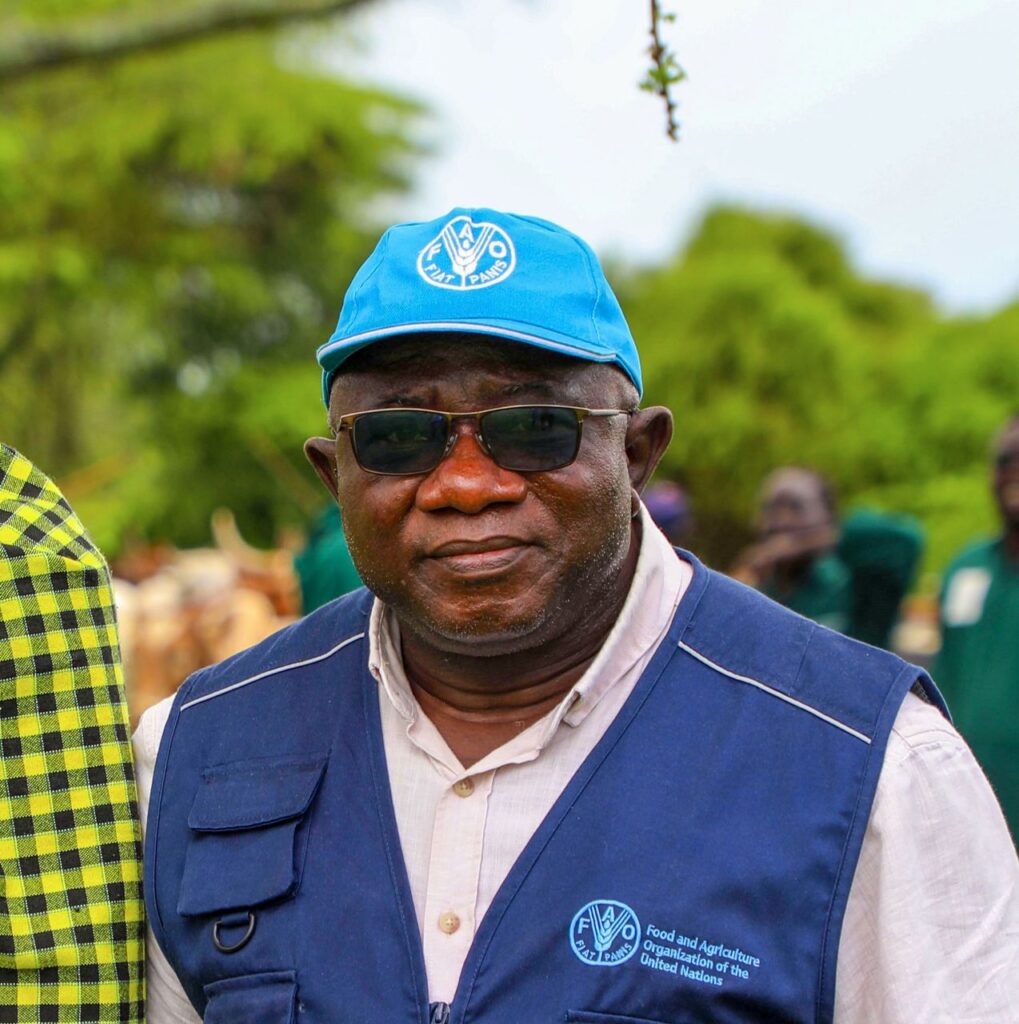
FAO’s vision for sustainable livestock development emphasizes systems that are efficient, inclusive, resilient, and environmentally responsible. Within this framework, veterinarians and veterinary paraprofessionals play a multifaceted role. They are instrumental in improving animal health and productivity, ensuring animal welfare, guiding breeding and genetics programs, and advising farmers on biosecurity and climate-smart practices. Their expertise extends across the entire livestock value chain, ensuring that the food reaching consumers is safe and of high quality.
Healthy livestock directly translates into improved incomes for farmers, enhanced nutrition for households, and reduced environmental degradation. In this way, veterinarians contribute not only to agricultural productivity but also to broader national development goals.
A key pillar of this work is the One Health approach, which recognizes the interconnectedness of human, animal, and environmental health. With nearly 75 percent of emerging infectious diseases originating from animals, veterinarians serve as a critical line of defense. In Uganda, they are at the frontline of detecting, monitoring, and responding to zoonotic diseases and transboundary animal threats.
Through surveillance, diagnostics, risk assessment, and community engagement, veterinarians provide early warning systems that help prevent outbreaks before they escalate. Their work is vital in controlling diseases that can devastate rural livelihoods and threaten national health security. In addition, they play a significant role in combating antimicrobial resistance, a growing global concern that affects both animal and human health.
FAO continues to work closely with the Government of Uganda, the Uganda Veterinary Council, academic institutions, and professional associations to strengthen veterinary services across the country. These efforts include supporting policy and regulatory reforms, building the capacity of veterinary professionals, promoting continuous learning, and enhancing disease surveillance and laboratory systems.
Strong institutions, such as the Uganda Veterinary Council, are essential in maintaining professional standards, ensuring ethical practice, and building public trust in veterinary services. Investments in these systems are critical for sustaining the gains made in animal health and food safety.
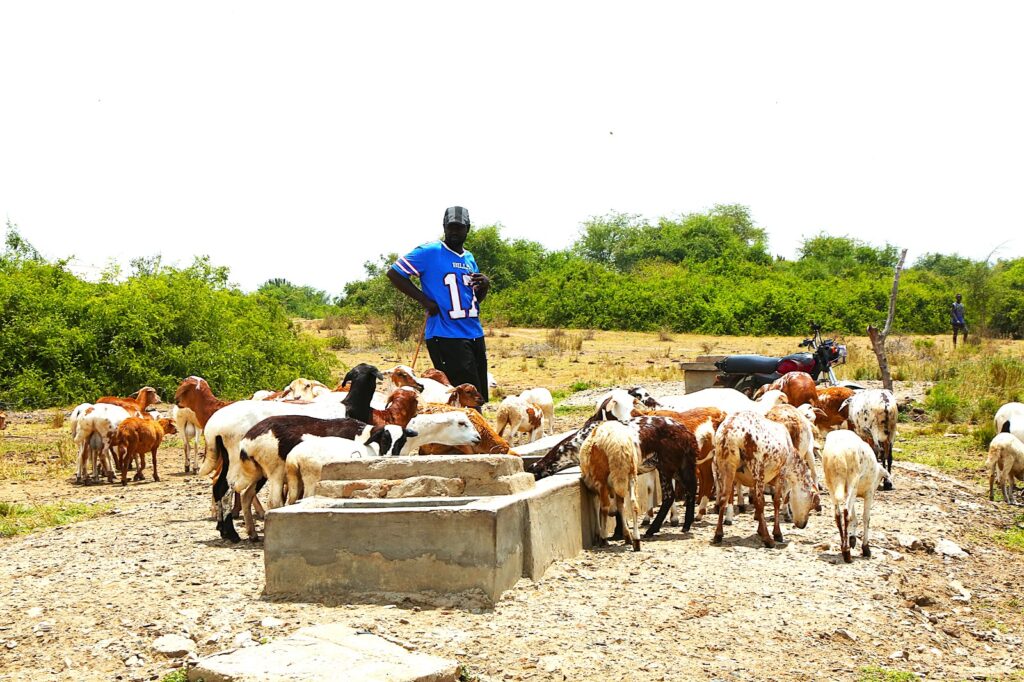
On this World Veterinary Day, special recognition is given to veterinarians who work in some of the most challenging environments—pastoral and agropastoral communities, border regions, abattoirs, laboratories, and remote rural areas. Their work often goes unnoticed, yet its impact is far-reaching. They prevent disease outbreaks, support smallholder farmers, facilitate trade in livestock and animal products, and ensure that food reaching Ugandan households is safe and nutritious.
As Uganda continues to pursue its development agenda and transform its agrifood systems, the importance of veterinary services cannot be overstated. Investing in veterinarians is investing in food security, public health, economic resilience, and sustainable growth.
FAO reaffirms its commitment to supporting Uganda’s veterinary sector and celebrates the dedication of the men and women who serve as the country’s silent guardians of food and health.
Happy World Veterinary Day.