By Nasser Kayanja
KAMPALA – The Ministry of Health, in partnership with the United Nations Development Programme (UNDP), has announced plans to provide support to traditional institutions as part of efforts to strengthen Ebola prevention and response across the country.
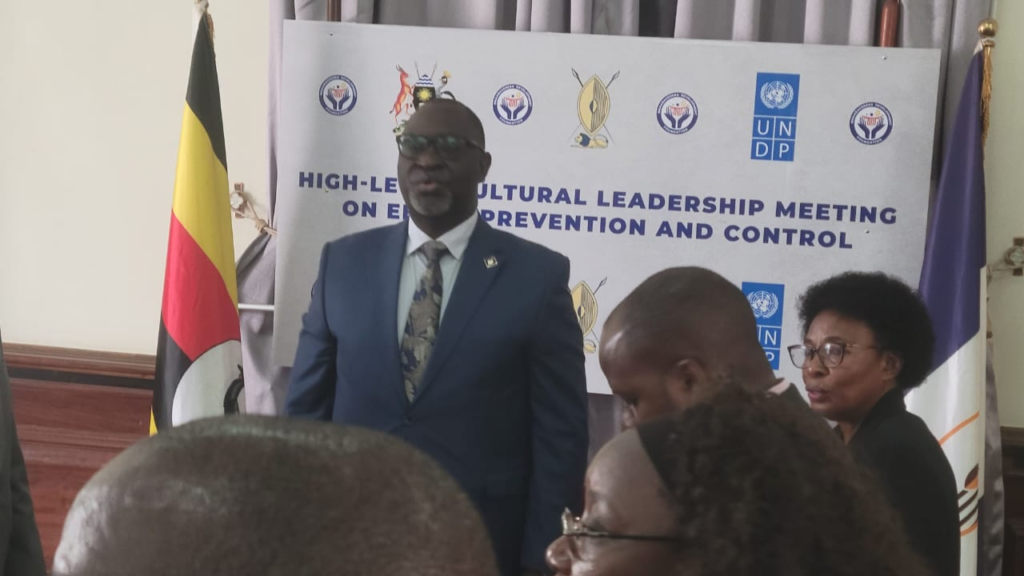
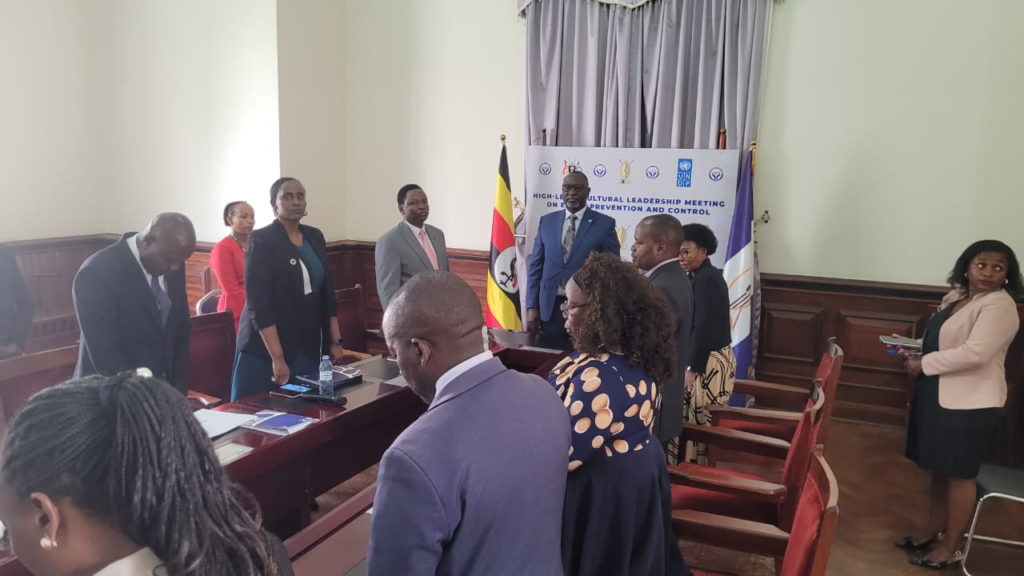
The development was revealed by Oweki Dr. Richard Kabanda during a courtesy visit by a joint delegation from the Ministry of Health and UNDP to Bulange Mengo, where they met Buganda Kingdom officials.
Dr. Kabanda emphasized the critical role traditional institutions play in reaching communities and promoting public health messages. He noted that engaging cultural leaders will help enhance awareness and encourage adherence to Ebola prevention measures.
He urged communities to avoid practices that could increase the risk of Ebola transmission, including the exhumation of bodies, warning that handling human remains can pose serious health risks during disease outbreaks.
“Traditional institutions have a strong influence within communities and are key partners in supporting government efforts to prevent the spread of Ebola,” Dr. Kabanda said.
The Second Deputy Katikkiro of Buganda, Oweki Waggwa Nsibirwa, welcomed the initiative and reaffirmed the Kingdom’s commitment to working closely with government and development partners in the fight against the disease.
He announced the appointment of Oweki Israel Kitooke to lead a committee that will coordinate community sensitization and support Ebola prevention efforts within the Kingdom.
Oweki Nsibirwa called upon all Buganda Kingdom subjects to comply with government guidelines and public health regulations aimed at controlling epidemics and protecting lives.
He noted that Buganda, as a central region of the country, has a significant role to play in supporting national efforts to combat disease outbreaks and promote public health.
Health officials reported that Uganda has recorded 20 Ebola cases, including 15 linked to infections originating from the Democratic Republic of Congo and five involving health workers. Authorities continue to monitor the situation while intensifying surveillance, community awareness, and prevention measures.