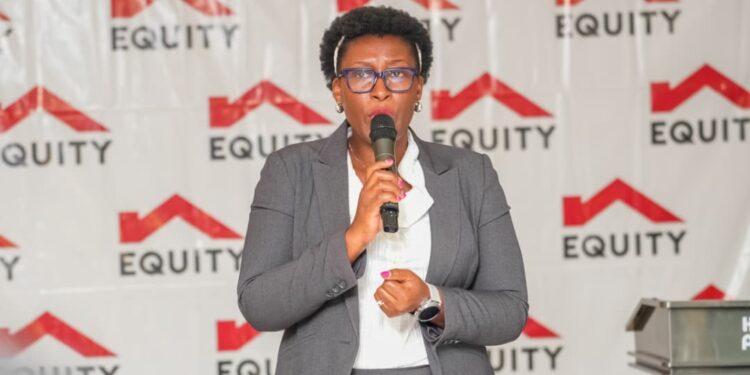
By Maria Mariam Namala
KAMPALA, Uganda — Equity Bank Uganda is stepping up support for the country’s education sector with tailored financing solutions aimed at helping schools manage cash flow challenges as the second academic term gets underway.
Many schools face significant expenses at the start of each term, including staff salaries, food supplies, learning materials, utility bills, and maintenance costs, long before they receive enough tuition fees or government funding to cover these obligations.
To help bridge this gap, Equity Bank Uganda has introduced a bridge financing facility that provides unsecured loans of up to UGX 500 million. The financing is intended to meet immediate operational needs such as payroll, food purchases, and scholastic materials, enabling schools to continue operating without disruption.
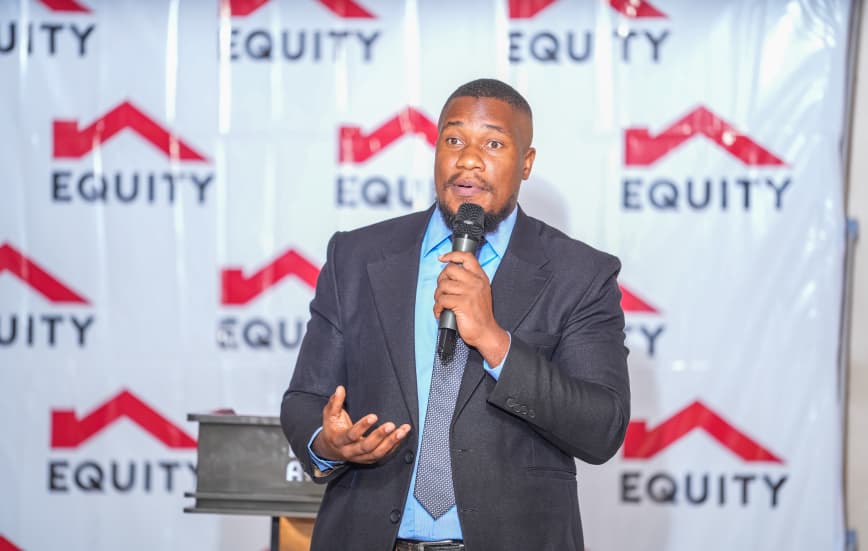
According to Brian Ddamba, Manager for Bridge Finance at Equity Bank Uganda, schools generally have dependable revenue throughout the term but often require short-term funding to meet upfront expenses.
He said the facility is designed to ensure school administrators can focus on providing quality education instead of worrying about temporary liquidity constraints.
Beyond short-term financing, the bank also offers asset financing of up to UGX 1.6 billion, allowing schools to invest in buses, laboratory equipment, backup generators, and other essential assets. Long-term development loans are also available to support infrastructure projects such as classroom construction, dormitories, and other facility upgrades.
The financing solutions come as both private and public schools continue to face financial pressures. Private institutions often contend with delayed tuition payments from parents, while government-aided schools may experience late disbursement of capitation grants. Rising operational costs have further increased the need for flexible financing.
Equity Bank is also promoting digital fee collection through mobile and agency banking platforms, helping schools improve payment tracking, strengthen financial accountability, and simplify record management.
To complement institutional financing, the bank offers school fees loans of up to UGX 5 million per child, enabling parents to spread education costs while helping schools receive tuition payments more consistently.
The growing partnership between the banking and education sectors was recently highlighted during a meeting of school proprietors and administrators at Hotel Africana, where stakeholders discussed financial sustainability, governance, and risk management.
As Uganda continues investing in education and human capital development, tailored financial products are expected to play a key role in helping schools maintain stable operations and invest in better learning environments.