By Joseph Mary Buwule
ENTEBBE, UGANDA: Eastern African countries are strengthening regional efforts to detect, monitor and control migratory pests that threaten crops, livestock, livelihoods and food security across national borders.
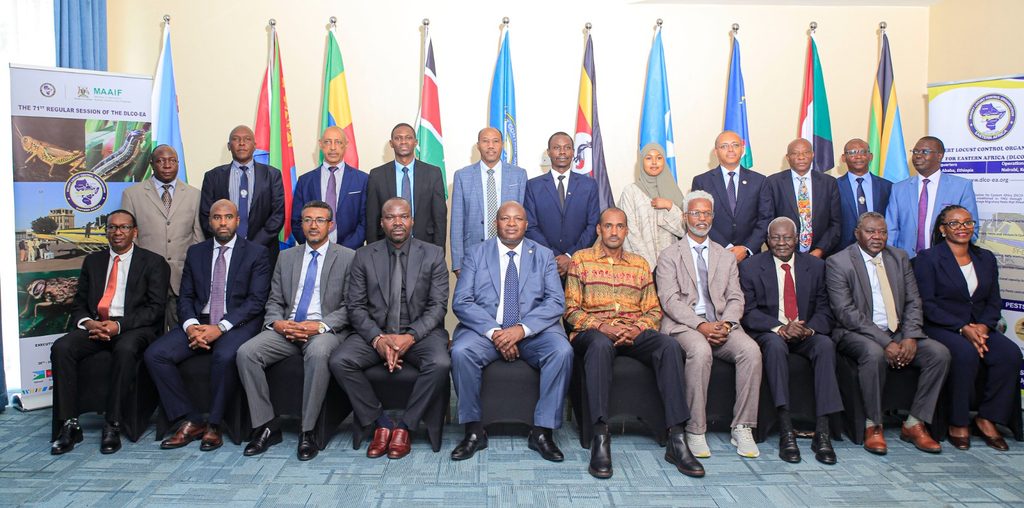
The renewed commitment is at the centre of the 71st Regular Session of the Executive Committee of the Desert Locust Control Organization for Eastern Africa (DLCO-EA), being held in Entebbe, Uganda.
Representatives from eight DLCO-EA member states are attending the session physically, while a ninth is participating virtually. The meeting is providing an opportunity to review progress in pest management, assess emerging threats and strengthen preparedness for outbreaks that can spread rapidly across borders.
The session was officially opened by the Minister of Agriculture, Animal Industry and Fisheries, Frank Tumwebaze, who called for stronger commitment from member states and development partners towards early warning, surveillance and rapid-response systems.
Tumwebaze cited Uganda’s experience during the 2020 desert locust invasion as a reminder of the serious consequences migratory pests can have on agriculture when they spread faster than control measures can be deployed.
He stressed that early intervention, adequate financing and operational readiness are essential to protecting farmers, agricultural production and food supplies.
The Minister said individual countries cannot effectively address the challenge alone because migratory pests move freely across national boundaries.
He therefore urged governments, technical agencies and development partners to strengthen cooperation so that threats can be identified early and appropriate measures taken before infestations become major crises.
Climate change heightens pest risks
The meeting is also examining the link between climate variability and the emergence and spread of migratory pests.
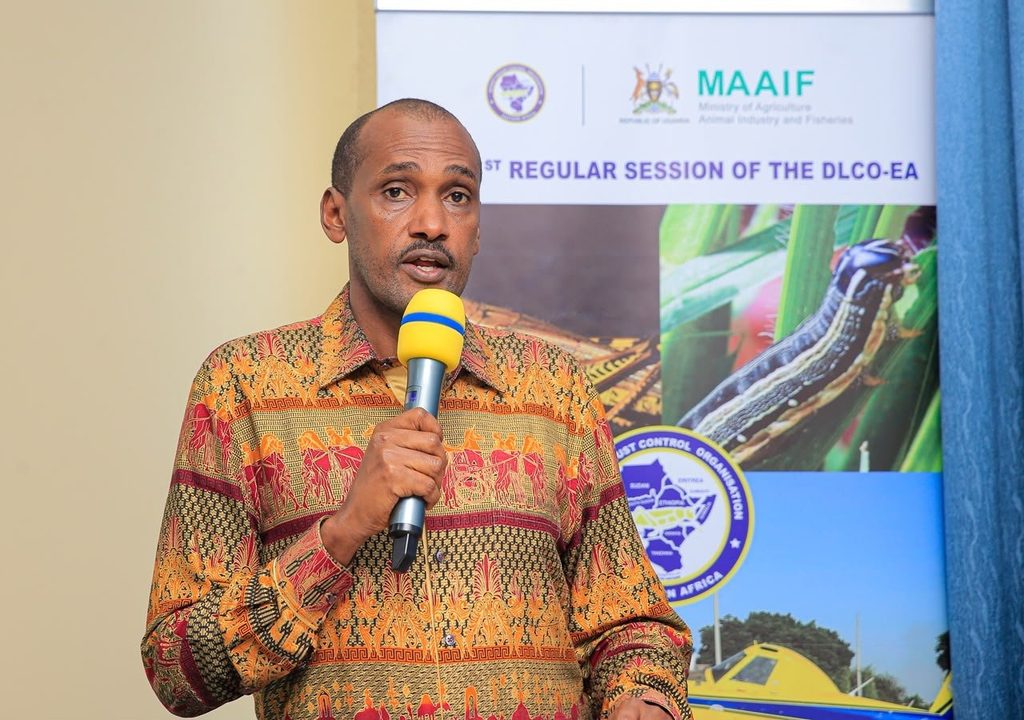
Addressing delegates, FAO Country Director Ezana G. Kasesa said Eastern Africa is facing an increasingly complex environment in which changing weather patterns, extreme events, ecological pressures and evolving agricultural systems are influencing pest behaviour.
Kasesa thanked the Government of Uganda and the DLCO-EA leadership for convening the session, saying it provides an important opportunity to evaluate progress, examine emerging risks and strengthen the region’s collective ability to protect agriculture, rangelands, livelihoods and food security.
He noted that migratory pests do not recognise national boundaries, making information sharing and coordinated action essential.
Kasesa particularly highlighted the influence of El Niño-related climate conditions on pest behaviour.
He explained that increased rainfall in some areas can stimulate vegetation growth and create favourable breeding conditions, while prolonged dry conditions elsewhere may concentrate pest populations around the limited areas where green vegetation remains available.
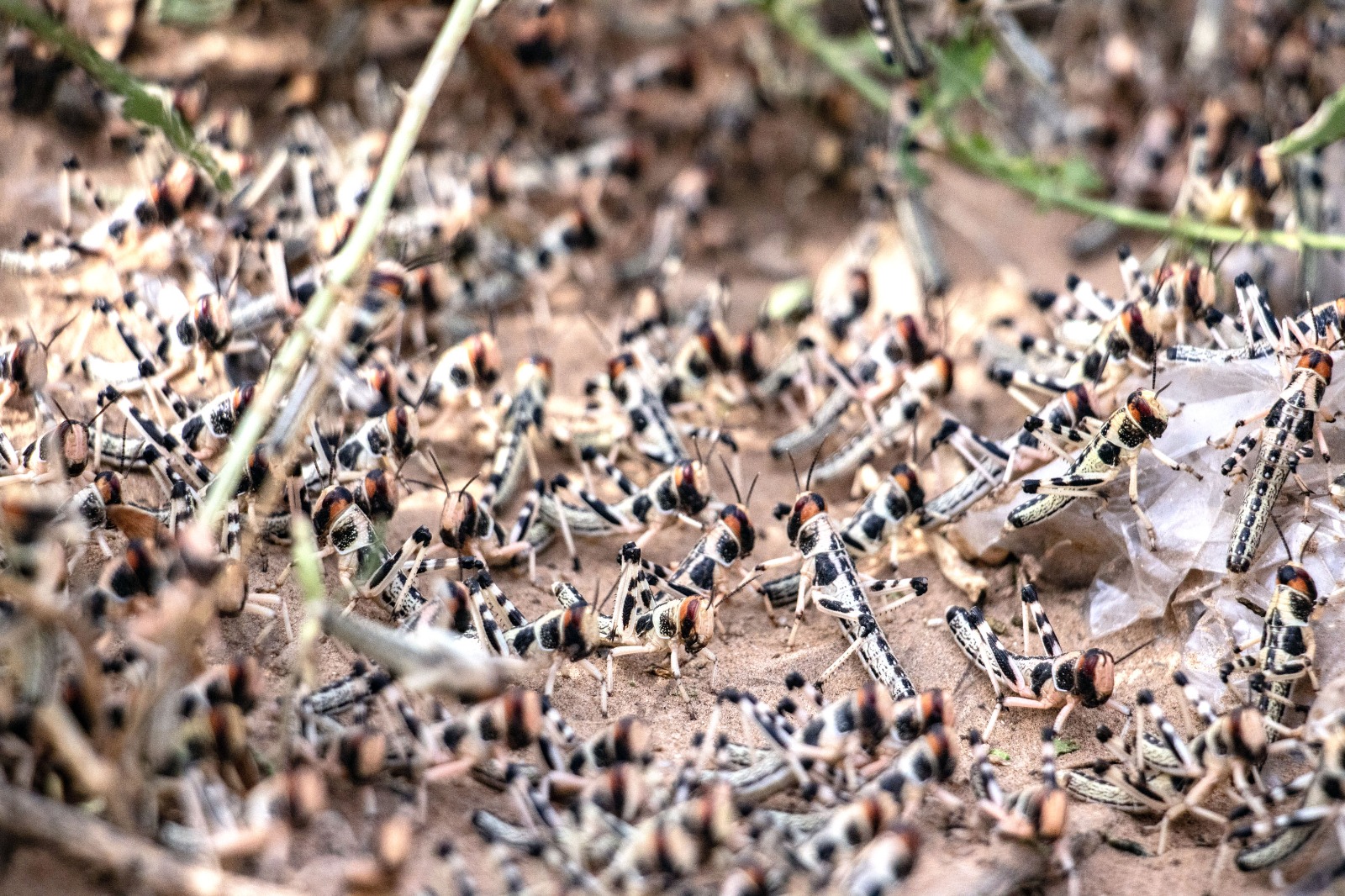
Both situations can heighten the risk of pest outbreaks, he said, underscoring the need for continuous monitoring.
Kasesa stressed that climate information becomes more valuable when it is integrated with surveillance and early warning systems.
He cautioned that waiting until pest populations reach damaging levels can be costly and urged countries to identify potential threats early and intervene before they develop into emergencies.
Moving from reaction to anticipation
Kasesa called for a shift from reactive pest control towards anticipatory action, in which governments and technical agencies use climate forecasts, ecological monitoring, surveillance and risk analysis to identify potential outbreaks before they occur.
He said closer collaboration is needed among DLCO-EA, the IGAD Climate Prediction and Applications Centre (ICPAC), national meteorological services, plant protection authorities, research institutions and other partners.
Combining climate and pest information, he said, would allow decision-makers to take preventive measures before farmers experience significant losses.
The FAO official also pointed to the growing role of digital technologies in pest management.
Improved data collection, mapping, information sharing and risk visualisation can enhance the speed and accuracy with which authorities identify emerging threats and coordinate responses.
However, Kasesa cautioned that technology alone is not sufficient.
He said effective digital systems depend on reliable data, common standards, skilled personnel, appropriate infrastructure and clear procedures for turning information into practical action.
Farmers remain crucial to early detection
Kasesa also highlighted the role of communities in identifying pest threats at an early stage.
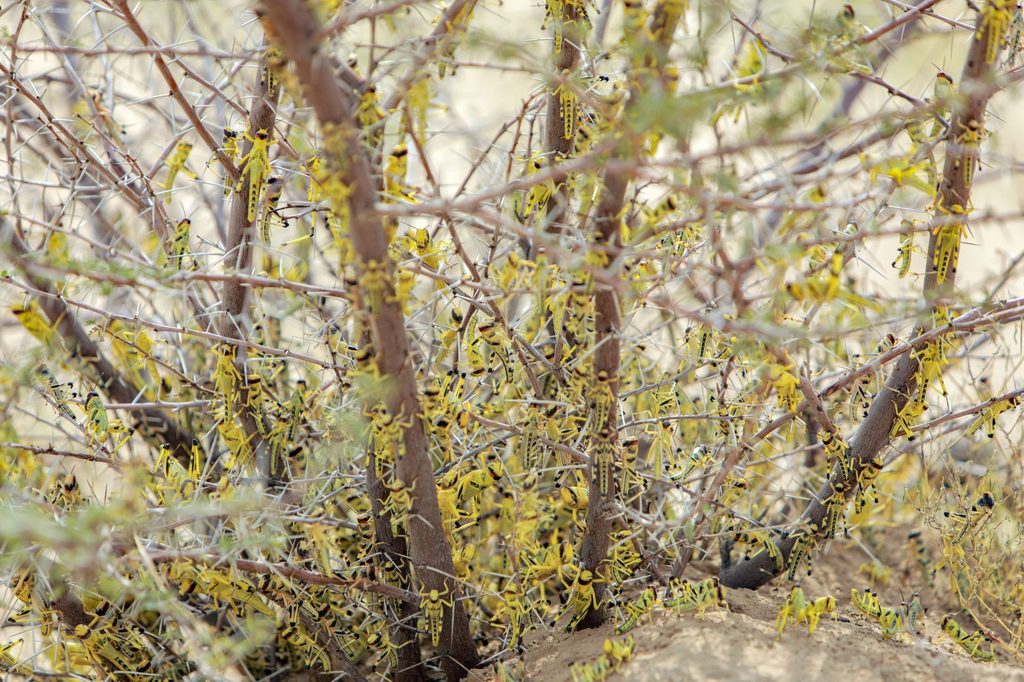
Farmers, pastoralists, extension workers and local authorities are often the first to observe unusual pest activity.
He called for their observations to be incorporated into national and regional surveillance systems so that alerts can reach authorities and neighbouring countries quickly.
This community-based approach is particularly important for pests that can move rapidly across borders.
Call for sustainable pest management
Delegates are also discussing approaches that can make pest control safer and more sustainable.
Kasesa said interventions should be guided by scientific evidence, risk assessment and integrated pest management principles.
Although pesticides remain an important tool during outbreaks, he called for greater attention to biological control, safer application methods, integrated management approaches, environmental protection and the safeguarding of non-target species.
He said the effectiveness of pest management should not be judged solely by how quickly an outbreak is brought under control, but also by the safety, environmental impact and sustainability of the measures employed.
DLCO-EA seeks stronger and predictable financing
DLCO-EA Director Moses Rwaheru Mwesigye said the organisation plays a central role in coordinating surveillance, forecasting, research and pest-control operations across Eastern Africa.
However, he noted that its effectiveness depends significantly on member states meeting their financial obligations and clearing outstanding contributions.
Mwesigye said predictable funding is essential for maintaining surveillance systems, equipment, technical personnel and rapid-response capabilities.
DLCO-EA monitors several migratory and transboundary pests, including desert locusts, armyworms, Quelea birds and tsetse flies, among others.
These pests can threaten major food and cash crops, including maize, wheat and rice, and cause substantial agricultural and economic losses when infestations are not identified and addressed promptly.
Lessons from the Desert Locust upsurge
FAO said its partnership with DLCO-EA included significant support during the 2019–2021 Desert Locust upsurge, when the organisation received operational, technical and financial assistance for emergency surveillance and control activities.
The support also included efforts to assess safer pest-control options, including biological control using Metarhizium acridum and insect growth regulators, alongside environmental and health impact assessments.
More recently, FAO has supported DLCO-EA in strengthening surveillance, early warning and safer pesticide management.
Kasesa said the experience demonstrated the value of sustained regional partnerships and reaffirmed FAO’s commitment to working with DLCO-EA and its member states to build long-term capacity for preparedness, early detection and coordinated intervention.
He also called for innovative financing mechanisms to improve the sustainability of DLCO-EA operations, citing the organisation’s role in protecting livelihoods and food security across Eastern Africa.
Reviewing performance and setting priorities
The 71st Executive Committee session is reviewing DLCO-EA’s performance during the 2025/2026 financial year and considering priorities for 2026/2027.
Key areas of discussion include pest forecasting, operational research, surveillance and aerial control operations.
Delegates are also expected to strengthen arrangements for sharing information and coordinating responses when outbreaks occur.
MAAIF Assistant Commissioner in Charge of Crops, Stephen Katabazi, is among the officials taking part in the discussions.
For farmers across Eastern Africa, the outcome of these deliberations has a direct bearing on their livelihoods. An infestation that begins in one country can quickly spread into another, making isolated national responses inadequate.
The discussions in Entebbe are therefore placing emphasis on early warning, information exchange, sustainable financing and rapid intervention as key pillars of regional pest management.
As climatic and environmental conditions continue to change, officials and development partners are urging countries to improve preparedness rather than wait for outbreaks to become emergencies.
According to FAO, the challenge is no longer simply to respond after pests appear, but to combine climate intelligence, surveillance and regional cooperation to anticipate where threats may emerge.
For Eastern Africa, the priority is to detect threats early, coordinate action across borders and intervene before infestations develop into major agricultural and food-security crises.
The broader message from the session is a call for the region to move from reaction to anticipation, isolated efforts to coordinated action, and crisis management to risk reduction.