By Joseph Mary Buwule
ENTEBBE, UGANDA: President Yoweri Kaguta Museveni has called for stronger financial, social and healthcare support for older persons, saying Uganda must put in place systems that enable the elderly to live with dignity while continuing to contribute to their families and communities.
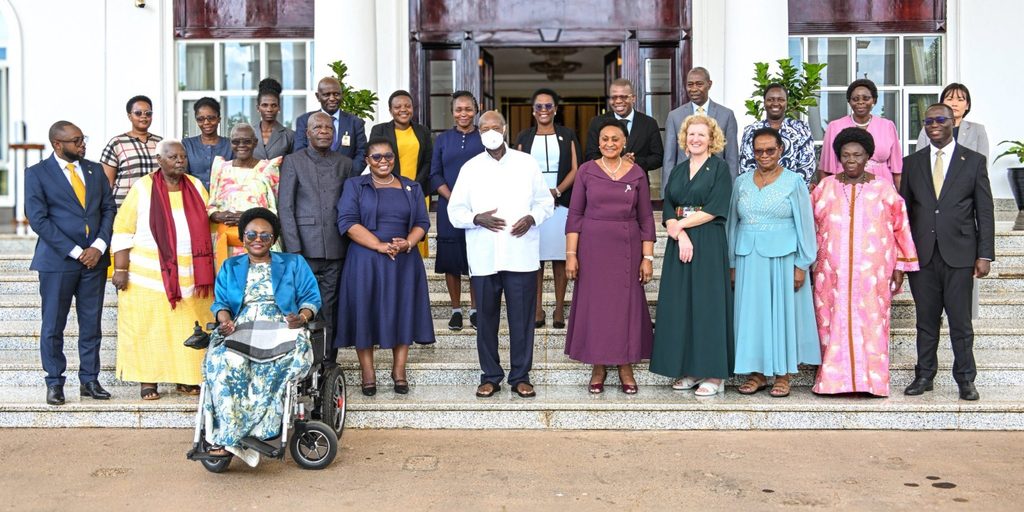
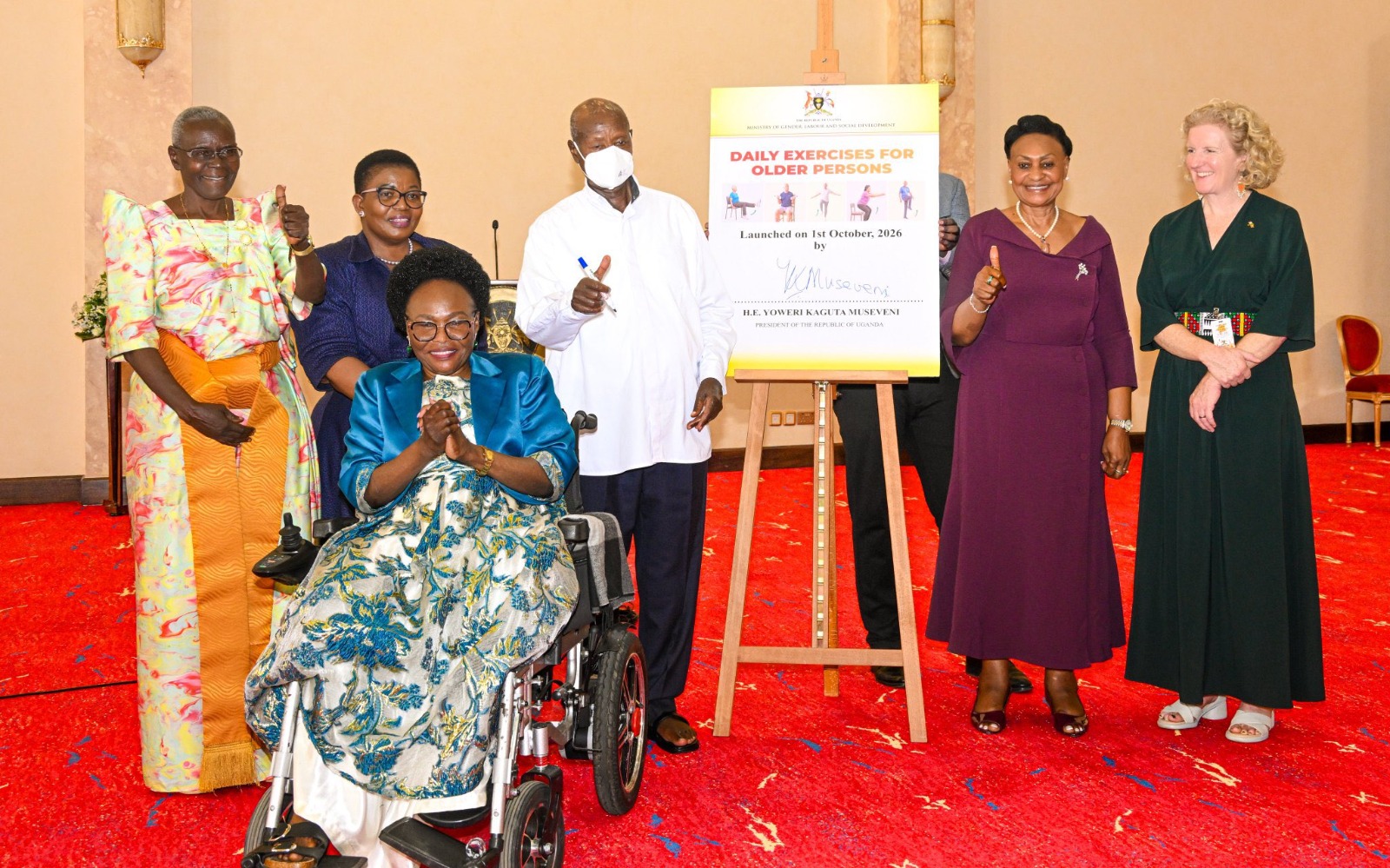
Museveni made the call on Thursday, October 1, 2026, while presiding over the national commemoration of the International Day of Older Persons at State House, Entebbe.
The celebrations were held under the theme “Ageing with Dignity: Strengthening Care and Support Systems,” highlighting the need for stronger social protection, healthcare and community support for Uganda’s growing population of older citizens.
Museveni urges wealth preservation
The President urged older persons to embrace modern methods of preserving and growing wealth, particularly through investments that can continue generating income even after retirement.
He encouraged the elderly to consider shareholding and other forms of investment, arguing that such approaches can provide a more sustainable source of income and help protect families from financial difficulties.
Museveni also called for greater financial inclusion of older persons, particularly those who have limited resources and may not have accumulated sufficient savings or assets during their working years.
He said government should ensure that economic empowerment programmes are adapted to the circumstances of older persons rather than treating them in the same way as younger beneficiaries.
PDM support for elderly
Museveni proposed that the Parish Development Model (PDM) be tailored to better serve older persons who lack the resources to participate effectively in economic activities.
The proposal comes as the PDM continues to serve as one of government’s major programmes for moving households from subsistence production into the money economy. Government says the programme had reached more than 3.57 million beneficiaries by September 2026, with Shs4.317 trillion capitalised through the Parish Revolving Fund.
The President’s proposal would give greater consideration to older persons who may be unable to access existing opportunities because of their age, limited capital, health challenges or lack of productive assets.
Government has already allocated a portion of PDM resources to older persons, although the Ministry responsible for older persons has reported that access remains limited.
Calls for specialised healthcare
Museveni also proposed strengthening specialised healthcare for the elderly, including the deployment of geriatric specialists closer to communities.
He called for a geriatrician in every district to ensure that older persons can receive consistent medical attention for health conditions associated with ageing.
The proposal comes amid concerns over the limited availability of specialised elderly healthcare in Uganda. Government officials have previously highlighted shortages of geriatric specialists and the high cost of healthcare faced by older persons.
According to government information presented ahead of the celebrations, Uganda has an estimated 2.6 million people aged 60 years and above, while specialist geriatric services remain limited. The government has also been exploring measures to strengthen healthcare and social protection for older citizens.
Growing demand for social protection
The President’s remarks come at a time when Uganda is facing increasing demand for programmes that provide income security and social assistance to older people.
Parliament was told on September 30 that Cabinet had approved a progressive reduction of the eligibility age for the Social Assistance Grants for Empowerment (SAGE) from 80 to 65 years. However, implementation of the expansion has been delayed because of a Shs252 billion funding gap in the 2026/2027 budget.
Under the existing SAGE programme, eligible older persons receive a monthly cash grant of Shs25,000. Government reported that 318,649 older persons received payments during the 2025/2026 financial year, while cumulative disbursements since the programme began had reached Shs971.98 billion for 515,405 beneficiaries.
Government is also implementing the Special Enterprise Grant for Older Persons (SEGOP), which supports groups of older persons undertaking productive and income-generating activities.
Older persons facing multiple challenges
The International Day celebrations also drew attention to the broader challenges facing Uganda’s elderly population.
Government officials have identified neglect, physical and emotional abuse, financial exploitation, land and property grabbing, abandonment and inadequate access to healthcare among the problems affecting older persons.
The Ministry responsible for older persons has also highlighted the heavy responsibilities carried by many elderly Ugandans. Census information indicates that a significant number of households are headed by older persons, many of whom continue to care for children and other dependants.
The African Commission on Human and Peoples’ Rights, marking the International Day of Older Persons on October 1, similarly called for stronger income security, age-responsive healthcare, rehabilitation and long-term care systems, while stressing that older persons should be recognised as rights-holders and active contributors to society.
Beyond government assistance
The discussions surrounding the celebrations emphasised that support for older persons should not be limited to government cash transfers.
Families and communities remain important sources of care, while health facilities, local governments, civil society, cultural and religious institutions and development partners all have roles to play in protecting older people and ensuring access to essential services.
Government has also emphasised the need to recognise older persons not merely as beneficiaries of assistance, but as farmers, professionals, entrepreneurs, caregivers, community leaders and custodians of knowledge and experience.
Museveni’s call for stronger financial and healthcare systems therefore places emphasis on both economic security and access to specialised care, as Uganda prepares for a growing elderly population.
The International Day of Older Persons is observed every year on October 1 to raise awareness about the rights, needs and contributions of older people and to promote policies that enable them to live with dignity and security. This year’s African regional observance has similarly called on governments to move beyond viewing ageing solely as a welfare issue and instead integrate older persons into national development, health and social protection planning.
For Uganda, the debate now centres on how existing programmes such as SAGE, SEGOP and the Parish Development Model can be strengthened and adapted to ensure that older persons—particularly those without adequate income, family support or access to healthcare—are not left behind.