KAMPALA. As learners report back to school for Second Term, the Ministry of Health has released Standard Operating Procedures (SOPs) to guide prevention and control measures against Ebola Virus Disease (EVD) in educational institutions during the current outbreak.
According to the circular, the SOPs are intended to support a safe learning environment while minimising the risk of Ebola transmission.
“Schools are environments where learners, teachers, support staff, parents and visitors interact closely, making them vulnerable to the spread of infectious diseases if preventive measures are not observed,” part of the statement reads.
The Ministry of Health explained that the SOPs provide practical measures for school administrators, teachers, learners, non-teaching staff, parents and visitors to ensure early detection, prevention and appropriate response to suspected Ebola cases within school settings.
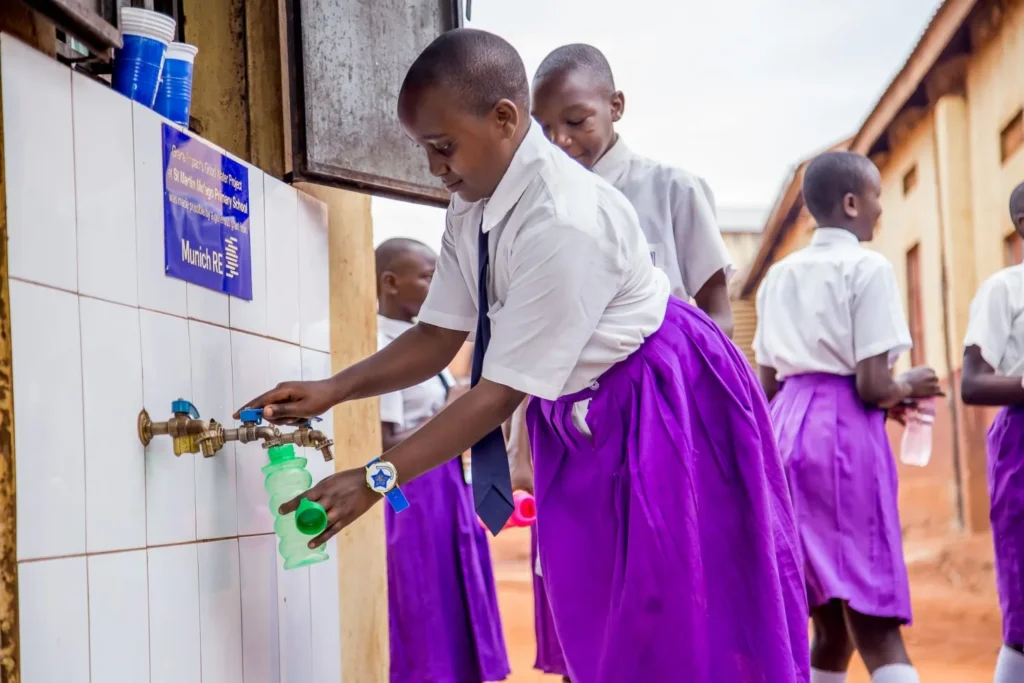
Under the guidelines, all schools have been directed to provide handwashing facilities with clean running water and soap at school entrances, classrooms, dormitories, dining areas, toilets and staff rooms, among others.
The Ministry also directed schools to enforce mandatory handwashing for all learners, staff and visitors upon entry and at regular intervals.
Other measures include establishing temperature screening points at school entrances, restricting entry for persons showing Ebola symptoms, regularly cleaning and disinfecting classrooms, dormitories, toilets, bathrooms, dining halls and school vehicles, as well as frequently touched surfaces.
Schools have also been advised to ensure proper waste management and disposal.
The Ministry discouraged handshakes, hugging and sharing of personal items, while urging schools to keep classrooms and dormitories well ventilated by opening windows and doors where possible.
Schools have further been advised to minimise non-essential gatherings and assemblies and suspend activities where necessary on the advice of the Ministry of Health or relevant authorities.
The Ministry also urged schools to designate isolation areas for suspected cases and ensure the availability of supplies such as soap, water, hand sanitisers and thermometers.
Schools are also expected to maintain updated contact information for nearby health facilities and district surveillance teams, while conducting regular sensitisation of learners and staff.
Health authorities advised that suspected Ebola cases should be reported immediately.
Where a learner or staff member develops Ebola-like symptoms, schools are required to isolate the suspect in the designated isolation area to minimise contact with others and notify the nearest health facility.
Staff attending to suspected cases have been advised to avoid direct contact with bodily fluids by using appropriate Personal Protective Equipment (PPE), such as gloves where available, and to disinfect all areas and surfaces the person may have come into contact with.
Boarding schools have been directed to conduct routine health monitoring of learners, avoid overcrowding in sleeping areas where possible, closely monitor learners returning from holidays or affected areas, and keep records of visitors and movements in and out of the school.
The Ministry further stressed that schools must avoid transporting visibly sick learners and should conduct routine monitoring for illness.
The World Health Organisation (WHO) declared an Ebola outbreak last week following the death of a Congolese national who had been receiving treatment for Ebola at Kibuli Hospital.
All people who came into contact with the patient have since been isolated for close monitoring.