By Nasser Kayanja
KAMPALA — The Equal Opportunities Commission (EOC) has appealed to the Government of Uganda, through the Ministry of Gender, Labour and Social Development, to reconsider the re-establishment of an independent National Children’s Authority to coordinate and strengthen child protection and welfare programmes.
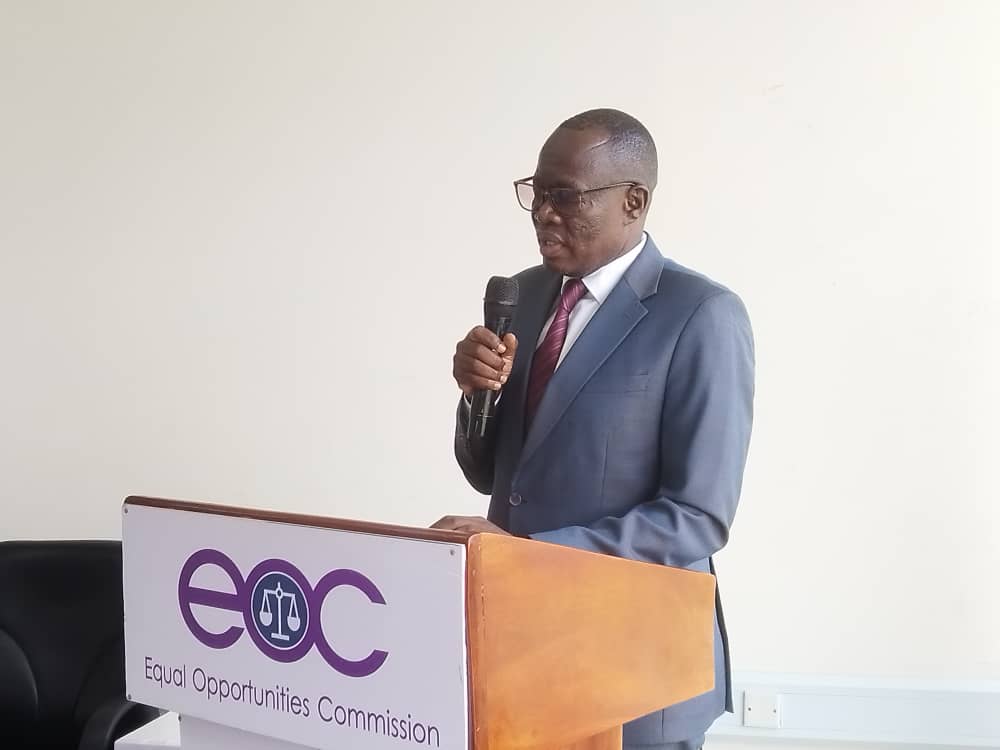
The call was made by the Secretary to the Commission, Shaft Nassar Mukwaya, during a policy dialogue on Equitably Investing in Uganda’s Children to Harness an Inclusive Demographic Dividend held at the EOC headquarters in Kampala.
Mukwaya argued that integrating children’s affairs under the broader youth and children department within the ministry has weakened attention to issues affecting children.
He said East African heads of state and the regional council of ministers had previously resolved that every member state should establish a national children’s authority to coordinate all actors working in the child sector.
“Children’s issues require focused attention. We need a strong institution dedicated specifically to their welfare and protection,” Mukwaya said.
He noted that children constitute about 51 percent of Uganda’s population, estimated at more than 22 million people, and therefore deserve priority in government planning and resource allocation.
“You cannot justify saving resources by merging an institution that serves the largest segment of the population. Children are the future of this country,” he added.
Mukwaya emphasized that Uganda has an obligation to uphold children’s rights, including the rights to birth registration, health care, education, equal opportunities and protection from abuse and exploitation.
He said the EOC has observed a gap in national institutional capacity to address children’s concerns comprehensively and warned that the Ministry of Gender is already handling many other national programmes.
The Commission also urged government to establish a legal framework regulating children’s use of social media and digital platforms. Mukwaya said unrestricted exposure to harmful online content has negatively affected children’s development and contributed to rising cases of teenage pregnancy and child marriage.
He further called for stronger laws targeting those responsible for teenage pregnancies, saying the growing trend requires urgent legal and policy intervention.
“The problem of teenage pregnancy is increasing, and government should formulate stronger laws to address it,” he said.
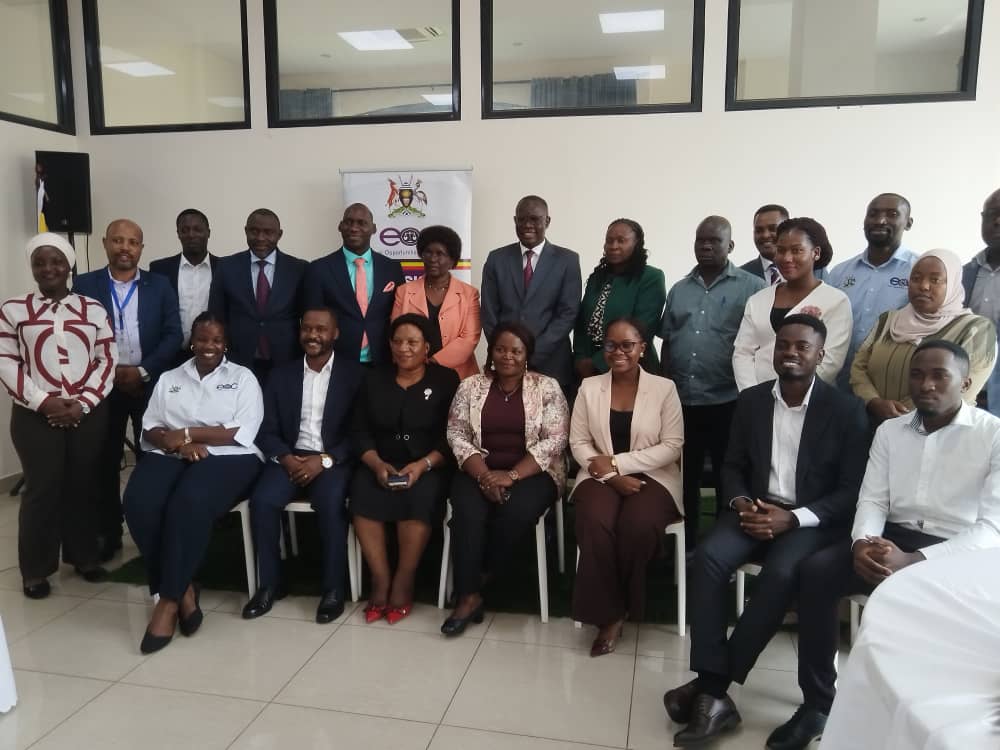
The dialogue brought together government ministries, development partners, civil society organisations and other stakeholders to discuss how Uganda can invest more equitably in children.
EOC Principal Research Officer Susan Atukunda said the key concern is not only the level of investment in children but whether those investments reach every child fairly.
“Our concern is whether government programmes are benefiting all children equitably, especially the most vulnerable,” Atukunda said.
Participants at the meeting also urged government to ensure that children’s needs are mainstreamed in national development initiatives such as the Parish Development Model (PDM) and Emyooga, arguing that child welfare should be considered in all social and economic programm